Food and beverage production puts constant pressure on end-of-line packaging equipment. Lines need to pack, stack, wrap, and move product without slowing production, damaging goods, or creating unnecessary labor demands. When machines no longer support the speed, consistency, or flexibility your operation needs, the entire line can feel the impact.
An upgrade does not always mean replacing every machine at once. In many facilities, the right move starts with identifying the weakest point in the line and deciding whether repair, retrofit, integration, or replacement will deliver the strongest return. Keep reading to understand when to upgrade your food end-of-line packaging machines.
Why End-of-Line Packaging Performance Matters
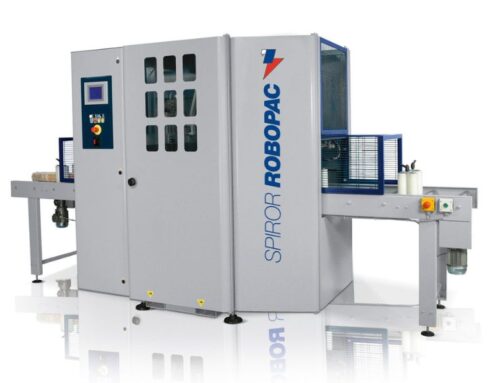
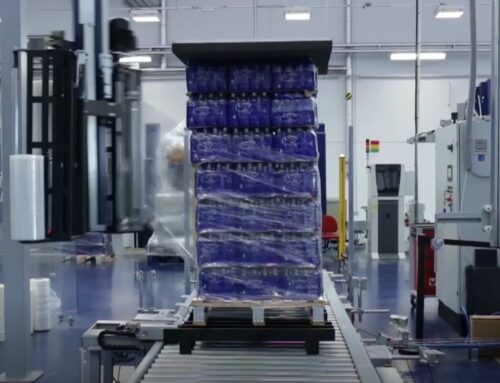
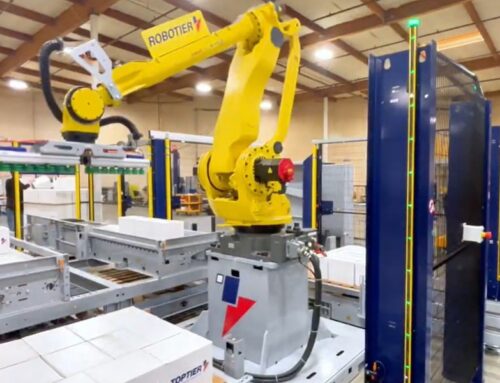
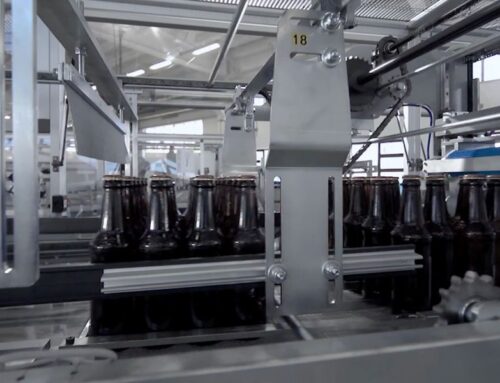
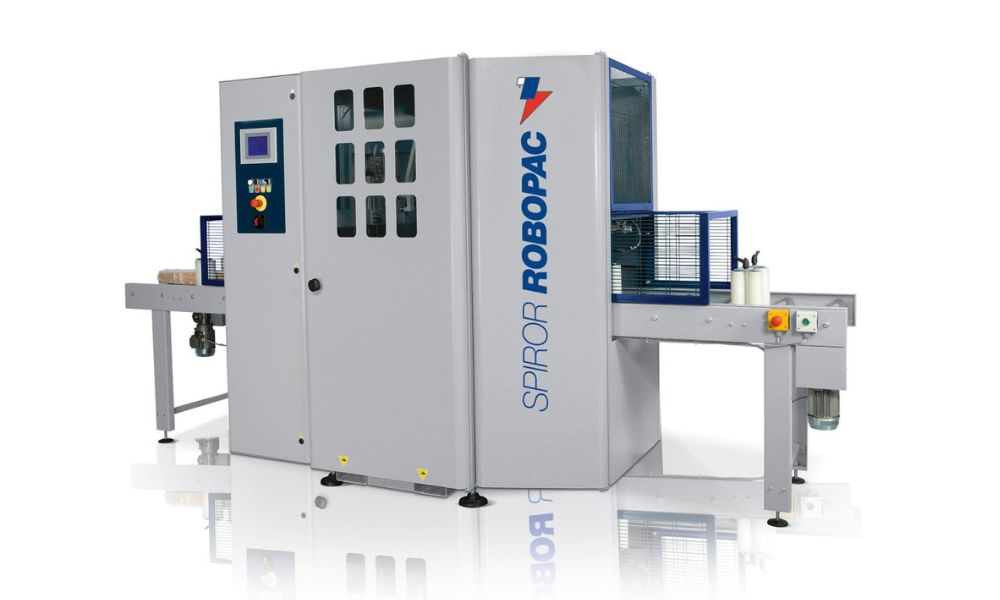
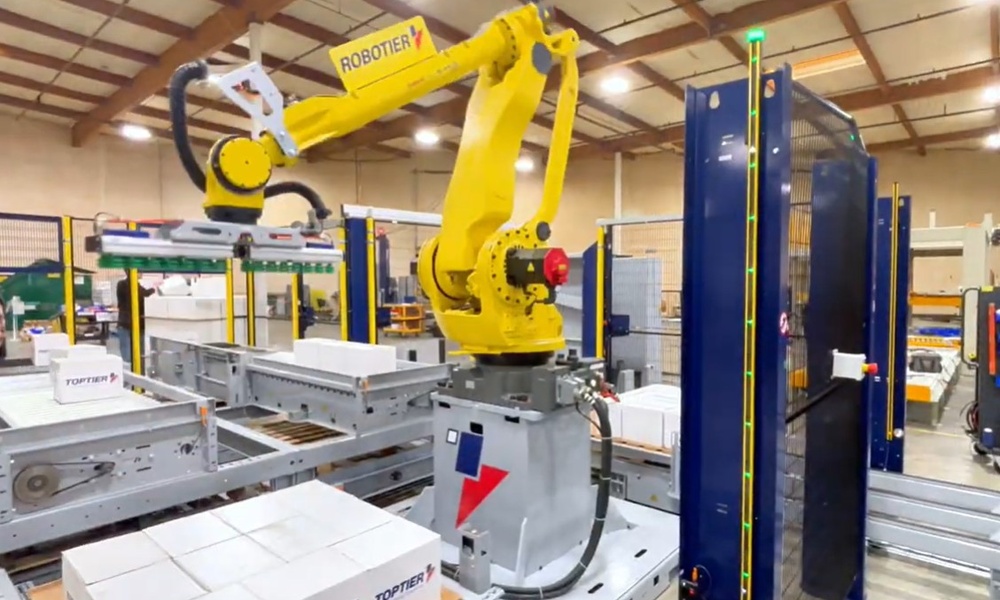
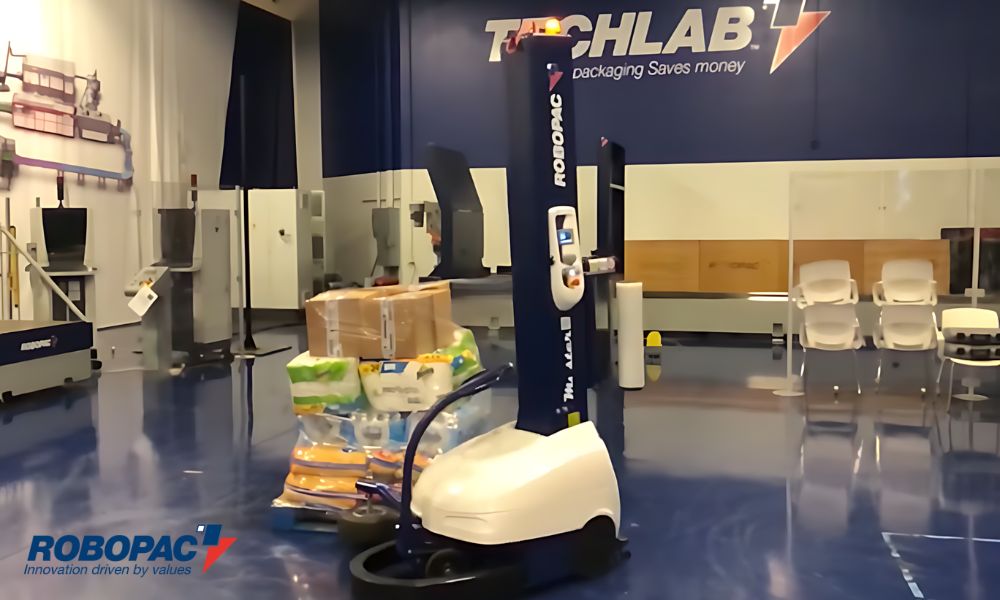
End-of-line packaging protects finished products after they leave primary production. Case packers, shrink wrappers, palletizers, stretch wrappers, conveyors, and related systems all play a role in preparing products for storage, distribution, and delivery. When those systems work well, they support product protection, load stability, throughput, and consistent presentation.
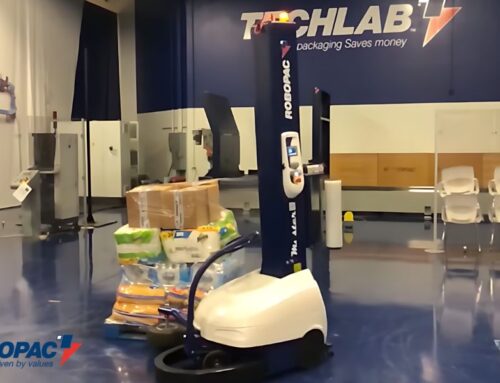
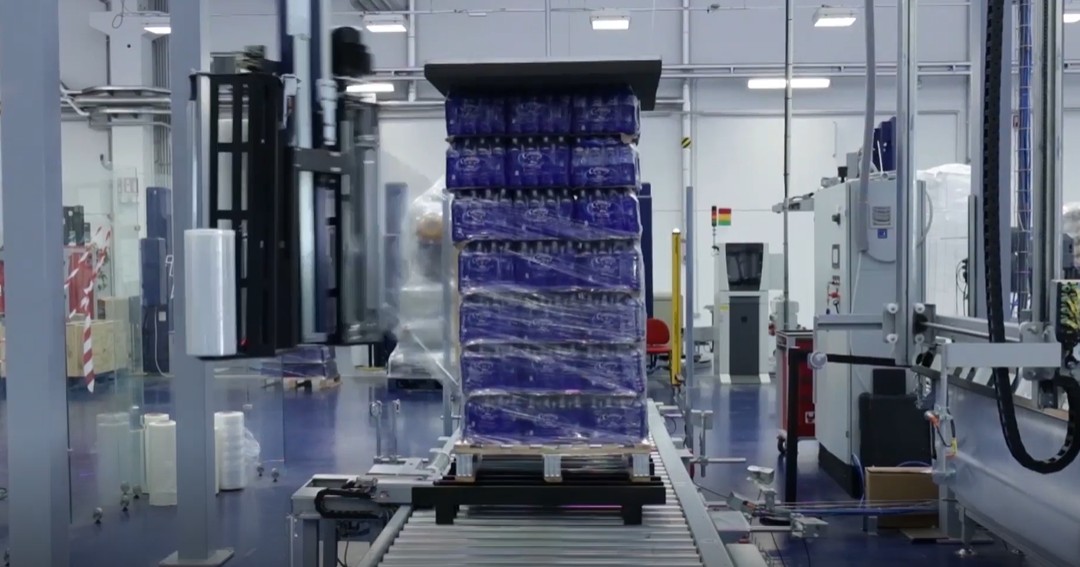
When food and beverage packaging machinery falls behind production demands, problems can spread quickly. A case packer that struggles with changeovers can delay downstream palletizing. A palletizer that stacks inconsistently can create unstable loads. A stretch wrapper that applies film poorly can increase damage risks during handling and transit.
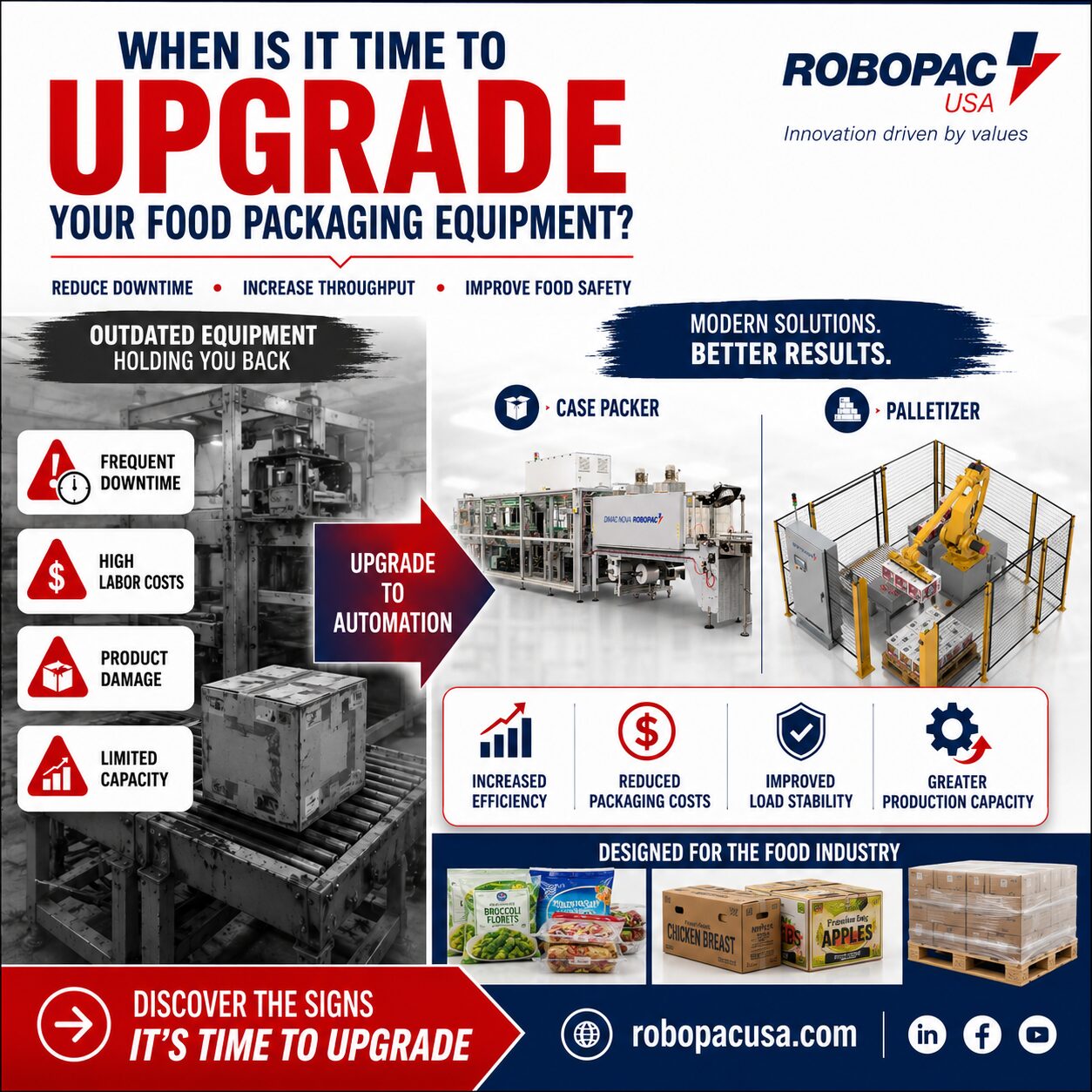
Excessive Downtime Signals a Larger Problem
Every packaging line needs planned maintenance, but unplanned downtime can indicate that equipment has reached a turning point. Older machines may require more frequent adjustments, replacement parts, and technician attention. At first, those issues may seem manageable, but small interruptions can eventually turn into repeated delays that disrupt production schedules.
Downtime also affects the people who run the line. Operators may spend more time clearing jams, restarting equipment, or compensating for inconsistent performance. Maintenance teams may need to prioritize the same machine repeatedly, pulling attention away from other critical equipment. When one machine consumes a growing share of maintenance resources, an upgrade may cost less than continued disruption.
Maintenance Costs Keep Rising
Maintenance costs can reveal when it’s time to upgrade your food end-of-line packaging machines. As equipment ages, wear parts may need replacement more frequently. Components may become harder to source. Technicians may spend more time troubleshooting electrical, mechanical, or control issues that were once rare.
A single repair may not justify an upgrade, but a pattern should raise concern. If annual maintenance spending continues to climb, the machine may no longer provide the cost efficiency the operation needs. Managers should compare repair history, parts availability, labor hours, and downtime costs against the expected performance of newer equipment.
Changeovers Take Too Long
Food operations commonly handle multiple SKUs, package sizes, case configurations, pallet patterns, or film requirements. If equipment takes too long to adjust between runs, it can limit production flexibility. Long changeovers reduce available production time and create pressure on operators during busy schedules.
Older end-of-line equipment may depend on manual adjustments, specialized tools, or time-consuming setup steps. These requirements can create inconsistencies from one operator to another. Even experienced teams can lose valuable time when they need to fine-tune settings repeatedly before the line returns to full speed.
Production Demand Outgrows Existing Equipment
A packaging line that worked well five years ago may no longer match current production needs. Sales growth, new distribution channels, expanded product lines, and seasonal peaks can push equipment beyond its intended capacity. When machines run near their limit for long periods, reliability and output can suffer.
Operators may notice that upstream production can move faster than the end-of-line equipment can handle. Cases may back up before palletizing. Wrapped pallets may wait for staging. These signs show that the end of the line has become the bottleneck.
Labor Demands Become Harder to Manage
Packaging lines that depend heavily on manual work can become difficult to staff, especially during peak production periods. Hand stacking, manual wrapping, repeated lifting, and constant machine adjustments can increase fatigue and reduce consistency. Labor shortages can make those challenges even more difficult to manage.
Automation can help food manufacturers use their teams more effectively. Instead of assigning employees to repetitive, physically demanding tasks, facilities can move workers into higher-value roles that support quality, supervision, maintenance, and production control.
Product Damage and Load Instability Increase
Finished food and beverage products need secure packaging before they enter storage or distribution. If cases crush, pallets lean, shrink bundles loosen, or loads shift during handling, the end-of-line process needs attention. Product damage can create waste, rework, delivery issues, and customer complaints.
Load instability can come from several sources. A palletizer may place cases inaccurately, a wrapper may apply the wrong film force, or a conveyor transfer may disturb product alignment. If teams keep correcting the same stability issue, the equipment may no longer provide the control the application requires.
Safety Concerns Become More Visible
Aging packaging equipment can create safety concerns when operators need to reach, lift, bend, or intervene more than they should. Frequent jams, awkward changeovers, poor access points, and manual adjustments can increase risk during normal production. Even when teams follow proper procedures, outdated equipment can make safe work harder.
Modern packaging systems can improve operator access, reduce manual lifting, and support safer interaction with the line. Guarding, controls, access points, and ergonomic design all matter when employees work around equipment throughout a shift.
Food Packaging Requirements Change
Food packaging operations need equipment that supports consistency, cleanliness, product protection, and traceability needs. As packaging formats, customer requirements, and internal quality standards evolve, older machines may struggle to keep up. Equipment that lacks precision or flexibility can make it harder to maintain consistent results.
New package styles can also expose limitations. A facility may add variety packs, lighter containers, new case sizes, different pallet patterns, or higher output expectations. If existing machinery cannot adjust cleanly to these changes, teams may rely on manual intervention or slower line speeds.
Integration Problems Slow the Line
End-of-line performance depends on how well machines work together. A strong individual machine can still create problems if it does not integrate well with conveyors, controls, upstream equipment, or downstream handling. Poor communication between systems can cause backups, timing issues, and unnecessary stops.
Older machines may not offer the control features or connectivity that modern lines need. This can make it harder to monitor performance, diagnose issues, or coordinate equipment across the line. When teams lack visibility, they may rely on guesswork instead of clear production data.
How To Plan an Equipment Upgrade
The best upgrade decisions start with a clear assessment. Manufacturers should review downtime records, maintenance costs, labor requirements, changeover times, product damage, safety concerns, and production forecasts. This helps the team identify whether the issue comes from one machine, multiple machines, layout constraints, or process gaps.
A phased upgrade can reduce disruption. Some facilities may start with the machine that causes the most downtime. Others may prioritize the equipment that limits throughput or creates the highest labor burden. This approach helps operations improve performance while maintaining production continuity.
Upgrade Before Equipment Holds Production Back
Food end-of-line packaging machines should support reliable output, consistent load quality, safe operation, and efficient labor use. When downtime rises, changeovers slow production, maintenance costs climb, or equipment cannot keep pace with demand, an upgrade may deliver more value than continued repairs. To evaluate end-of-line packaging solutions for your facility, contact Robopac USA and request a quote today.