Beverage plants run on speed, consistency, and tight control. A palletizing system must keep pace with production while protecting cans, bottles, cartons, and trays from damage at the end of the line. In this environment, palletizing directly shapes throughput, labor efficiency, load stability, and shipment quality. Keep reading to understand how to navigate the unique palletizing needs of beverage plants.
Beverage Lines Demand More from End-Of-Line Equipment
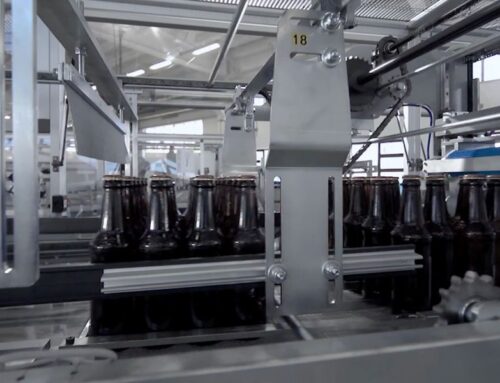
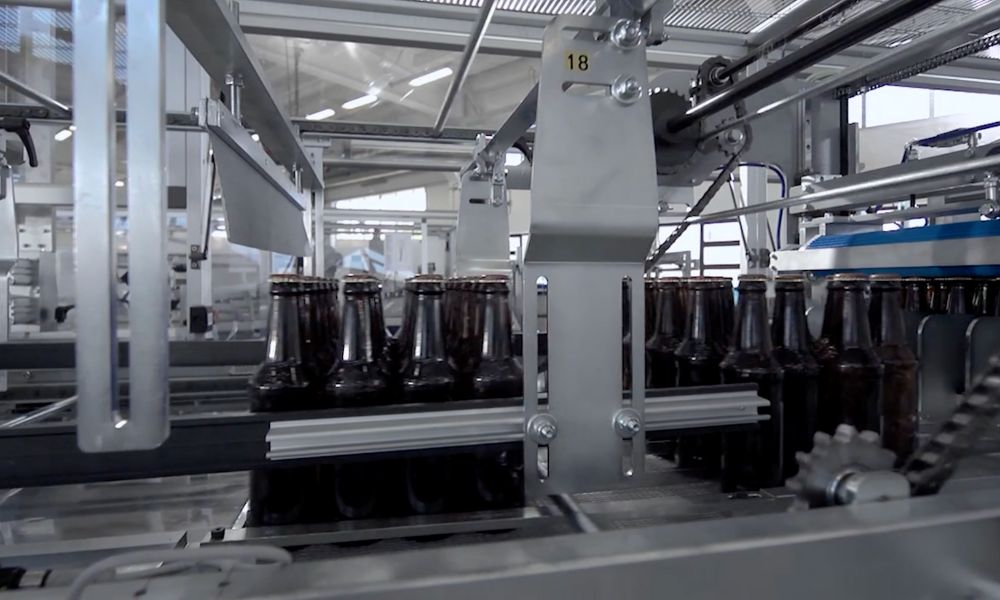
Beverage operations present a unique mix of challenges. Plants may run glass, PET, cans, multipacks, shrink bundles, and corrugated cases on the same floor. Line speeds can be high, production windows can be tight, and even minor disruptions can create backups that affect the entire facility.
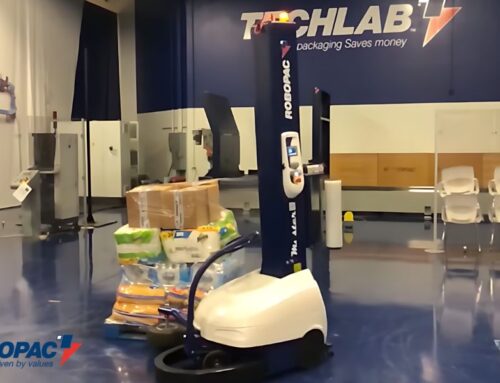
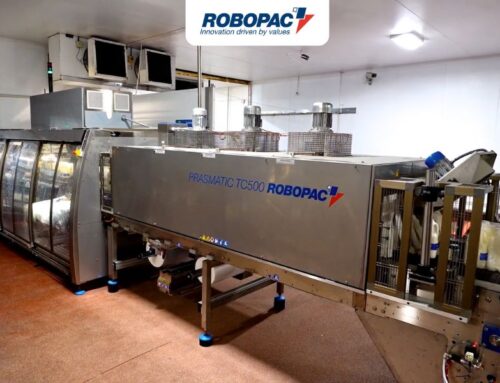
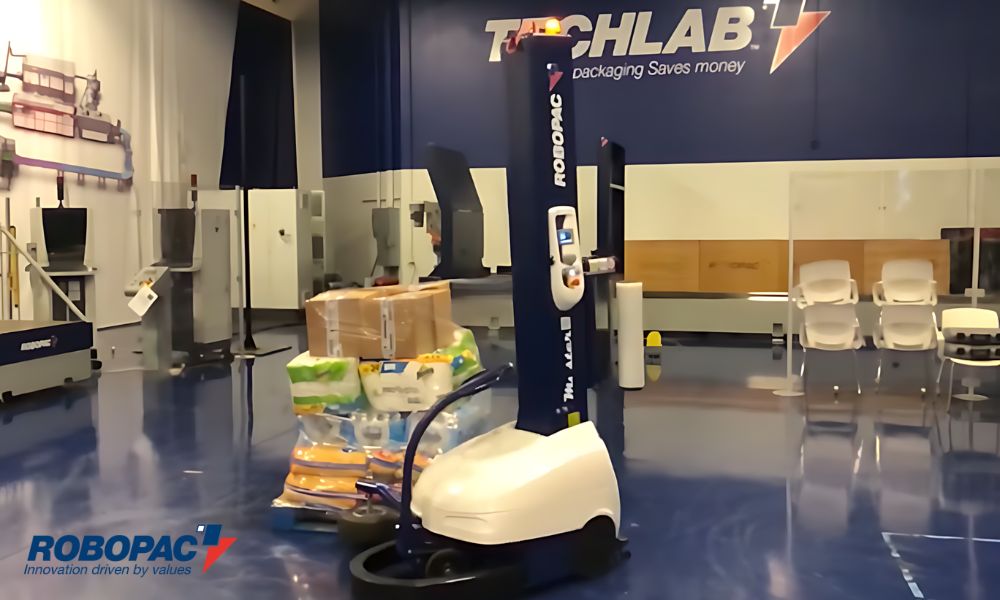
That is why palletizer selection requires more than checking a speed rating. Beverage plants need equipment that matches the product format, supports the desired pallet pattern, and maintains control as loads move toward storage or distribution. The right system also needs to work smoothly with upstream case packing and wrapping equipment, especially when the line handles mixed SKUs or changing package dimensions.
Protecting Product While Maintaining Throughput
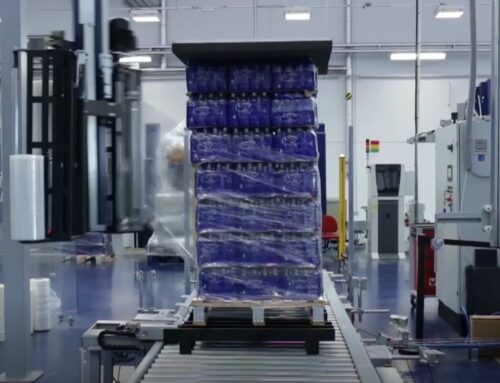
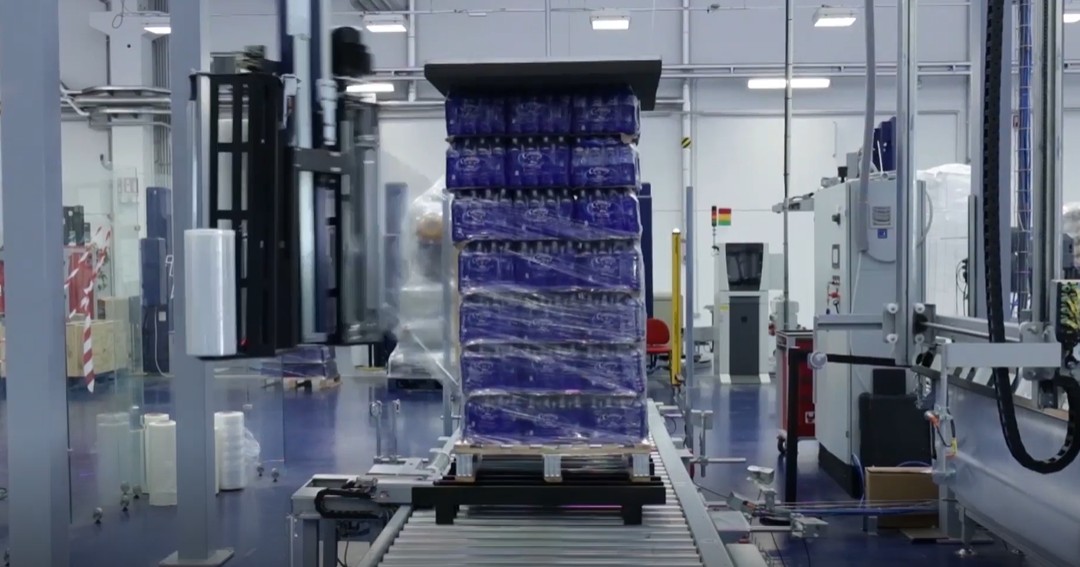
A beverage pallet is only valuable if it arrives intact. Glass containers raise the stakes because breakage can create safety risks, downtime, and waste product. Lightweight bottles and cans create a different challenge, since unstable loads can shift during transport without sufficient control of the pallet pattern or load handling process.
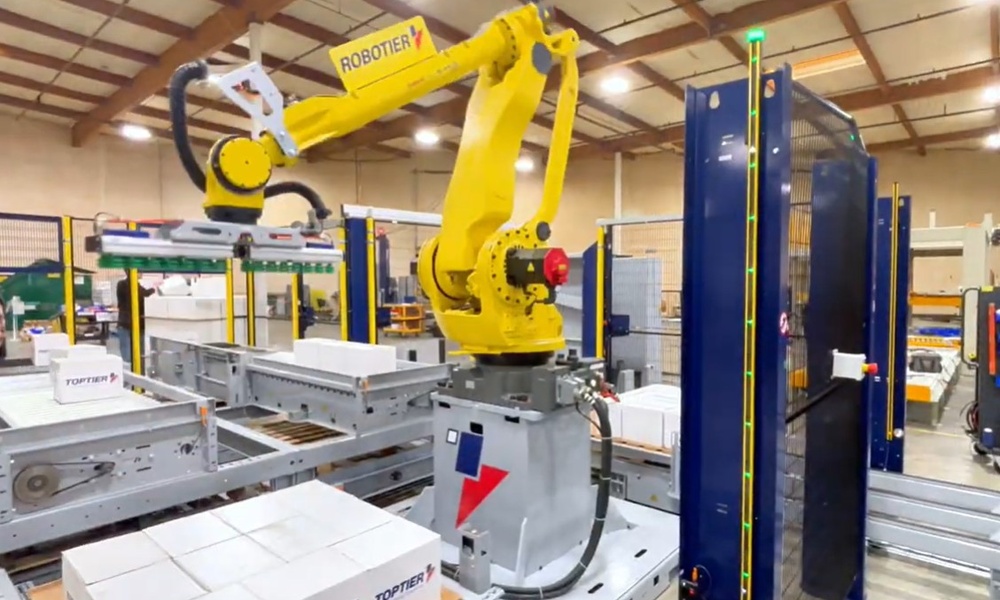
Modern palletizing systems solve this by combining speed with repeatable movement. In beverage applications, automated palletizing and depalletizing systems support high case rates that manual processes cannot match, while also helping maintain product control during transfer and stacking.
Labor, Safety, and System Reliability
Manual palletizing puts pressure on both people and production. Repetitive lifting, bending, turning, and load handling increase physical strain, especially in beverage operations where cases can be heavy, and line output stays steady for long runs. Safety and staffing are two of the biggest reasons that beverage palletizing plants move toward automation, with robotic systems reducing heavy manual handling and supporting more dependable production coverage.
For plant managers, that matters because labor shortages and turnover can disrupt shipping performance just as quickly as equipment downtime. Automated palletizing helps create a more stable process, which gives teams more control over scheduling, staffing, and output. It also allows employees to shift into roles that support quality, line oversight, and maintenance instead of constant manual stacking.
Why the Right Fit Matters
The difficulty of navigating the unique palletizing needs of beverage plants is that no two beverage plants share the same requirements. A line running canned soft drinks has very different demands than a facility handling bottled water, beer, or glass containers. That is why food packaging machines must fit the real operating conditions of the specific plant. Layout, product mix, target speed, pallet pattern, and downstream handling all influence the right answer.
Conclusion: Building a Smarter Palletizing Strategy
Beverage plants need palletizing systems to navigate their unique requirements of protecting product, supporting high line speeds, reducing manual strain, and creating stable loads for storage and shipment. The right solution matches the plant’s package types, production goals, floor space, and end-of-line workflow instead of relying on a one-size-fits-all approach. To find the right palletizing solution for your operation, contact Robopac USA and speak with a team that understands the demands of beverage packaging.