High-volume fulfillment leaves very little room for delay. When order counts rise, small inefficiencies can spread across the line and cut into output, labor capacity, and on-time performance. Companies that stay competitive build systems that support speed, consistency, and load stability from the start. Keep reading to learn how to stay competitive in high-volume fulfillment markets by reducing downtime, choosing the right equipment, and more.
Throughput Matters More Than Peak Effort
Many fulfillment operations try to stay competitive by pushing people and equipment harder during busy periods. That approach creates strain, increases inconsistency, and makes downtime more expensive. A better strategy starts with matching equipment capacity to real production goals and expected growth.
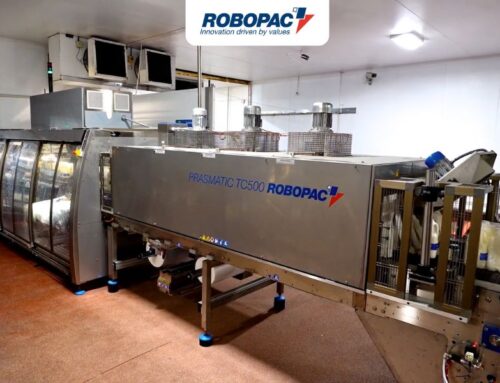
The right end-of-line setup helps operations keep loads moving without bottlenecks. Robopac USA serves manufacturers and distribution environments that need configurable packaging equipment, reliable support, and technology that protects products in transit. We provide solutions that meet exact customer needs across speed levels and applications.
Build Speed into the End of the Line
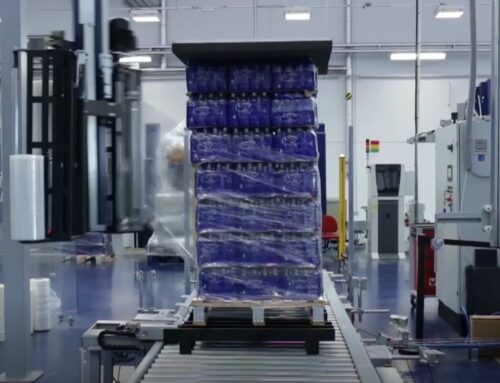
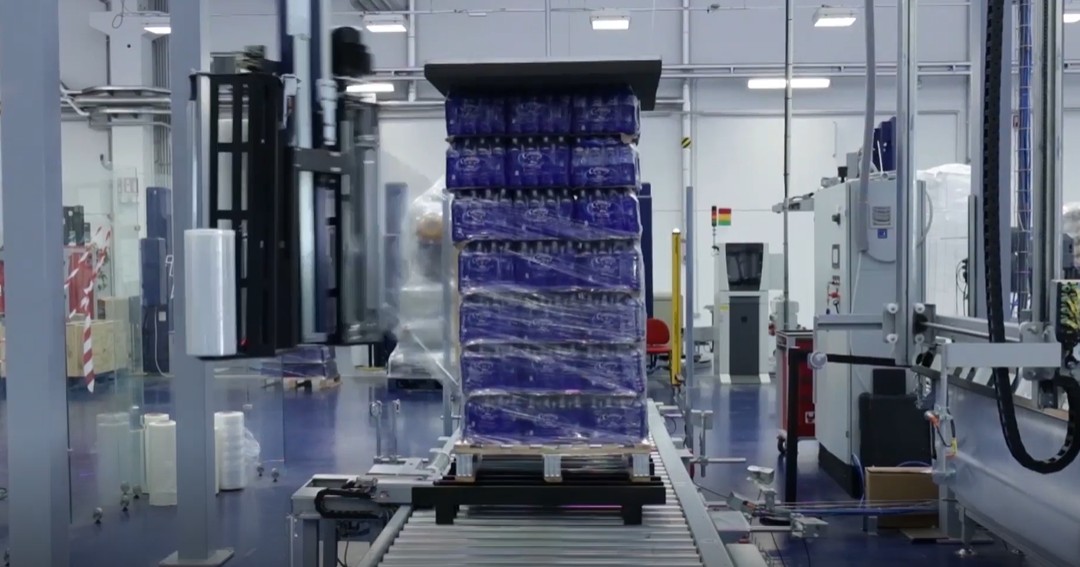
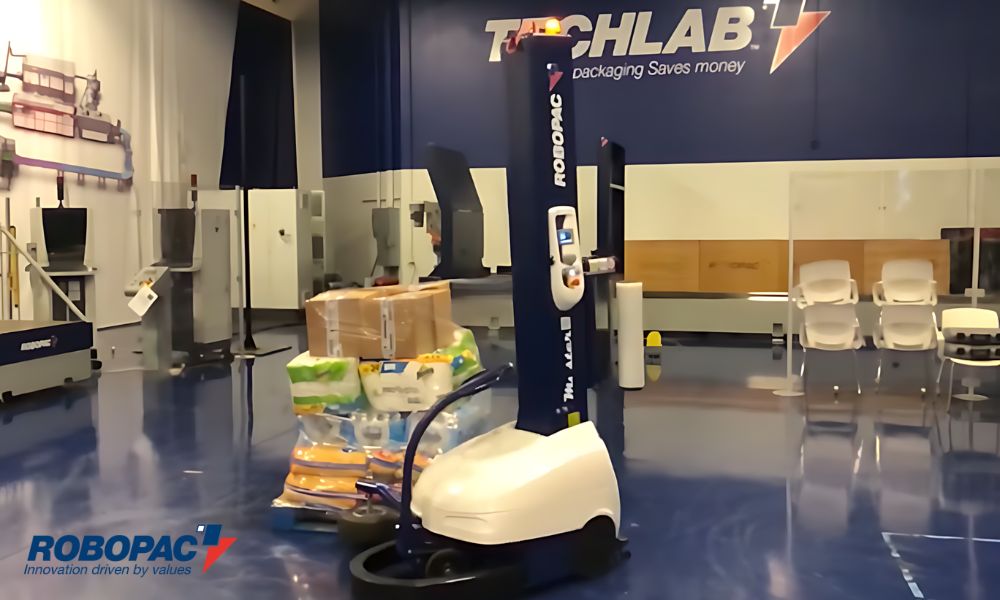
In high-volume markets, the end of the line can determine whether a facility keeps pace or falls behind. Industrial stretch wrap machines support competitiveness by securing outbound loads quickly and consistently, which helps reduce damage, limit rework, and maintain shipping flow. When wrapping becomes more predictable, the rest of the fulfillment process gains stability.
Speed alone does not solve the problem, though. Operations also need dependable performance across shifts, product changes, and fluctuating order volume. Equipment should support repeatable wrapping patterns, strong load containment, and the flexibility to handle different SKUs without creating long pauses between runs.
Reduce Downtime Before It Starts
Another way to stay competitive in high-volume fulfillment markets is to reduce downtime as much as possible. Unplanned downtime can erase the gains made by a faster line. Competitive facilities look closely at the weak points that stop production, such as manual film changes, inconsistent wrap quality, or equipment that cannot keep up with daily demand. Fixing those issues at the equipment level protects output far better than relying on constant operator intervention.
Choose Equipment That Supports Growth
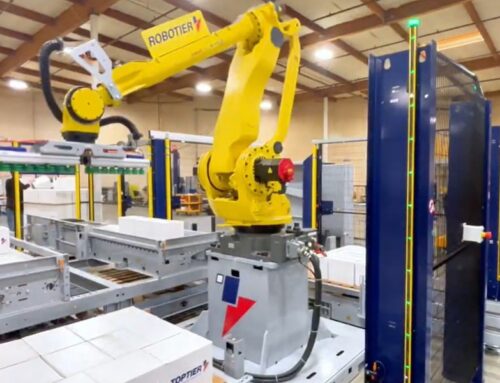
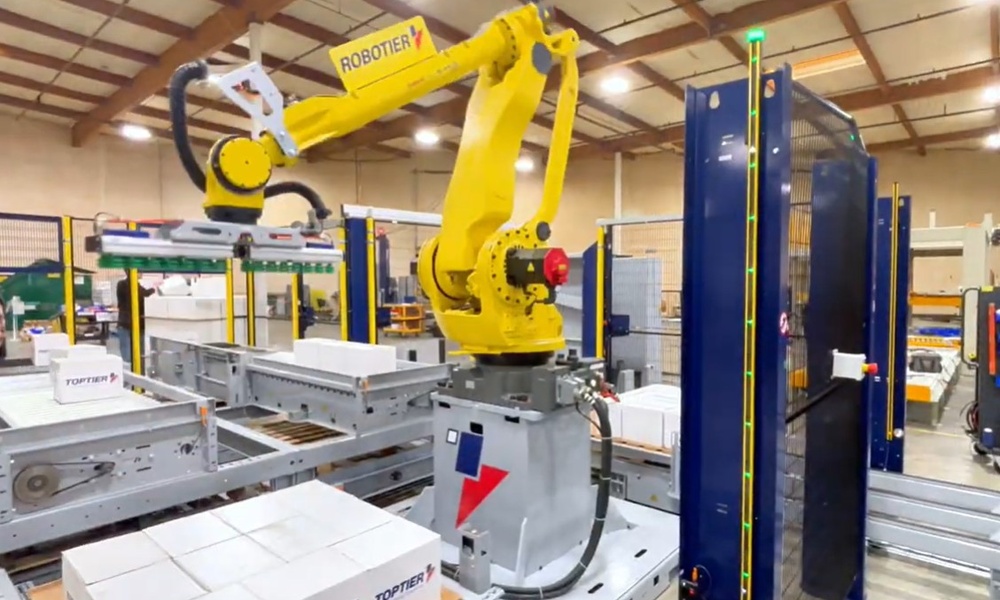
A competitive operation does not buy only for current volume. It invests in equipment that can support rising throughput, changing packaging needs, and future process improvements. That may include more automation, better film control, and line integration that removes handoff delays.
This approach also gives teams more confidence during seasonal surges or customer growth. Instead of scrambling to keep pace, they work from a process that can handle pressure. That kind of readiness supports stronger service levels and a better customer experience.
Turn Packaging into a Competitive Advantage
Fulfillment leaders stay competitive when they treat packaging as a performance driver, not just a final task. A well-designed end-of-line system protects products, supports faster movement, and helps teams ship with fewer interruptions. In a high-volume market, those gains can shape margins and customer retention.
Robopac USA is a one-stop source for secondary packaging equipment, training, and service, with technology that keeps lines moving and protects loads. If you need help staying competitive in your market, contact Robopac USA today.