Seasonal demand can put intense pressure on a packaging line. Beverage manufacturers may see order volumes rise quickly before summer, holidays, promotional launches, or regional sales spikes.
A strong seasonal strategy does not always require a full line replacement. Many facilities can improve performance by reviewing capacity, reducing bottlenecks, and choosing packaging equipment that supports both everyday production and peak-season surges. Keep reading to understand how packaging lines can adapt to seasonal demand peaks.
Understand Where Seasonal Pressure Starts
Seasonal peaks rarely affect every part of a production process in the same way. One area may keep up easily while another creates a backlog. For beverage operations, the pressure commonly appears around case packing, shrink bundling, palletizing, stretch wrapping, labeling, material handling, or outbound staging.
Start by looking at actual production data from previous high-volume periods. Daily output, downtime, changeover time, rework, labor availability, and shipping delays can show past struggles for the line. These details help teams focus on the right improvements instead of guessing where to invest.
Compare Average Output to Peak Demand
Average production numbers can hide the real challenge. A line may look efficient over a full month but still fall behind on the highest-volume days. Seasonal planning should focus on the moments when orders, labor, materials, and shipping deadlines all peak at the same time.
Beverage manufacturers should compare normal output against required peak output by shift, day, and product type. This approach gives teams a clearer view of how many cases, trays, bundles, or palletized loads they must handle during the busiest windows.
Improve Current Line Performance First
Before adding new machinery, teams should make sure the current line runs as efficiently as possible. Preventive maintenance, operator training, spare parts planning, and clearer workflows can make a measurable difference before seasonal volume arrives.
Facilities should also review how products move through the line. Long operator walks, poorly placed materials, slow staging areas, and manual handling steps can reduce throughput even when the main equipment works properly.
Reduce Changeover Delays
Seasonal demand may involve multiple package sizes, promotional formats, variety packs, or retail-specific configurations. Each changeover can slow the line if operators lack clear procedures or if equipment takes too long to adjust. Beverage operations can reduce downtime by standardizing setup steps, preparing materials in advance, and training operators before the rush begins.
Flexible packaging equipment can also help teams manage frequent changes. Equipment that supports adjustable formats, repeatable settings, and consistent wrapping or packing patterns helps operators move from one production run to the next with less disruption.
Build Flexibility into End-Of-Line Packaging
End-of-line packaging plays a major role in how packaging lines adapt to seasonal demand peaks. Beverage products must move from primary packaging into cases, trays, bundles, pallets, and wrapped loads quickly enough to keep production moving. If this stage slows down, the finished product can accumulate upstream, and shipping can fall behind.
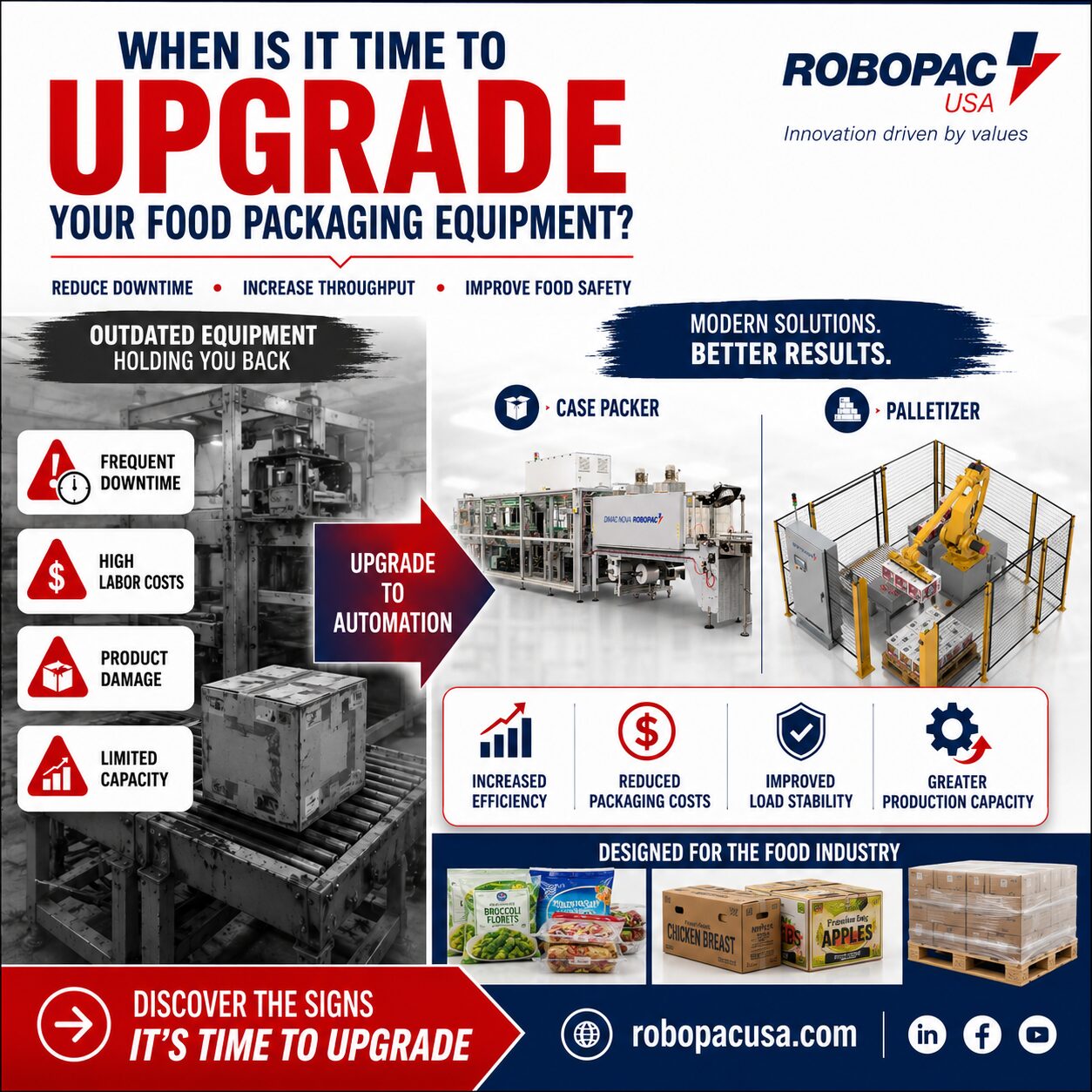
A flexible end-of-line setup gives manufacturers more control during peak demand. Case packers, shrink bundlers, palletizers, depalletizers, stretch wrappers, and automated material handling systems can work together to improve consistency and reduce manual strain. When teams match the right equipment to the right application, they can increase throughput while maintaining load integrity.
Match Equipment to the Product and Pack Format
Different beverage products create different packaging demands. Bottled water, canned drinks, glass bottles, dairy beverages, juices, and multipacks may require different handling, grouping, wrapping, or palletizing approaches. The beverage packaging equipment should support the product’s size, weight, stability, and packaging format.
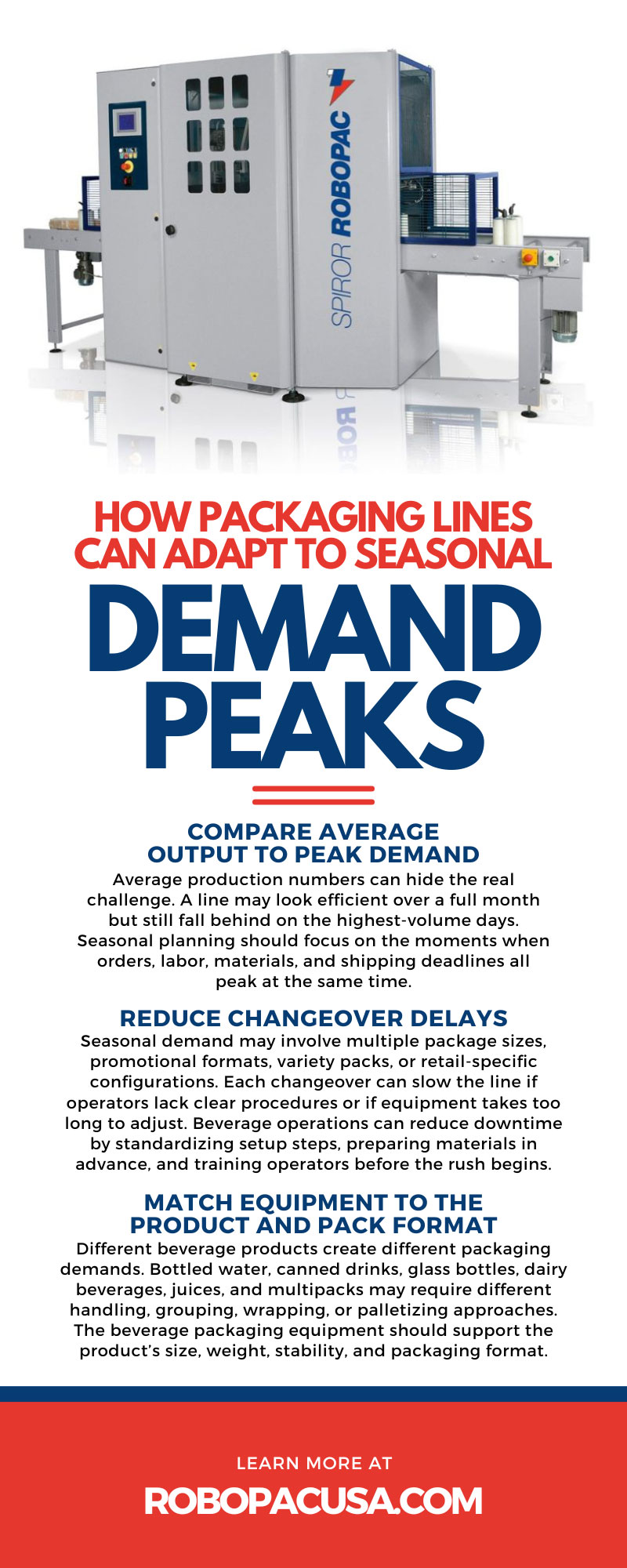
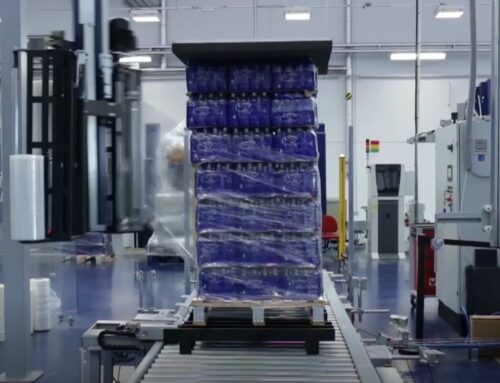
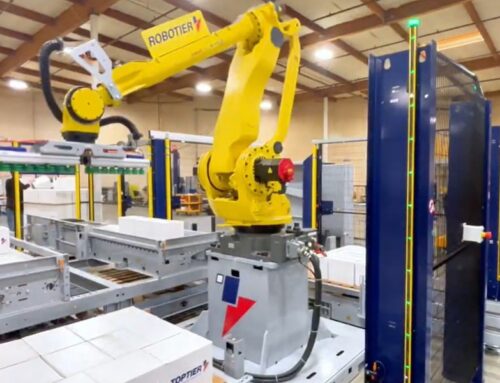
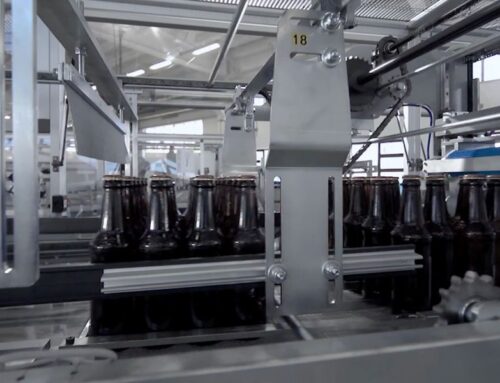
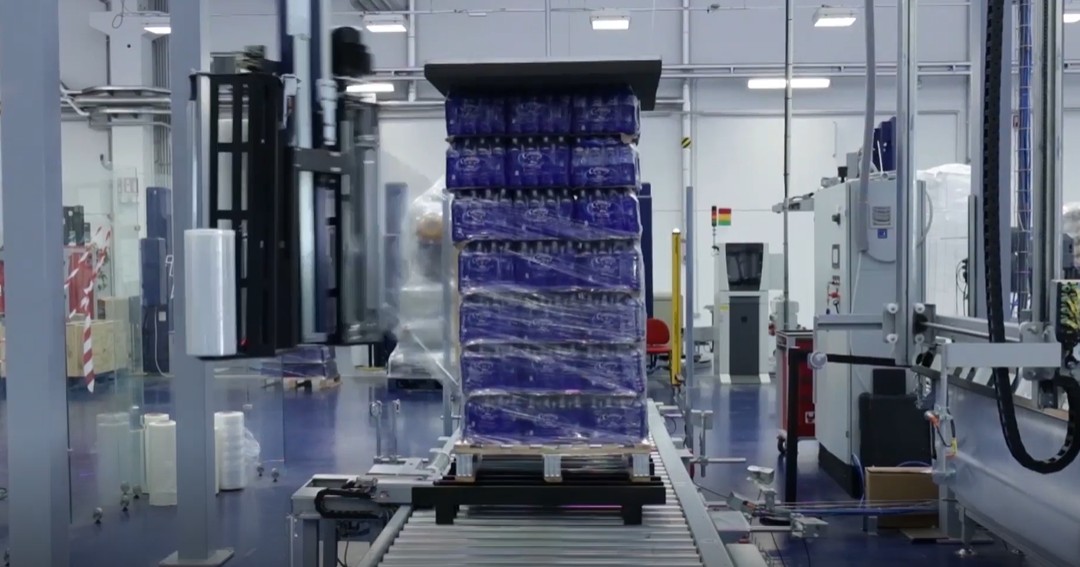
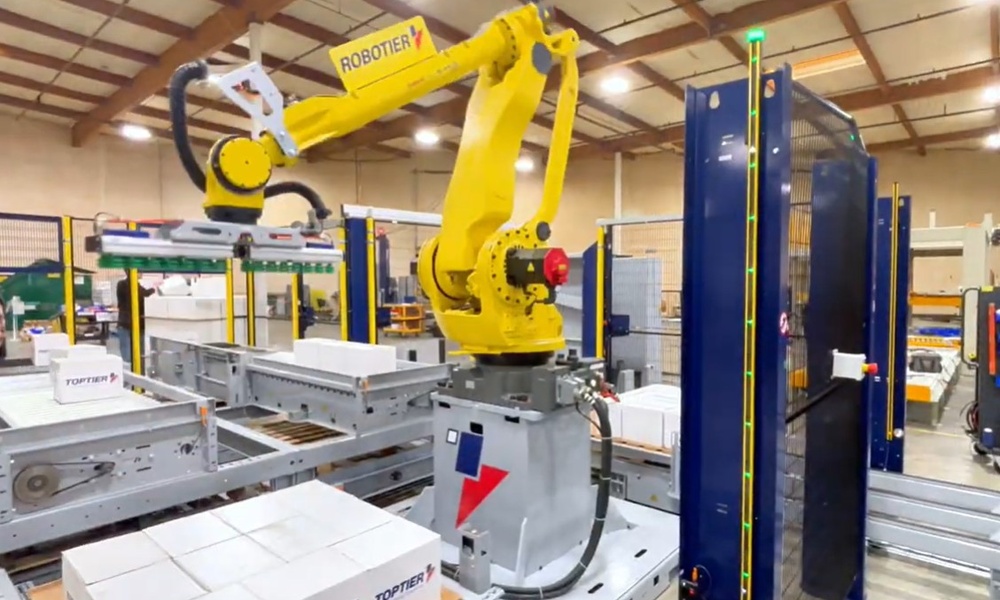
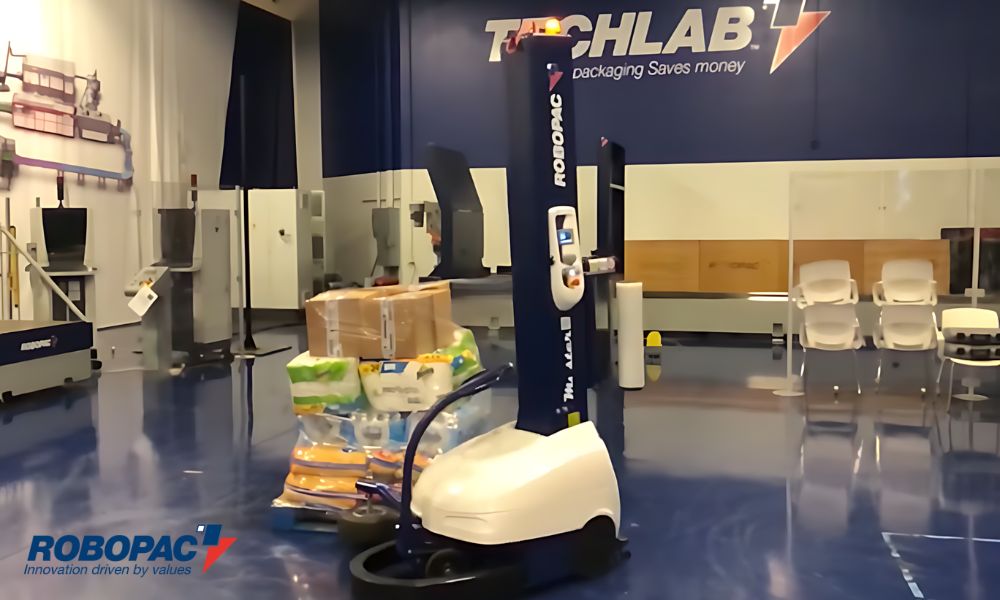
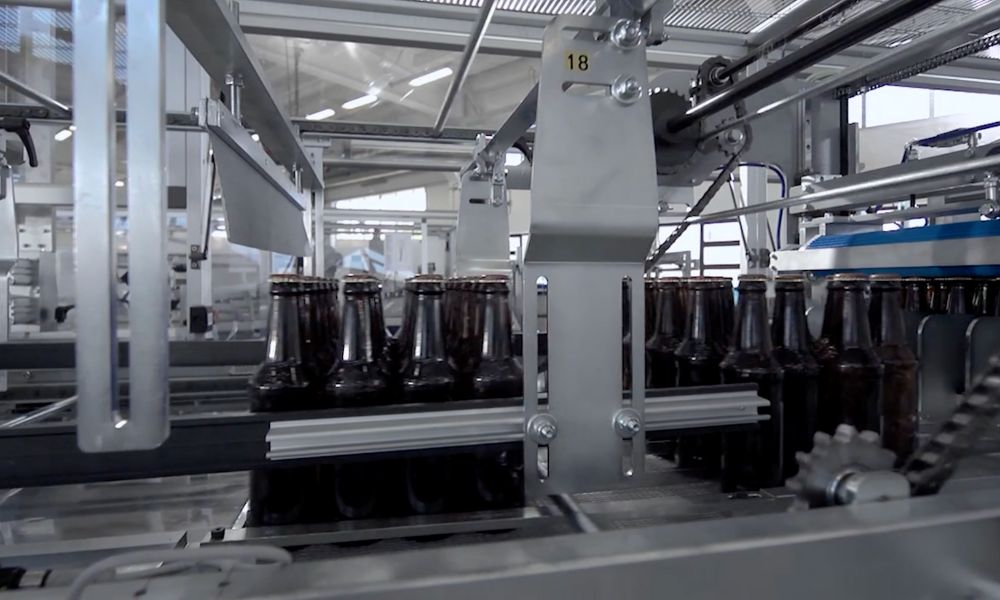
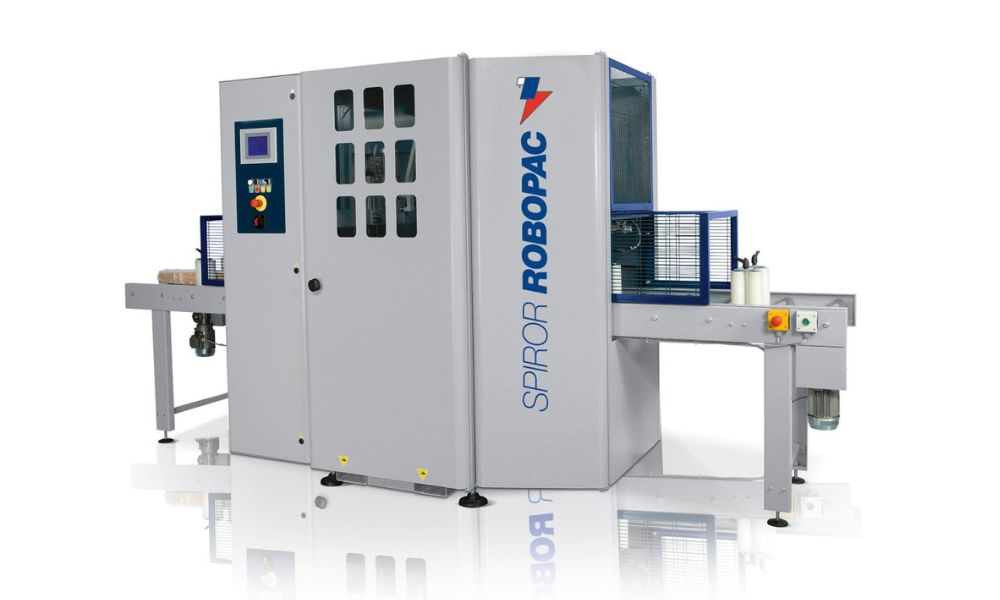
For example, shrink bundling can help group beverage containers for retail or distribution, while stretch wrapping helps secure palletized loads for transport. Palletizers can improve consistency when stacking cases or trays, and laser-guided vehicles can support smoother movement between production, storage, and shipping areas.
Use Automation To Protect Throughput
Seasonal peaks can stretch labor resources. Even when a facility hires temporary workers, training and supervision take time. Automation can reduce the number of repetitive manual tasks that slow production or create inconsistencies during high-volume periods. Automated stretch wrapping, palletizing, case packing, and material handling can help facilities maintain steady output across shifts.
Start With the Biggest Bottleneck
Automation works best when it solves a clear problem. A facility may not need to automate every step at once. Instead, teams should identify the bottleneck that creates the greatest impact during seasonal peaks.
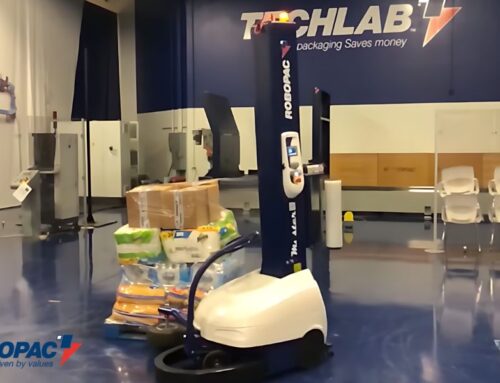
If operators struggle to keep up with pallet wrapping, an automatic stretch wrapper may improve flow. If manual stacking slows the line, a palletizing solution may create a stronger return. If product movement creates delays, automated vehicles or improved conveyors may help connect production and shipping.
Plan Materials Before Volume Surges
Packaging equipment cannot perform well without the right materials available at the right time. Film, trays, cases, labels, corner protection, pallets, and spare parts all affect line reliability. Seasonal demand can quickly expose weak points in purchasing and inventory planning.
Manufacturers should review material usage by product type and production volume. They should also confirm supplier lead times, storage limitations, reorder points, and delivery schedules before demand increases.
Keep Spare Parts Ready
A small worn component can stop a high-volume packaging line at the worst possible time. Spare parts planning deserves the same attention as film or case inventory. Teams should identify critical wear parts, review maintenance history, and stock the items most likely to affect uptime.
Train Operators Before Peak Season
A packaging line performs best when operators understand both the equipment and the production goal. Seasonal peaks leave little time for trial and error. Training should happen before demand rises, not after the line starts falling behind.
Operators should understand setup procedures, safety practices, troubleshooting steps, quality checks, and changeover requirements. Supervisors should also know how to recognize early signs of line stress, such as recurring jams, unstable loads, inconsistent wrapping, or growing staging delays.
Cross-Train for More Coverage
Cross-training gives managers more flexibility when schedules change. If one operator misses a shift or one line needs extra support, trained team members can move where the operation needs them. This approach helps reduce downtime from staffing gaps.
Scale Without Overcommitting
Seasonal demand can tempt teams to buy more equipment than they need. While some operations may require major upgrades, others may benefit from targeted improvements. The best approach balances peak-season capacity with year-round value.
Scalable packaging solutions allow facilities to grow in steps. A manufacturer may begin by improving stretch wrapping, then add palletizing, shrink bundling, or automated material handling as volume increases.
Choose Equipment That Supports Future Growth
Beverage packaging needs can change as product lines expand, retailers request new formats, or distribution channels grow. Equipment should support current requirements while giving the facility room to adapt.
When teams evaluate packaging equipment, they should think beyond one busy season. The right solution should improve daily efficiency, strengthen peak-season performance, and support long-term production goals.
Prepare Your Packaging Line Before Demand Peaks
Seasonal demand peaks can create real pressure, but they also give beverage manufacturers an opportunity to improve how their lines operate. Robopac USA helps beverage manufacturers strengthen end-of-line performance with advanced secondary packaging equipment built for speed, flexibility, and reliability. To prepare your packaging line for seasonal demand, contact Robopac USA today to request a quote and explore packaging equipment that fits your operation.