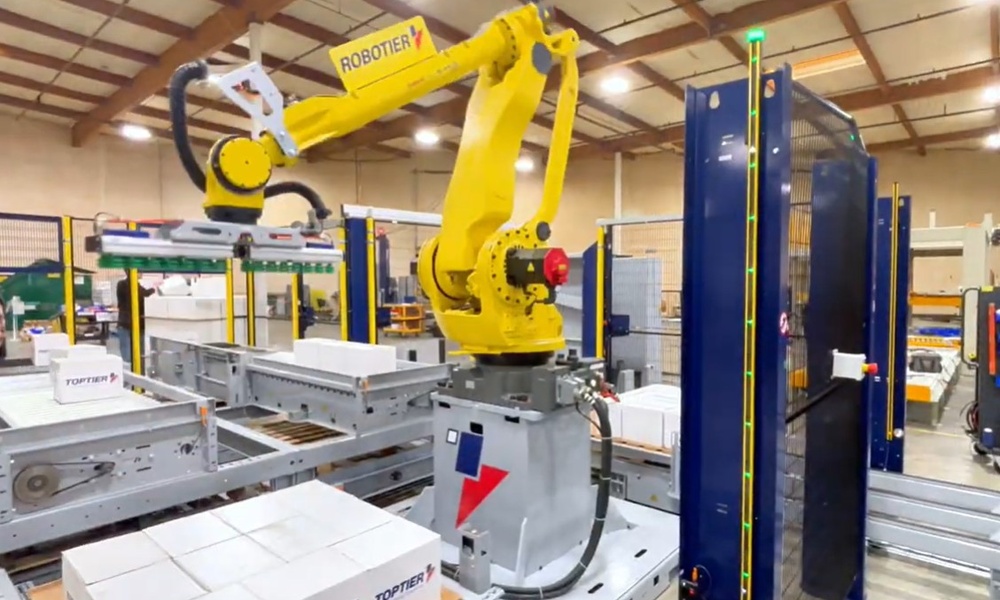
Perishable drinks move through demanding production and distribution environments. They may pass through cold storage, high-speed lines, busy warehouses, and long shipping routes before they ever reach a customer. That makes end-of-line packaging a key part of product protection, operational efficiency, and shipment quality. Keep reading for our end-of-line packaging tips for the beverage industry and perishable drinks, specifically.
Choose Beverage Stretch Wrapping Equipment That Supports Load Stability
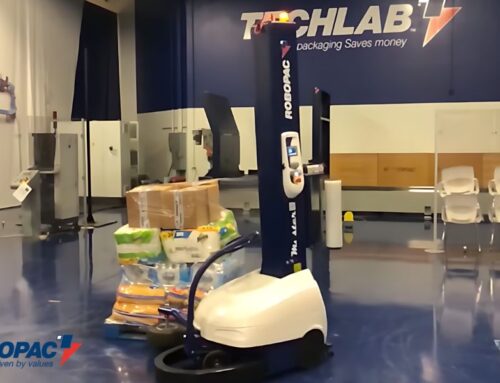
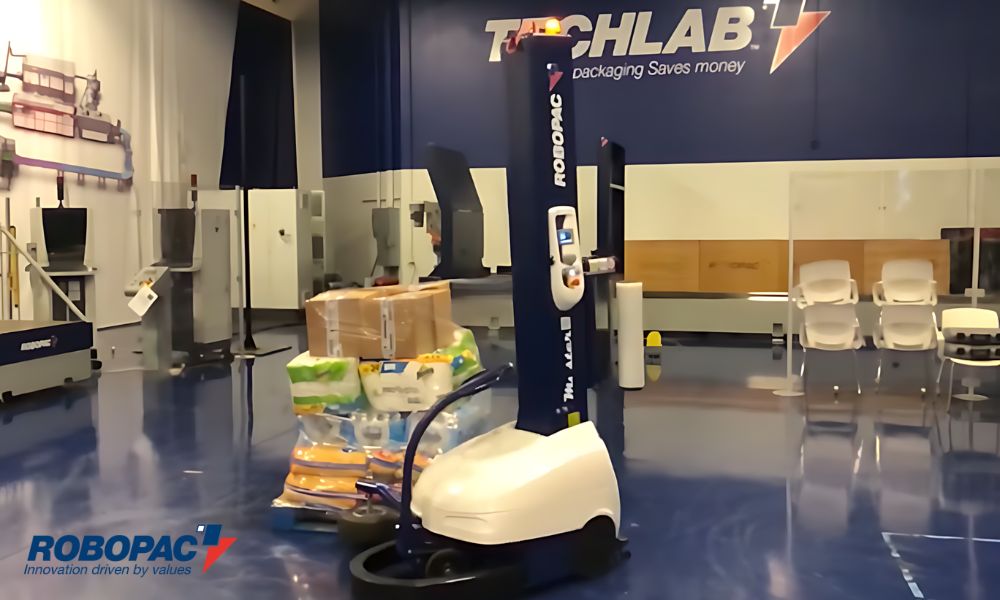
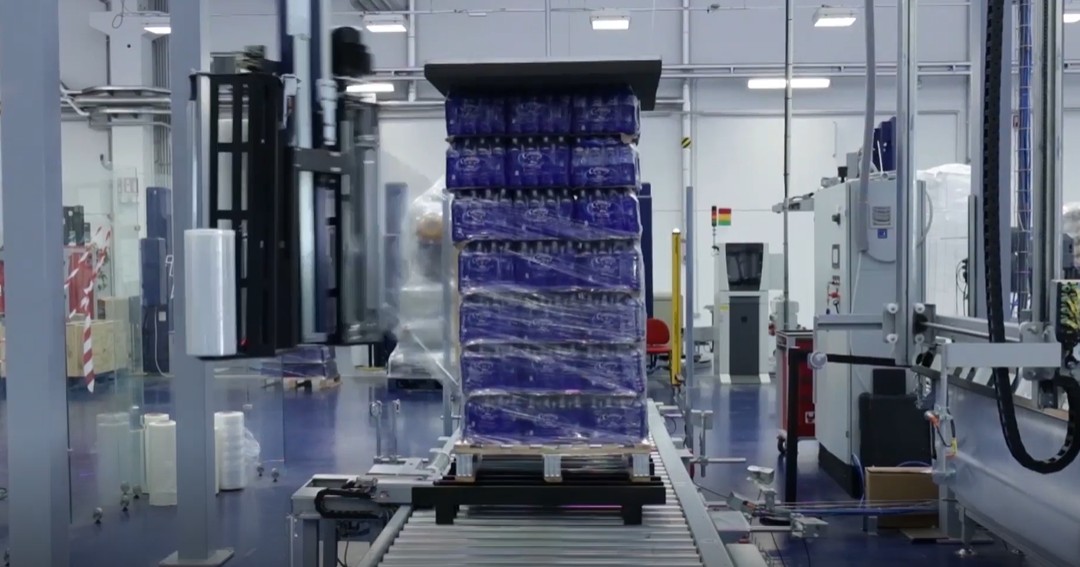
The priority in beverage packaging is load stability. Cases of bottled or canned drinks must stay secure during transport, even when pallets face vibration, sudden stops, stacking pressure, or repeated handling. Beverage stretch wrapping equipment should apply film with enough consistency and control to hold the load together without crushing product or wasting material.
A stable pallet protects more than the product itself. It also helps reduce workplace safety risks, limits rejected shipments, and keeps downstream handling more predictable. When wrappers create repeatable containment, operations can move pallets with greater confidence from the dock to the final destination.
Match Packaging Performance to Line Speed
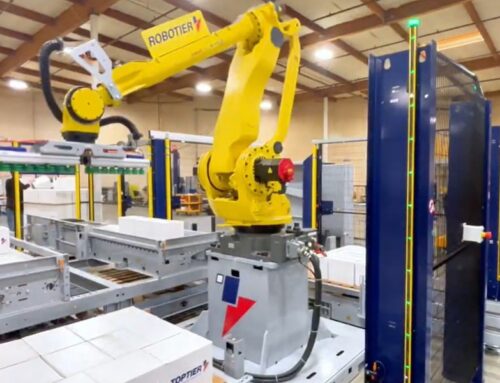
Perishable drink operations do not have much room for delay. If the end of the line slows down, the effect can spread quickly across filling, packing, and palletizing. That is why manufacturers need wrapping systems that keep pace with production while still delivering reliable load containment.
Speed alone does not solve the problem. A fast wrapper that produces inconsistent loads can create rework, product damage, and transportation issues. The better approach is to choose equipment that maintains wrap quality at the production rate the facility needs. That balance helps beverage plants protect throughput without sacrificing shipment integrity.
Account for Moisture, Temperature, and Transit Conditions
An important tip for end-of-line packaging of perishable drinks is to consider moisture, temperature, and transit conditions. Perishable drinks create unique packaging challenges because they move through refrigerated spaces and moisture-heavy environments. Condensation can affect packaging materials, while temperature changes can influence how loads behave in storage and transit.
Manufacturers should evaluate how pallets perform after they leave the line. A load that looks fine in the plant may shift once it enters a cold room or a delivery truck. Strong containment, consistent film application, and proper pallet configuration all help reduce those risks.
Build Flexibility into the End of the Line
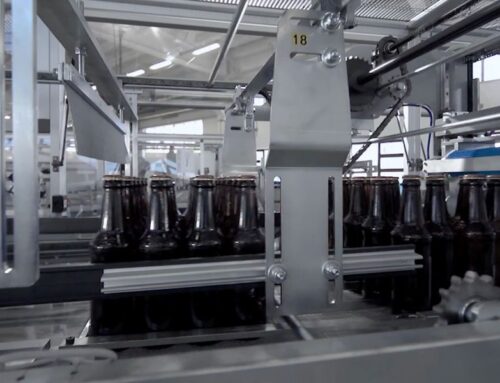
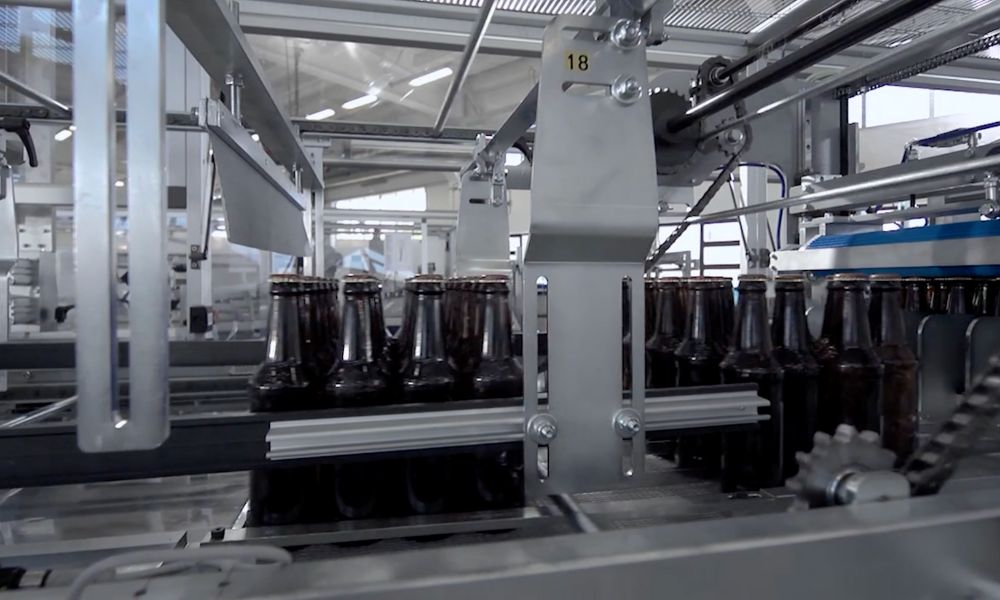
Beverage manufacturers rarely run one package type all day. Product lines may include bottles, cans, trays, multipacks, and seasonal formats that require different handling. End-of-line equipment should support those variations without creating excessive downtime or complicated changeovers.
Flexible systems help teams respond to changing production needs while keeping packaging quality steady. That matters for growing operations that need to manage multiple SKUs without losing efficiency. When the end of the line can adapt quickly, the plant gains more control over labor, scheduling, and output.
Conclusion
End-of-line packaging plays a direct role in the beverage industry’s transportation requirements. The right strategy improves load stability, supports line speed, and helps beverage manufacturers handle changing formats with less disruption. When packaging systems work together to protect products and maintain consistency, operations can reduce damage and move shipments more efficiently. Contact Robopac USA to find the right end-of-line solution for your beverage operation.