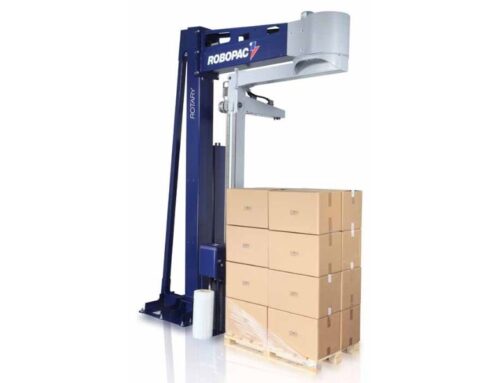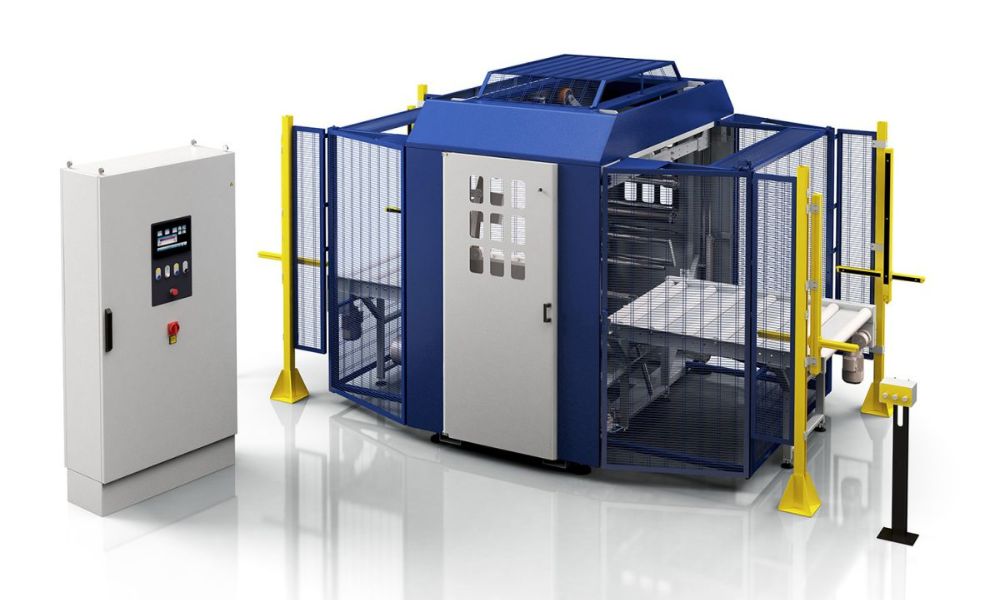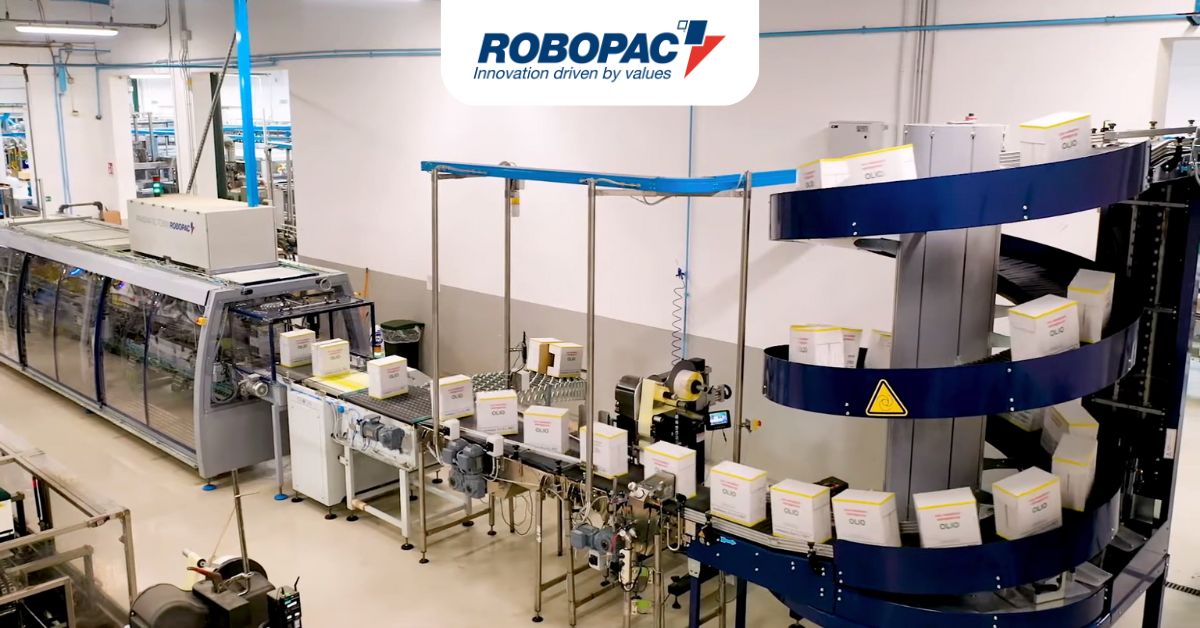
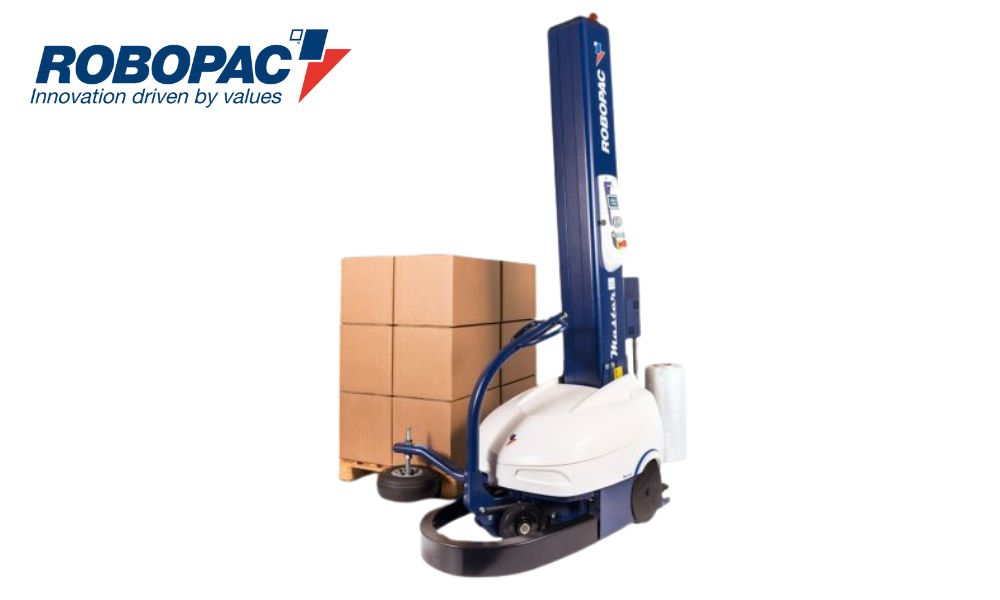
When a stretch wrapper starts acting up, downtime can stack up fast. Start by slowing down and diagnosing the issue methodically instead of “adjusting everything” at once. Below, our quick guide to troubleshooting a stretch wrapping machine will offer tips and solutions for a machine on the fritz.
Start With Safety and a Fast Visual Check
Lock out the machine if you need to put your hands near moving parts. Then scan for the simple stuff: film wrapped around a roller, a loose clamp, debris on the turntable, or a cord or pallet corner snagging the film. If you hear a new noise, treat it as a clue and locate where it starts before you restart the wrapper.
Film Breaks, Film Tails, or Unstable Loads
Film issues usually come from tension, threading, or contact points. Confirm you loaded the roll correctly and routed the film through each roller the way your manual shows. Then check tension and pre-stretch settings, because excessive tension can snap film, while low tension can create loose wraps and long tails.
Inspect the rollers and the film carriage for nicks, buildup, or misalignment. A small burr or a sticky roller can tear film repeatedly at the same spot. If the film breaks only on certain loads, look at sharp corners, overhang, or shifting product, and adjust your wrap pattern to add support where the load needs it.
Wrap Looks Uneven or Slides Up and Down
If the wrap pattern looks inconsistent, you likely have a speed or tracking issue. Confirm the load sits centered and stable on the turntable or conveyor, because an off-center load changes the film’s path and tension. Then check the carriage movement for smooth travel and consistent speed.
Turntable, Carriage, or Conveyor Stops Moving
When the machine stops rotating or the carriage jams, check for mechanical resistance first. Look for damaged belts, loose fasteners, or obstructions that block movement. If the machine struggles, you might see slow rotation, hesitation, or a repeatable stall at the same point.
If the system displays an error code, record it before you reset anything. A quick reset can clear a minor fault, but repeated faults usually signal a component that needs attention. If you notice a burning smell, repeated tripped breakers, or inconsistent power, stop troubleshooting and contact service.
When To Call for Service
Call a trained technician when you see electrical damage, recurring faults after basic checks, or worn mechanical parts you cannot replace safely. Also, call if wrap quality drops after you confirm film, settings, and threading, because a deeper calibration issue may exist. The fastest fix sometimes means getting the right part and expertise in place before a small issue turns into extended downtime.
Keep It from Happening Again
After troubleshoot the immediate problem of the stretch wrapping machine, build a simple routine around cleaning, inspection, and consistent setup. Track the settings that work for your common load types and train operators to follow them. If you need help diagnosing an issue with your semi-automatic stretch wrapper, Robopac USA can help! Talk with our packaging automation specialists to pinpoint the cause and reduce downtime.