Warehouse automation changes more than equipment. It changes job steps, decision points, and the pace of work on every shift. If you want automation to deliver consistent throughput, you need a plan that helps your team adopt new processes with confidence. Our guide below will offer advice on how to retrain warehouse workers in automation.
The Benefits of Automation in Warehouses
Before we delve into retraining, it’s important to understand why warehouse managers should make an investment in automation in the first place. Warehouse automation increases output, accuracy, and consistency without sacrificing safety.
More Throughput Without Adding Complexity
Automation helps warehouses move more product with fewer bottlenecks. It standardizes repeatable tasks, which reduces variation between shifts and improves predictability. When processes run consistently, supervisors spend less time firefighting and more time improving flow.
Better Accuracy and Fewer Costly Errors
Automated systems reduce mis-picks, mislabels, and inconsistent load handling when you set them up correctly and run them consistently. That reliability improves outbound quality and cuts rework. It also supports stronger customer performance metrics, especially for high-volume operations.
Improved Safety and Less Strain on Teams
There’s also a safety benefit to warehouses who invest in automation. It reduces heavy lifting, repetitive motion, and risky manual tasks around high-traffic areas. Automation can also create clearer guardrails through sensors, interlocks, and standardized procedures.
Why Retraining Workers Matters
Obviously, there are clear benefits to automation for warehouses, but why is retraining important? Retraining warehouse workers gives them peace of mind and protects their jobs by investing in their skillset.
Retraining Automation Turns into Real Performance
Technology does not deliver results on its own. People decide how consistently they follow procedures, how quickly they respond to exceptions, and how well they protect quality. Retraining closes the gap between how a system “should” run and how it actually runs on a busy shift.
Retraining Protects Jobs by Building Higher-Value Skills
Automation shifts workers from manual repetition to monitoring, exception handling, quality checks, and continuous improvement. Retraining gives teams a path to grow into those roles instead of equipment replacing them. When workers gain new skills, you build a more flexible operation that can adapt as processes evolve.
Retraining Reduces Resistance and Speeds Adoption
Most resistance to automation comes from uncertainty, not stubbornness. When you train early and frequently, you replace rumors with clarity and confidence. You also reduce avoidable downtime that comes from hesitation, workarounds, or inconsistent handoffs.
Tips for Retraining Workers in Automated Systems
Now that we understand the benefits of automation for warehouses and the importance of retraining workers, how do you do it? Start with quantifiable outcomes, build trust, and train in the environment to help workers embrace and succeed in their new training.
Start With the Outcomes People Can Feel
New systems can fail quietly when teams do not feel ready to run them day to day. Project stakeholders may live inside a rollout for months, while operators only see it right before go-live. That gap creates confusion and resistance unless you close it with clear communication and repeated training touchpoints.
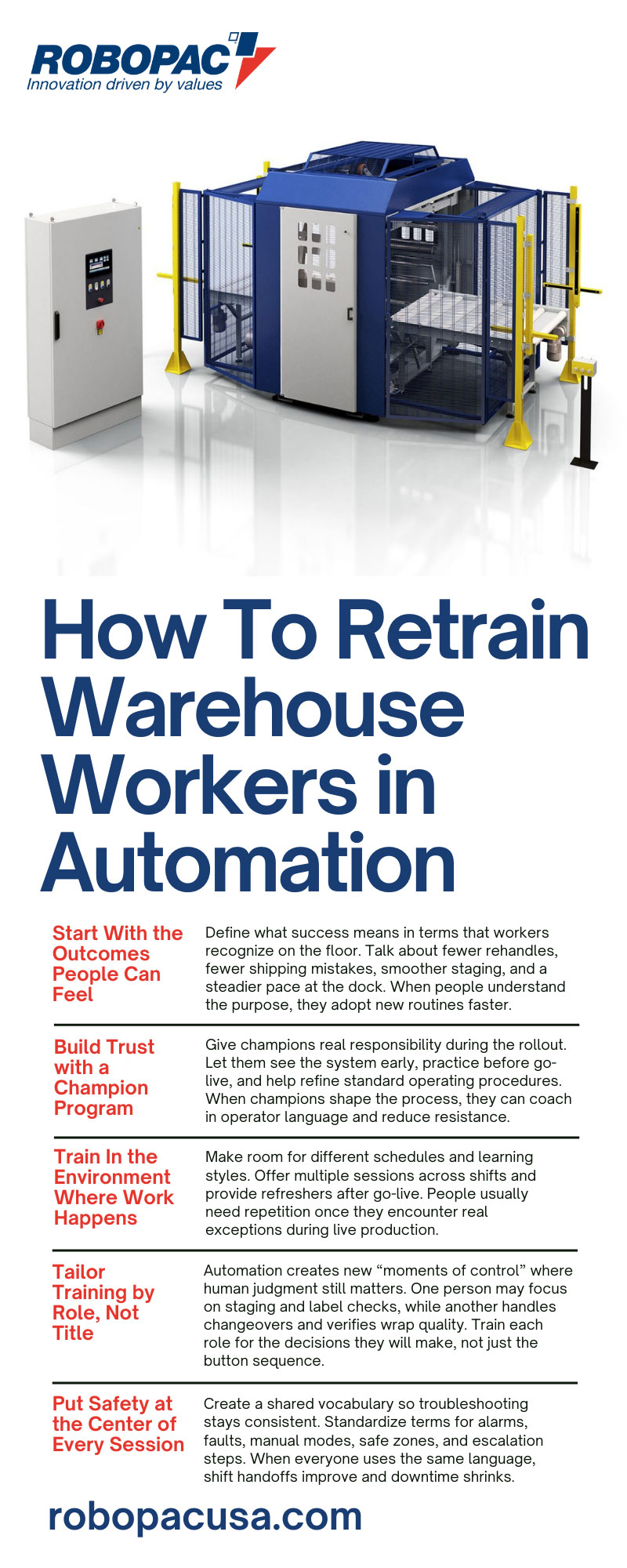
Define what success means in terms that workers recognize on the floor. Talk about fewer rehandles, fewer shipping mistakes, smoother staging, and a steadier pace at the dock. When people understand the purpose, they adopt new routines faster.
Build Trust with a Champion Program
Warehouse teams learn from people they respect. Identify champions from each shift and area so training does not become a day-shift-only advantage.
Give champions real responsibility during the rollout. Let them see the system early, practice before go-live, and help refine standard operating procedures. When champions shape the process, they can coach in operator language and reduce resistance.
Train In the Environment Where Work Happens
Hands-on training works best when it mirrors real warehouse conditions. Run training on the floor where workers will perform normal cycles and respond to typical interruptions.
Make room for different schedules and learning styles. Offer multiple sessions across shifts and provide refreshers after go-live. People usually need repetition once they encounter real exceptions during live production.
Tailor Training by Role, Not Title
Automation creates new “moments of control” where human judgment still matters. One person may focus on staging and label checks, while another handles changeovers and verifies wrap quality. Train each role for the decisions they will make, not just the button sequence.
Use a day-in-the-life walkthrough to connect tasks to the full process. When workers understand the whole flow, they stop optimizing only their station and start protecting throughput.
Put Safety at the Center of Every Session
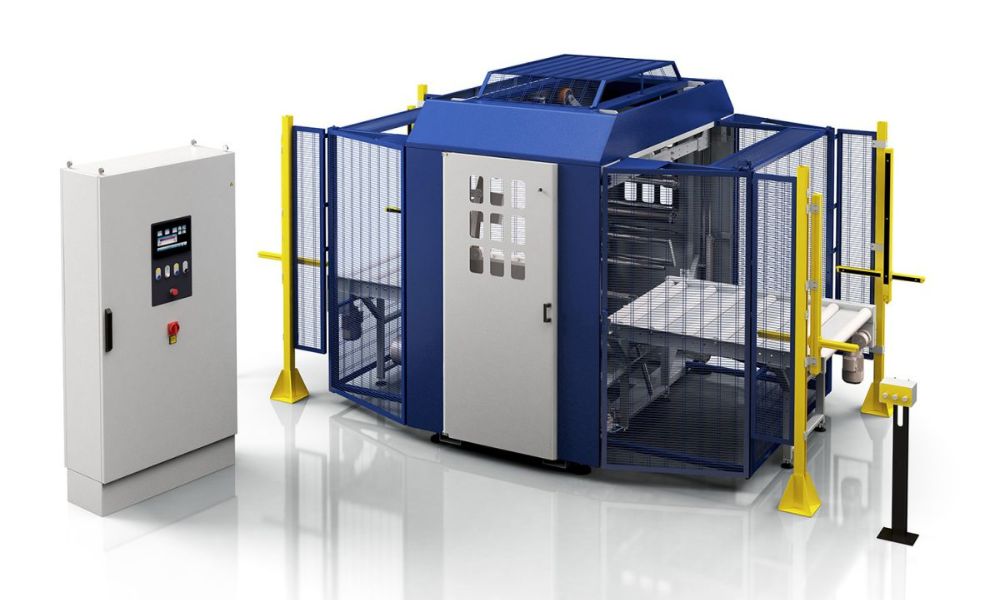
Automation introduces new hazards and new safeguards. Train for normal operations, but also train for abnormal events like stoppages, alarms, and manual recovery steps. Workers should know what to do, what not to do, and when to call maintenance or a supervisor.
Create a shared vocabulary so troubleshooting stays consistent. Standardize terms for alarms, faults, manual modes, safe zones, and escalation steps. When everyone uses the same language, shift handoffs improve and downtime shrinks.
Teach People How to Protect Uptime
Operators do not need to become technicians, but they should recognize early warning signs and handle routine issues safely. Train them to spot patterns that cause downtime, like sensor faults, film breaks, inconsistent wrap coverage, or poor load stability.
Document what “good” looks like for your operation. Define acceptable cycle outcomes for quality, label accuracy, staging readiness, and load containment. Clear standards reduce rework and keep shipments moving.
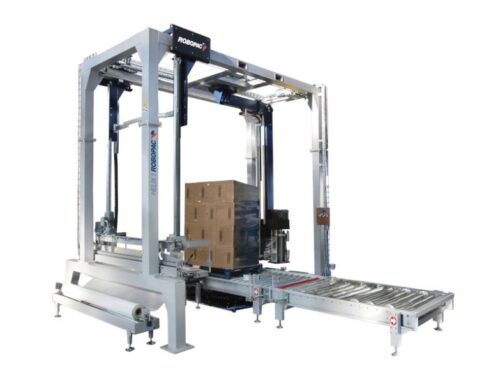
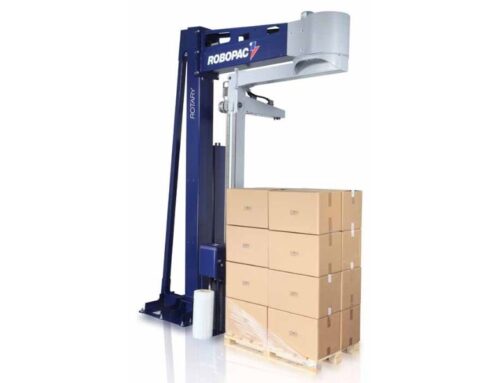
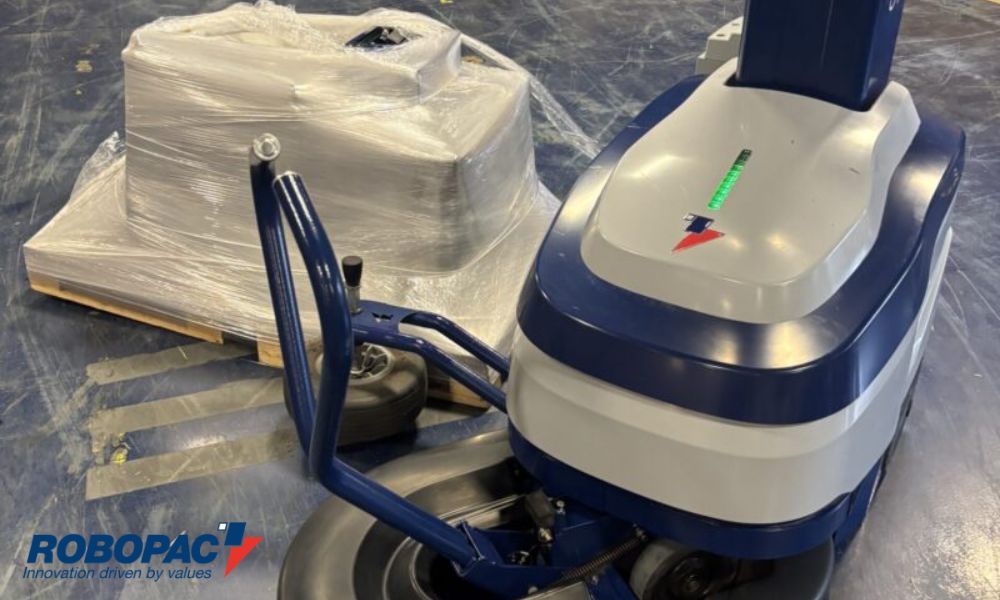
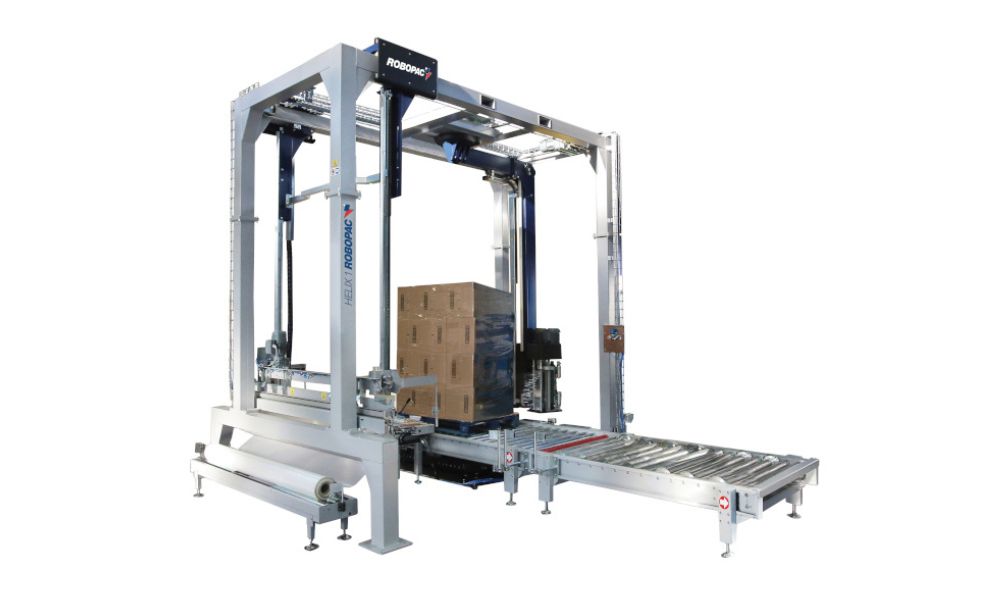
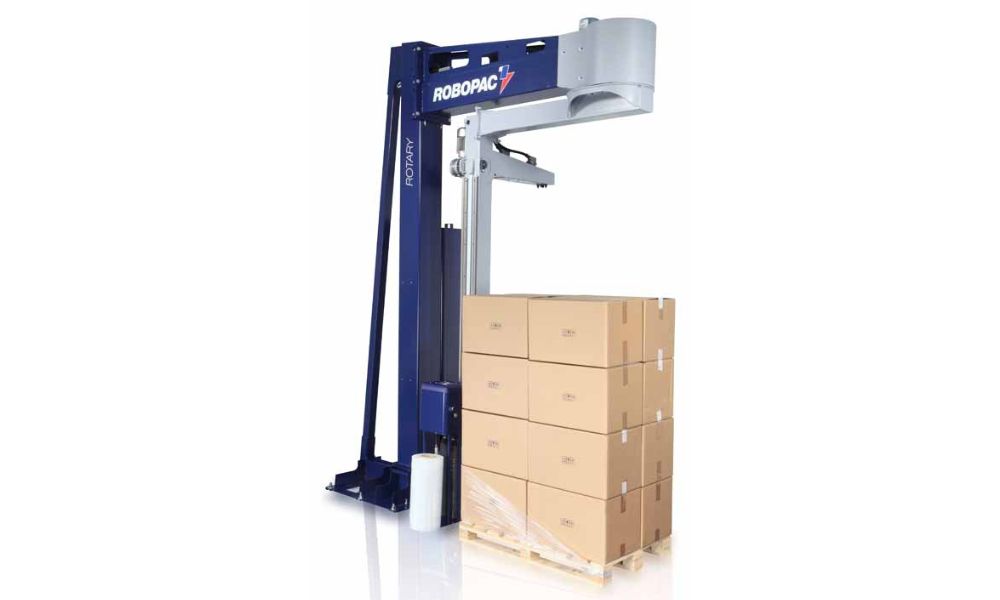
This is also where partnering with stretch wrapper manufacturers like Robopac USA can strengthen your training plan. We can help translate machine capabilities into practical operating parameters, repeatable changeover routines, and containment expectations that make quality more consistent.
Reinforce Skills with Coaching and Feedback Loops
Treat go-live as the start of training, not the finish line. Plan daily check-ins during the first weeks to surface issues early and prevent bad habits from forming. Use champions to coach, answer questions, and help teams stay consistent across shifts.
Create a continuous improvement rhythm so training stays current. Schedule periodic refreshers, especially as new hires join or processes change.
Align Training with Your Automation Partner
Automation partners influence adoption more than most teams expect. Choose partners who offer strong training materials, clear operating guidance, and support options that match your internal experience level. Make sure you understand what remote support looks like when production runs overnight or on weekends.
Use a train-the-trainer approach if you need scale. Train a core group deeply, then let them teach others with consistent objectives and basic proficiency checks. This model works well across multiple sites or in higher turnover environments.
Final Takeaway
Warehouse automation succeeds when teams trust the system, understand the workflow, and have support when problems happen. Clear outcomes, hands-on role-based training, safety-first procedures, and ongoing coaching reduce the learning curve and protect performance.
If you are introducing automated packaging or pallet handling, Robopac USA can help guide you early on to build training around real production scenarios. When champions, supervisors, and automation partners support the rollout together, you create a smoother transition and a stronger long-term operation.