Packaging line uptime rarely comes down to one “big fix.” Teams protect throughput by stacking small, repeatable habits across maintenance, operations, materials, and controls. This guide walks through proven best practices for maximizing packaging line uptime that you can apply without turning your operation upside down.
Treat Uptime Like a System, Not a Metric
Uptime improves fastest when everyone agrees on what “down” means. Track stops by category, log the cause, and capture duration consistently. If different shifts classify the same issue differently, your data will point you in the wrong direction.
Define a short list of stop reasons that match your line. Keep it simple enough that operators can log accurately under pressure. Then review the data weekly to confirm you fix the top drivers instead of chasing yesterday’s noise.
Standardize Your “First 15 Minutes” Startup Routine
Most preventable stops start as small issues: low air pressure, a loose sensor bracket, worn rollers, or a dirty photo-eye. A short startup routine catches these issues before the line ramps up. It also builds shift-to-shift consistency, which matters more than individual heroics.
Create a startup checklist that operators can complete fast and the team can audit easily. Emphasize visible checks, quick cleaning, and confirming setpoints match the product scheduled for that run.
Lock In Repeatable Settings with Documented “Known Good” Recipes
Many uptime losses come from an inconsistent setup, not broken equipment. If operators rely on memory, settings drift over time, and performance becomes unpredictable. You reduce that risk when you standardize machine recipes for common SKUs and validate them on the floor.
Capture the settings that directly affect stability and flow. Document them in a format operators use, such as laminated station cards or a controlled digital work instruction.
Protect The End of Line with Proactive Stretch Wrapper Care
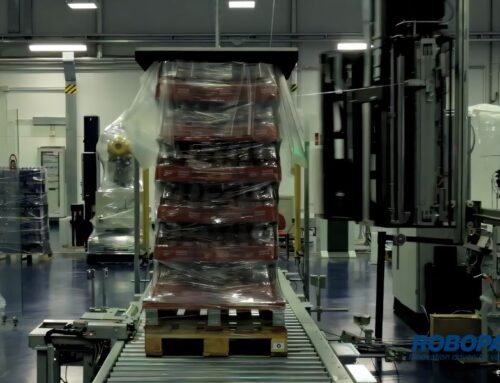
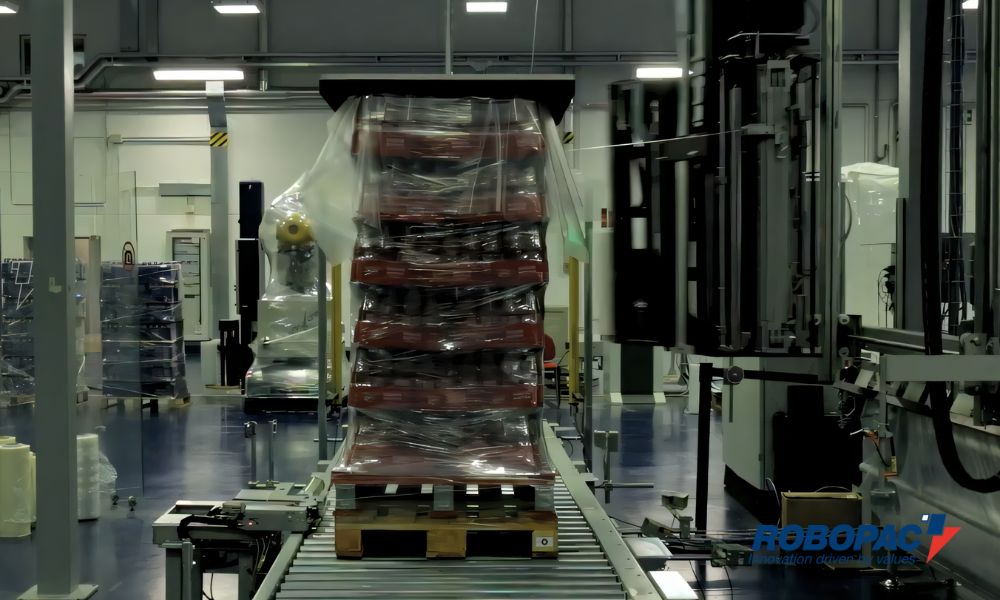
Another best practice for maximizing packaging line uptime is to protect the end of the line with stretch wrapping care. End-of-line interruptions can back up the entire line in minutes. Small issues in film delivery, sensor function, or load handling frequently cause stops that feel random.
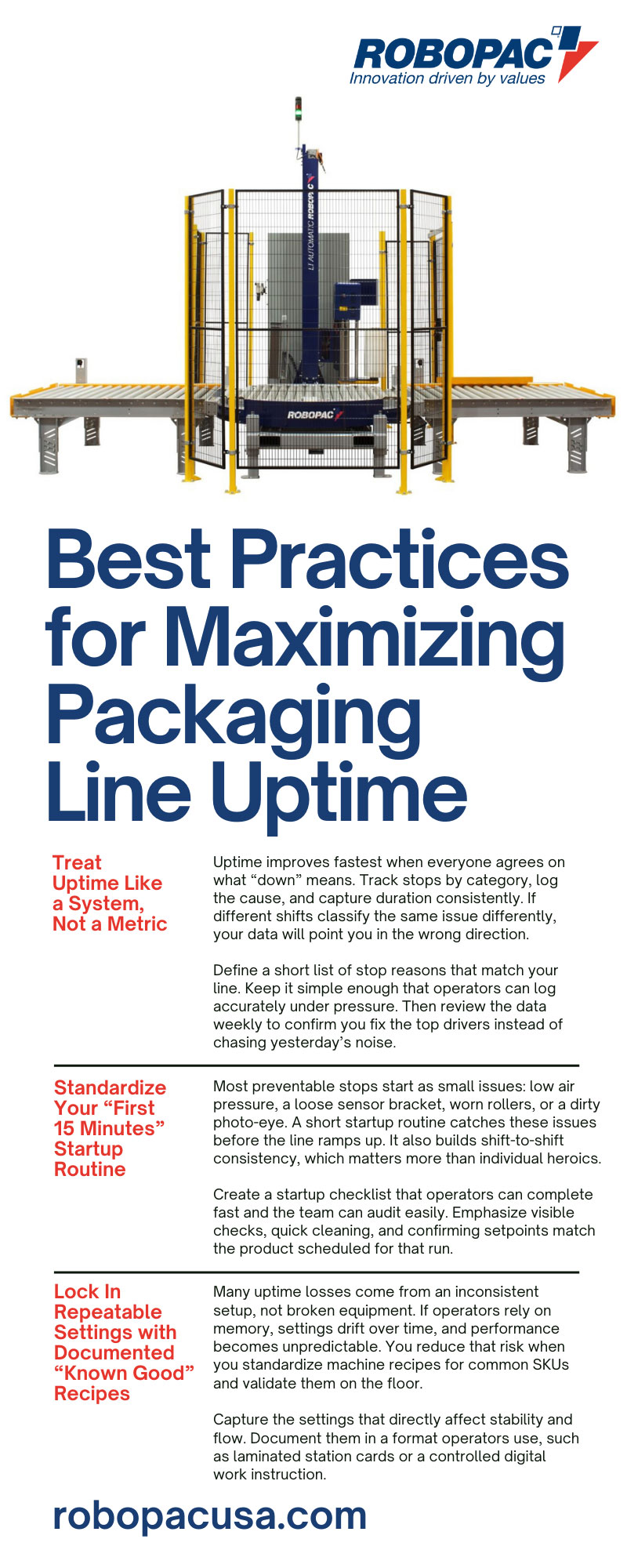
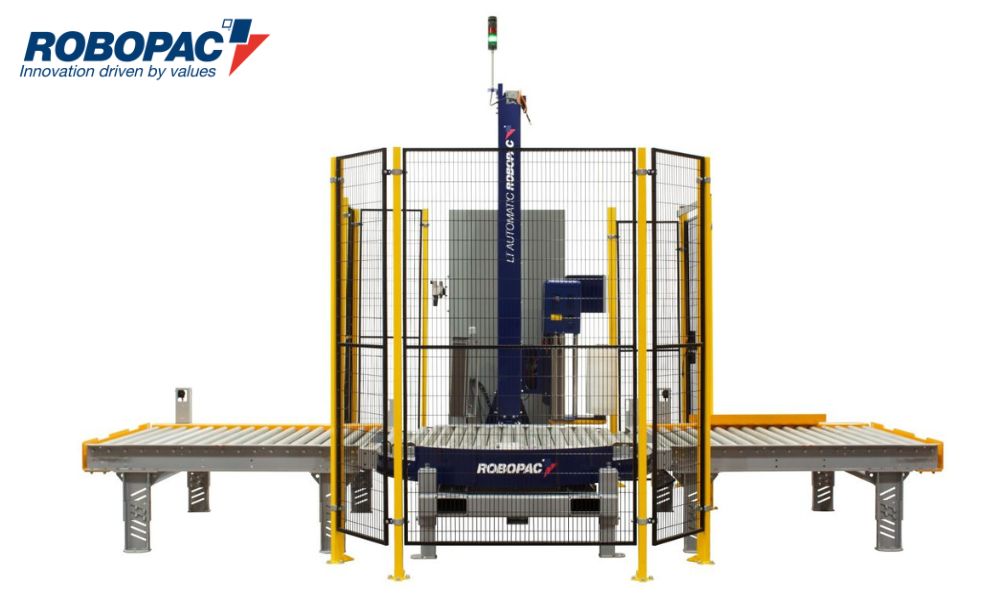
Keep the film path clean and friction-free, because buildup can change film behavior and trigger alarms or wrap defects. Make sensor cleaning part of routine care, since dust and film tails can cause false reads and unexpected stops. If you run an automatic stretch wrap machine in a high-throughput environment, prioritize repeatable film performance and stable settings so the wrapper supports the line instead of becoming the bottleneck. Robopac USA positions its automatic stretch wrappers around consistent, fully automated performance for medium to high-volume operations, which aligns with this “stability first” uptime approach.
Match Materials to The Process, Not the Purchase Order
Uptime suffers when materials vary more than the equipment can tolerate. Film, tape, and cases that look “close enough” on paper can behave differently on the machine. That difference shows up as more rework, more jam clearing, and more micro-stops that never make it into a downtime report.
Treat materials as part of the system and validate them against your settings. When procurement needs an alternate supplier, run a controlled test and document any necessary setting changes. Build a simple approval process so your line does not become the testing lab during peak shipping windows.
Train Operators to Diagnose, Not Just React
Fast recovery depends on clear thinking under pressure. Operators who understand “why” can diagnose a stop faster than operators who only know “what button to press.” Training also reduces repeat stops from the same root issue.
Train to symptoms and causes, not just procedures. Teach operators what normal looks and sounds like, and what changes first when something drifts. When you standardize that knowledge, you shorten the mean time to recover and reduce the temptation to bypass safety or “work around” problems.
Build Maintenance Around Condition and Failure Modes
Calendar-based maintenance helps, but it typically misses the real drivers of downtime. Uptime improves faster when you focus on failure modes, wear points, and conditions that predict a stop.
Start by identifying the top three stop categories for each major asset. Then map what typically fails first, what you can measure, and what you can inspect quickly. For example, wear parts, belts, rollers, sensors, and pneumatic components typically show early warning signs if you look for them with intent.
Reduce Changeover Time Without Creating New Problems
Teams frequently chase faster changeovers and accidentally create more downtime. They skip verification steps, rush alignment, or don’t document settings. The line starts up faster, but it stops regularly, and quality drifts.
Improve changeovers by separating internal and external work. Prep materials, tools, and verified settings before you stop the line. After the changeover, run a short verification sequence that confirms critical sensors, guards, and product handling points before you ramp back to full speed.
Use Real-Time Visibility to Catch Problems Early
You cannot fix what you cannot see. Real-time monitoring helps you catch performance drift, minor stops, and repetitive alarms before they grow into long downtime events. Even simple dashboards can help you spot patterns by shift, SKU, or time of day.
If your equipment supports remote monitoring and diagnostics, use it to shorten troubleshooting cycles and support consistent decision-making. Robopac USA highlights R-Connect® for real-time monitoring and diagnostics on certain automatic stretch wrapper models, which can support faster response when the machine starts trending toward faults.
Plan Spare Parts Like You Plan Production
Parts availability can turn a 10-minute stop into a four-hour outage. Many facilities stock the wrong parts because they stock what feels important, not what fails most commonly. You improve uptime when you treat parts strategy as an operational discipline.
Start with a critical spares list by asset and failure mode. Stock the parts that stop the line and have long lead times.
Engineer Safety into Uptime, Not Against It
Safety and uptime support each other when you design the work correctly. Unsafe shortcuts create bigger downtime later through damaged components, misalignment, or near-miss investigations. A safe process also reduces hesitation, because operators trust the machine and the routine.
Prioritize clear guarding, reliable interlocks, and consistent lockout/tagout practices. If an asset generates frequent safety trips, treat that as a reliability problem and investigate root causes. For example, models that include higher-level safety packages can reduce risk while keeping operation predictable when used and maintained correctly.
Make Root Cause Work Part of The Week, Every Week
Uptime improves when you solve repeat issues permanently. That only happens when you protect time for root cause work and close the loop. If you only talk about downtime in the moment, you will relive the same stops forever.
Pick one repeat issue each week and commit to a real fix. Validate the fix with data, then update the standard work so the improvement sticks.
Turn Uptime into a Daily Habit
The best uptime programs feel boring in the best way. They rely on routines, consistent standards, and fast learning cycles. They avoid drama by preventing issues before they become emergencies. If you want help improving packaging line uptime—whether you need to optimize an existing stretch wrapping station or evaluate automation options—contact Robopac USA to discuss your line goals and constraints.