Bulk plastic packaging can create wrapping challenges that standard pallet loads do not. Lightweight materials, shifting products, tall stacks, and slick surfaces can all make load containment harder during storage and transit. That is why buyers must look beyond basic machine specs and focus on how a wrapper will perform in real production conditions. Below, we offer tips for choosing a stretch wrapper for your bulk plastic packaging process.
Start With Load Type and Load Stability
The first step in choosing a stretch wrapper is understanding the load itself. Bulk plastic packaging may include containers, bags, stacked items, or products that behave differently on a pallet. Some loads stay firm and square during rotation, while others lean, shift, or compress under tension.
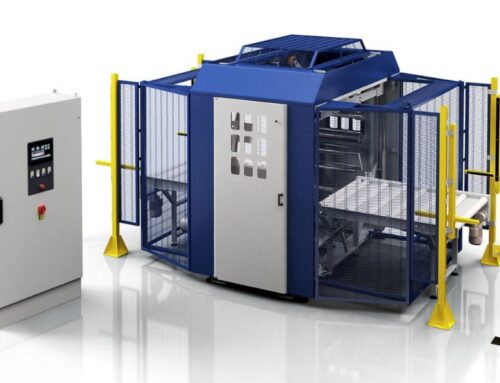
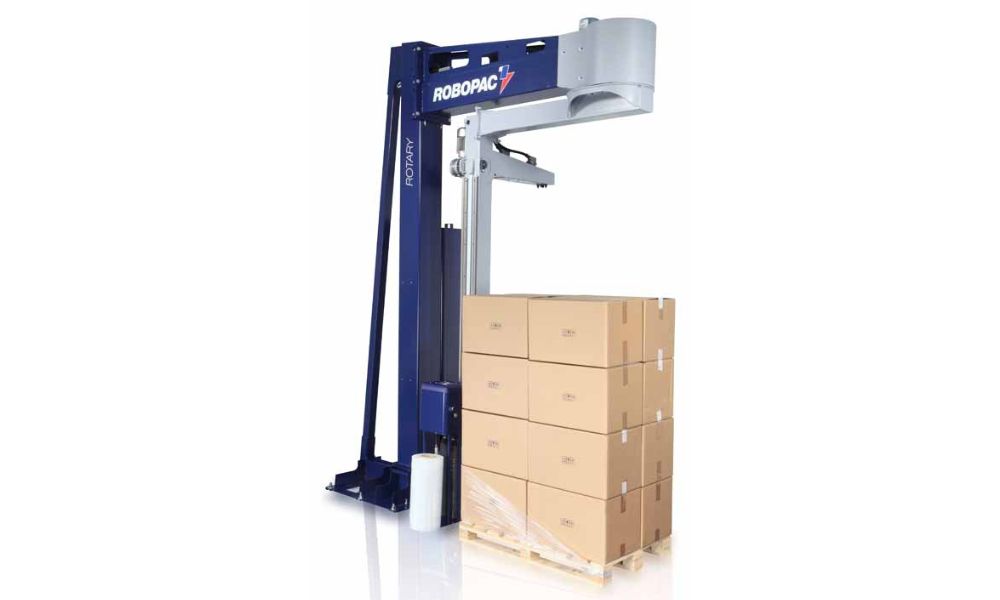
That difference matters because machine design must support the way the load moves. A stable pallet may work well on a turntable system, while a taller or less secure load may need a machine that keeps the pallet stationary during wrapping.
Look Closely at Packaging Shape and Surface Conditions
Bulk plastic packaging can create unstable pallet patterns even when the weight seems manageable. Smooth surfaces can reduce friction between layers, and irregular shapes can make it harder to apply consistent film force from top to bottom. Buyers should study whether the load has overhang, loose edges, uneven corners, or shifting layers before choosing a machine.
These details affect containment, film performance, and the overall wrapping pattern. A wrapper that handles a uniform pallet well may struggle with a mixed or irregular plastic load.
Match The Machine to Daily Throughput
Production volume should shape the decision just as much as load type. Some facilities wrap a limited number of pallets across multiple product lines, while others run a steady stream of outbound loads through shipping every day. The right stretch wrapper should support actual output without creating delays or adding unnecessary complexity.
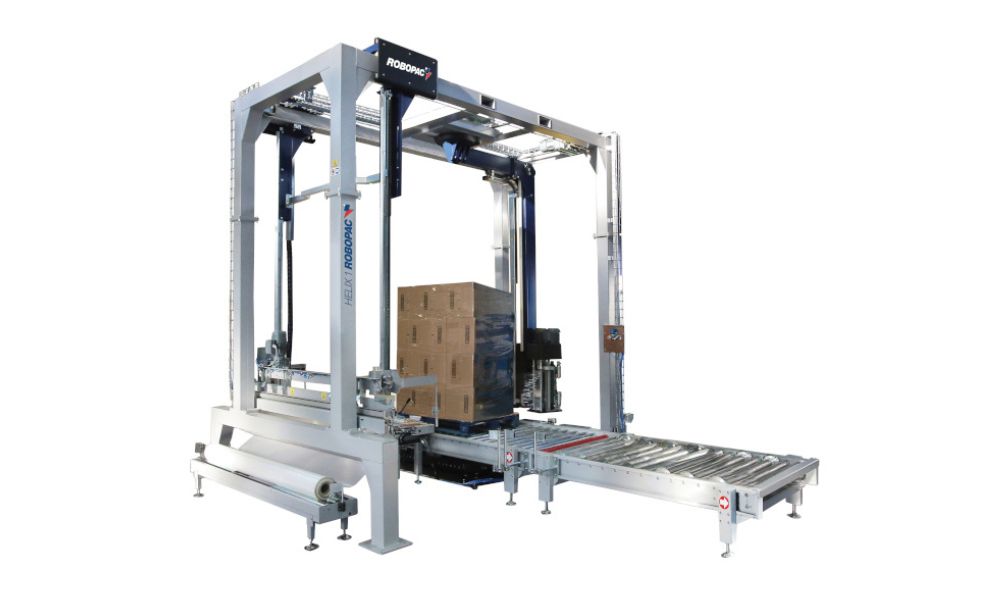
A semi-automatic pallet wrapping machine built for moderate throughput can improve consistency and reduce manual labor without requiring a major change to the line. At the same time, buyers should avoid selecting equipment based only on peak-season assumptions.
Think About Labor and Workflow
A stretch wrapper should fit naturally into the way people and products move through the facility. Buyers need to think about who loads the machine, how pallets arrive, and how quickly loads must exit the area. A machine that interrupts traffic flow or creates extra handling steps can weaken productivity even if it performs well on paper.
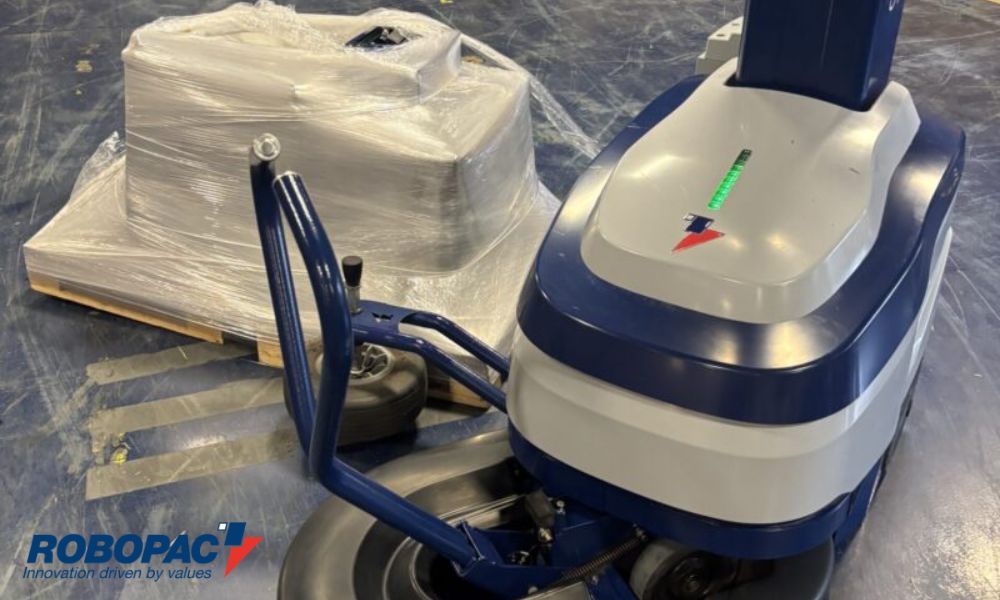
The best choice supports the existing workflow while improving consistency. That may mean choosing a configuration that works with pallet jacks, forklifts, limited floor space, or changing production schedules.
Consider Film Control and Load Containment
Good stretch wrapping depends on more than placing film around a pallet. The machine must apply the right amount of containment force to protect the product without crushing or distorting the load. That balance becomes especially important with bulk plastic packaging, where light or flexible materials may shift under pressure.
Choose a Stretch Wrapper with Confidence
Now that you’ve read our tips for choosing a stretch wrapper for bulk plastic packaging, you’re ready to find the ideal machine for your process. To find the best fit for your operation, contact Robopac USA and speak with a packaging expert about the right solution for your line.