Just-in-Time (JIT) manufacturing strategies revolutionized the industrial world by aligning production schedules directly with demand. This approach minimizes inventory holding costs and reduces waste by ensuring facilities receive goods only as they need them.
However, the modern supply chain demands a level of speed and precision that manual processes frequently struggle to maintain. Automation serves as the critical link between the theoretical advantages of JIT and practical execution on the warehouse floor. Keep reading to understand the benefits of automation in just-in-time environments.
Streamlined Production Processes
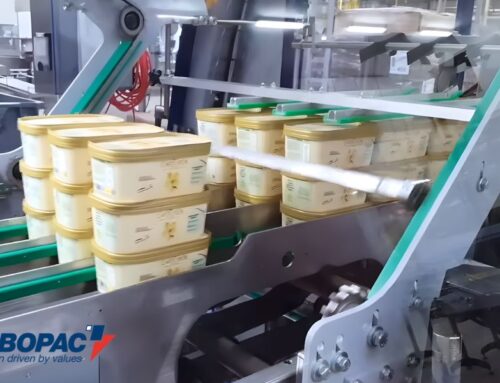
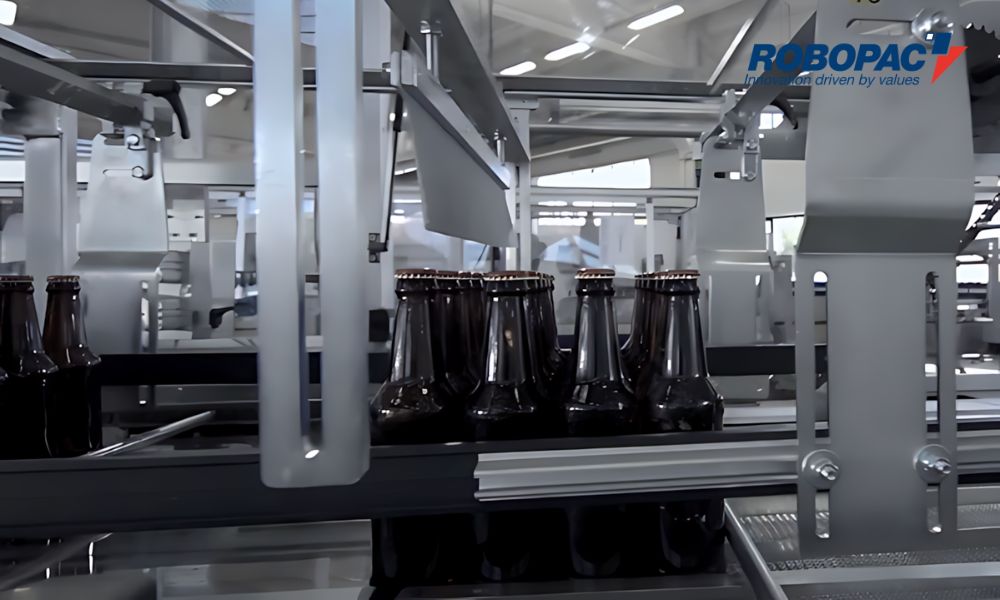
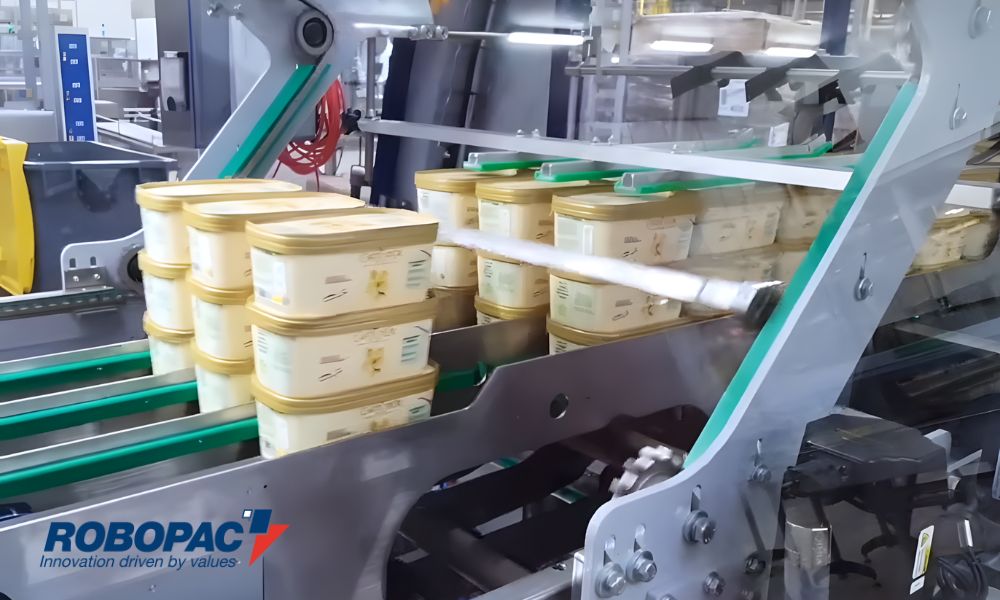
Bottlenecks present the biggest threat to a successful JIT strategy. In a manual environment, production speed fluctuates based on human endurance and shift changes. Automation removes these variables. Automated material handling systems, such as conveyors and robotic palletizers, maintain a consistent pace that manual labor cannot replicate.
This constant, reliable flow keeps products moving from assembly to the shipping dock without interruption. By removing the physical limitations of manual handling, facilities make “just-in-time” truly mean what it says. The machinery operates continuously, allowing production schedules to meet strict deadlines regardless of volume spikes or labor shortages.
Enhanced Inventory Management
Another benefit of automation in just-in-time environments is that it makes it easier for managers to organize inventory. Automation provides the real-time visibility necessary to verify material levels and more. Automated storage and retrieval systems (AS/RS) and smart sensors track inventory levels with absolute precision.
These systems monitor stock continuously and trigger reordering protocols the moment supplies drop below a specific threshold. This level of accuracy eliminates the need for safety stock, or “just-in-case” inventory. Consequently, warehouses maximize their available space so that every square foot of the facility contributes to the bottom line.
Improved Quality Control
Speed brings value, but only if the product arrives in pristine condition. Manual processes often introduce variability, particularly in end-of-line packaging. A worker might wrap one pallet loosely and the next too tightly, leading to potential load failure during transit.
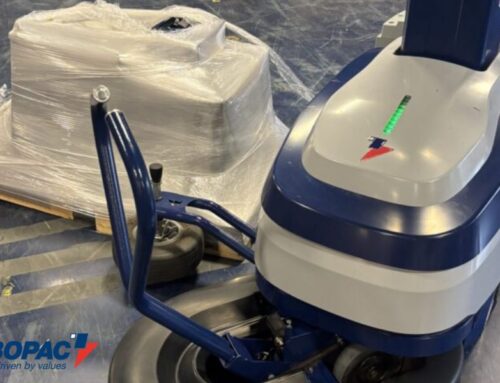
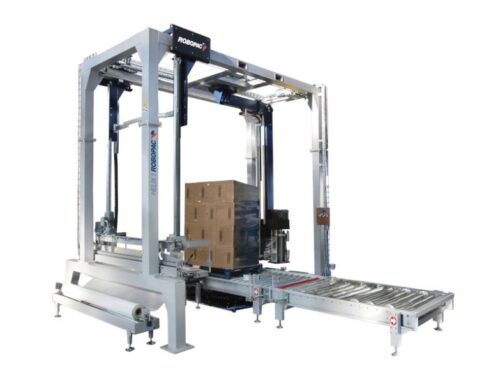
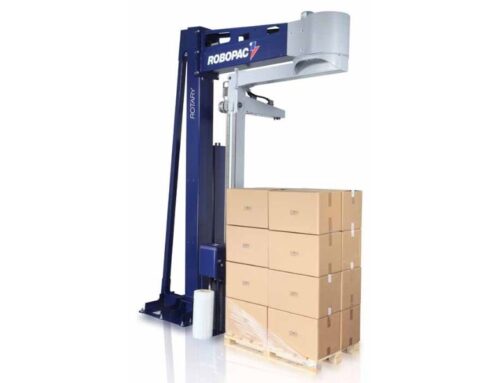
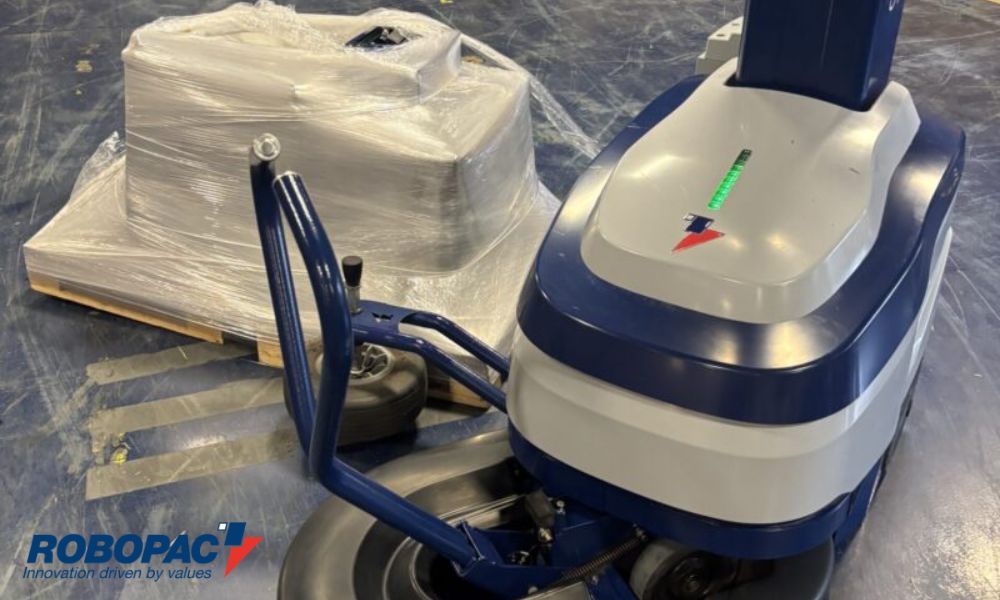
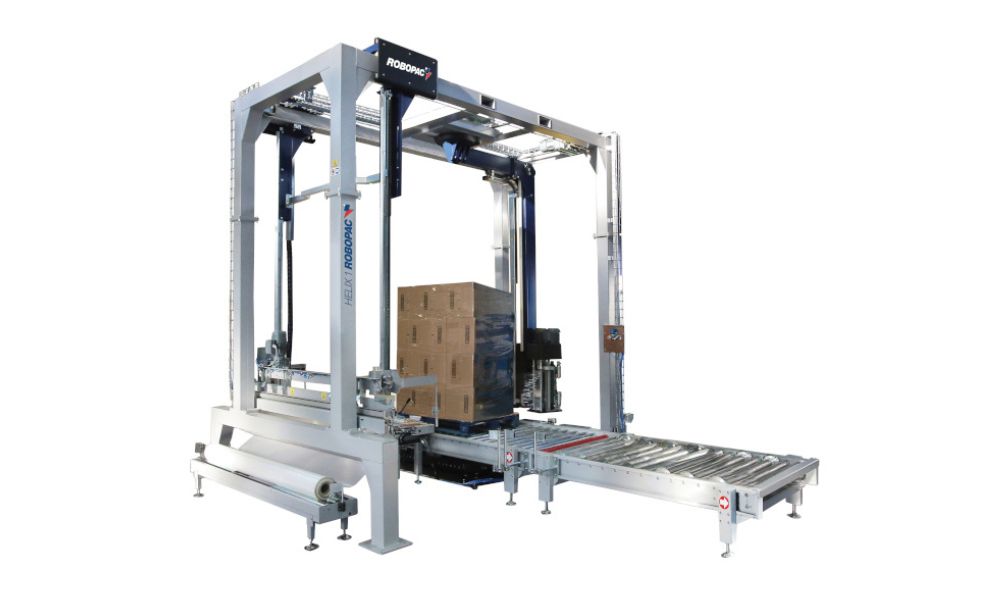
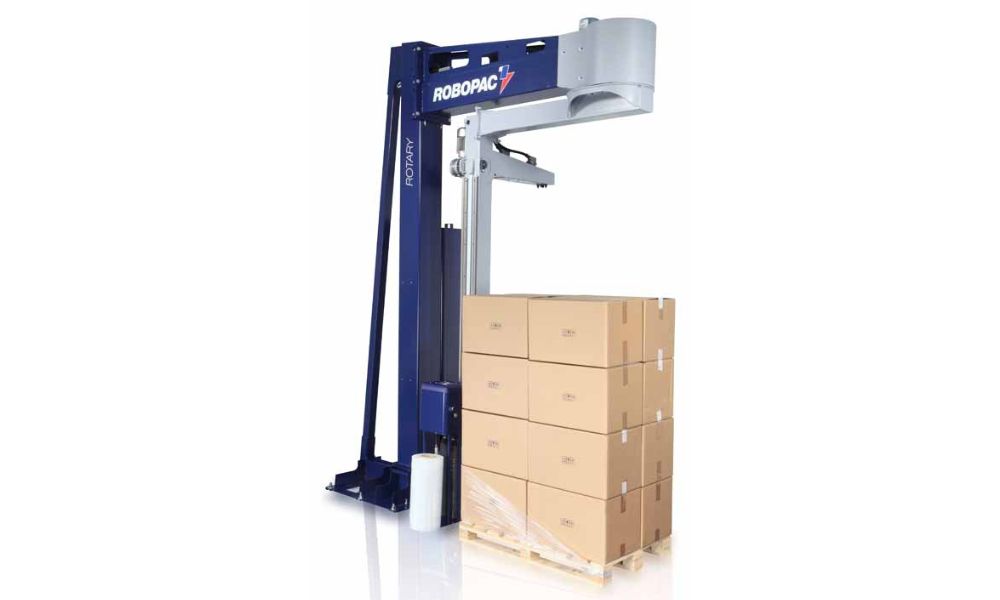
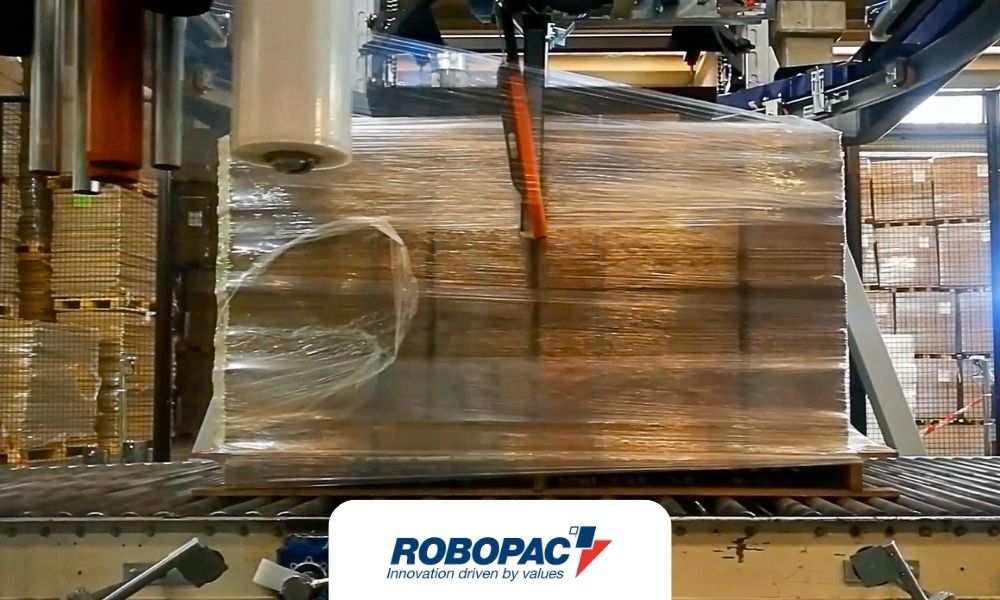
Automated packaging solutions, such as an automatic stretch wrapper, use the exact amount of containment force necessary for every single load. This consistency significantly reduces the risk of product damage. Automated inspection systems also identify defects instantly, allowing operators to address issues before a defective product ever leaves the facility.
Cost Reduction
While upgrading to automated systems requires an initial capital investment, the long-term cost savings prove substantial. Automation reduces the dependency on manual labor for repetitive, injury-prone tasks, allowing companies to reallocate their workforce to value-added roles.
Beyond labor, automation drastically reduces material waste. Advanced machinery utilizes consumables much more efficiently than human operators. For instance, automated wrapping machines pre-stretch film further than hand wrapping, reducing film consumption by a wide margin.
Moving Forward with Automation
Automation acts as the catalyst that allows Just-in-Time environments to reach their full potential. By streamlining production flows, tightening inventory control, ensuring consistent quality, and cutting operational costs, technology empowers businesses to meet global demand with precision. If you want to reap the benefits of automation in your facility, contact Robopac USA today to learn more about our automatic stretch wrappers and more!