Lightweight plastic bottles help beverage producers reduce material use, control shipping weight, and improve production efficiency. Yet those same benefits can create new problems at the end of the line. When bottles become thinner, cases become less rigid, and pallets depend more heavily on precise containment.
Stretch wrapping lightweight bottles requires more than applying film around a load. The process must balance holding force, film behavior, pallet pattern, product shape, and transportation demands. Below, we’ll outline the challenges of stretch wrapping lightweight plastic bottles and possible solutions.
Why Stretch Wrapping Matters for Lightweight Bottles
Lightweight plastic bottles do not behave like heavier, more rigid packaging. They flex, shift, compress, and react to pressure across the pallet. A wrapping process that works for sturdier containers may create bulging, crushed corners, or unstable layers when applied to lightweight PET bottles.
The right wrapping approach applies enough containment force to keep the load together without damaging the bottles or distorting the package. This makes machine control especially important. Operators need consistent wrap patterns, accurate film tension, reliable pre-stretch, and repeatable settings that match the actual load.
Lightweight Bottles Have Less Built-In Support
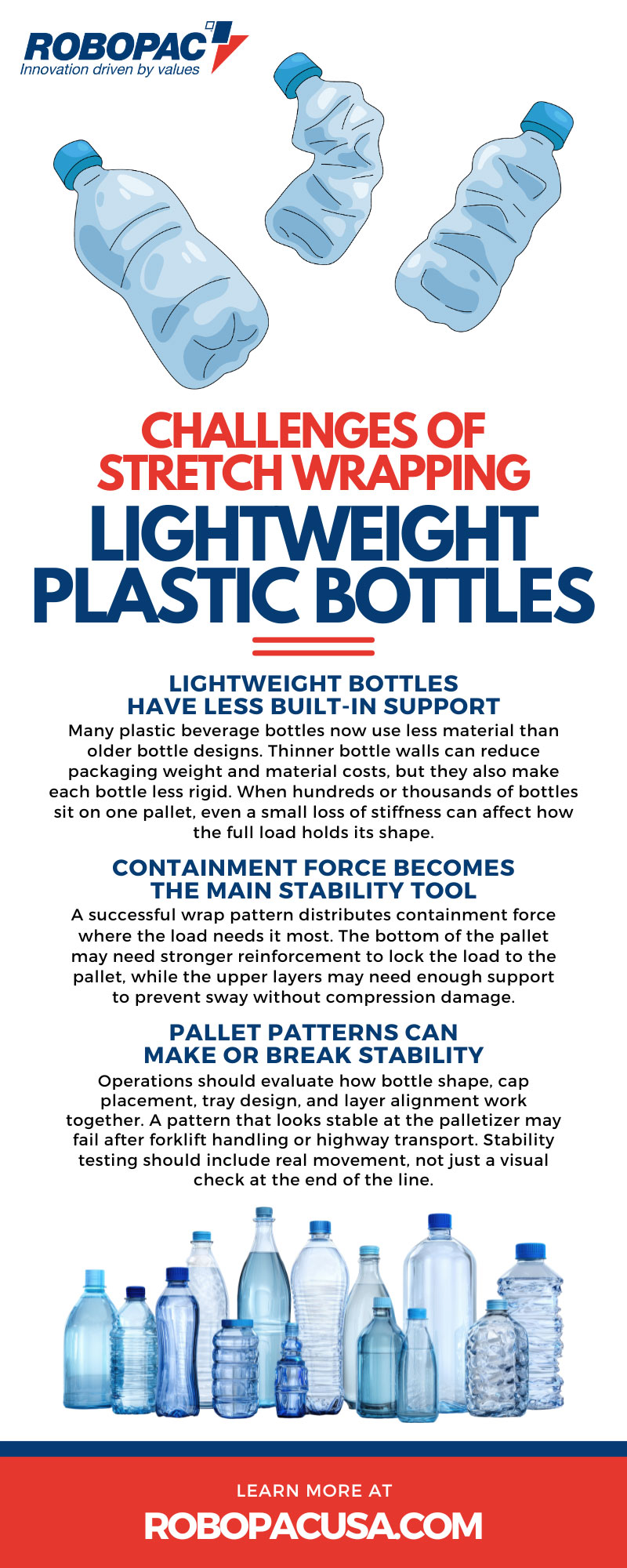
Many plastic beverage bottles now use less material than older bottle designs. Thinner bottle walls can reduce packaging weight and material costs, but they also make each bottle less rigid. When hundreds or thousands of bottles sit on one pallet, even a small loss of stiffness can affect how the full load holds its shape.
The lower layers carry weight from the product above them. If the bottles bend or compress too much, the pallet can settle unevenly. That movement can make the load lean, shift, or arrive with poor presentation at the delivery point.
Case and Tray Changes Add More Complexity
Many beverage operations also reduce secondary packaging materials. Thinner trays, lighter corrugated pads, and film-only multipacks can all change how the load performs. Each reduction removes some structural support that the pallet may have relied on in the past.
When packaging materials provide less stiffness, stretch film must do more of the work. It must help maintain alignment, control movement, and support the load during handling and transportation. That responsibility makes the wrapping process a critical part of product protection.
Containment Force Becomes the Main Stability Tool
Containment force refers to the pressure the stretched film applies to the load. With lightweight bottles, this force must hit a precise range. Too little force allows the load to shift, and too much force can crush bottles, deform packs, or create weak points in the stack.
A successful wrap pattern distributes containment force where the load needs it most. The bottom of the pallet may need stronger reinforcement to lock the load to the pallet, while the upper layers may need enough support to prevent sway without compression damage.
Film Selection Affects Load Performance
Film choice plays a major role in lightweight bottle applications. Gauge, stretch capacity, puncture resistance, cling, and recovery all affect how the load holds together. A film that performs well on dense, square products may not deliver the right balance for bottles that flex under pressure.
Pre-stretch also changes the way film behaves. When the machine stretches film before applying it, the film becomes thinner, tighter, and more efficient.
Pallet Patterns Can Make or Break Stability
The pallet pattern determines how each case, tray, or multipack supports the layer above it. Lightweight bottles create more risk when the pattern leaves voids, uneven pressure points, or unsupported edges. A slight shift in one layer can travel through the pallet and weaken the full load.
Operations should evaluate how bottle shape, cap placement, tray design, and layer alignment work together. A pattern that looks stable at the palletizer may fail after forklift handling or highway transport. Stability testing should include real movement, not just a visual check at the end of the line.
Small Movements Can Create Large Problems
Lightweight bottle loads can lose stability because of small, repeated movements. A single case may shift slightly during conveying, wrapping, loading, or transit. Once that movement changes how one layer contacts another, the pallet can begin to lean, bulge, or collapse.
This risk increases when caps, bottle shoulders, or tray edges no longer align as they should. The load may still leave the facility upright, but it can arrive with visible distortion.
Transportation Conditions Put Loads Under Stress
Transportation conditions are another challenge of stretch wrapping lightweight plastic bottles. A pallet must survive the wrapping process and forklift handling, trailer loading, vibration, turns, braking, uneven roads, and unloading. Lightweight bottles face a greater risk because they offer less resistance to compression and side pressure.
Beverage loads may also move through distribution centers that break down, rebuild, and wrap pallets again. Mixed loads add more variation in height, weight, shape, and edge stability. These conditions make a consistent stretch wrapping process even more important because the load may face several handling environments before final delivery.
Retail Presentation Depends on Load Integrity
Retailers and customers judge products before they open a case or bottle. Sagging, leaning, or bulging loads can make a high-quality product look subpar. Weak load presentation can hurt confidence and create avoidable friction with distributors or retail partners.
Strong load integrity protects more than product value. It protects shelf readiness, brand appearance, and the efficiency of receiving teams. A stable pallet moves through the supply chain with fewer interruptions and fewer manual corrections.
Machine Settings Need Regular Review
Lightweight bottle packaging can change over time. Bottle weights may decrease, tray materials may change, film specifications may shift, and pallet patterns may evolve. When those changes happen, the wrapping settings should not stay frozen in place.
Operators should review wrap force, pre-stretch level, film carriage performance, number of wraps, top and bottom reinforcement, and pallet overwrap. A small adjustment can improve load stability without adding unnecessary film. Consistent documentation also helps teams repeat successful settings across shifts and product formats.
Automation Improves Consistency
Manual wrapping can create major variation from one pallet to the next. Different operators may apply different tensions, overlaps, top wraps, and bottom wraps. Lightweight bottles leave less room for that variation because they react quickly to uneven force.
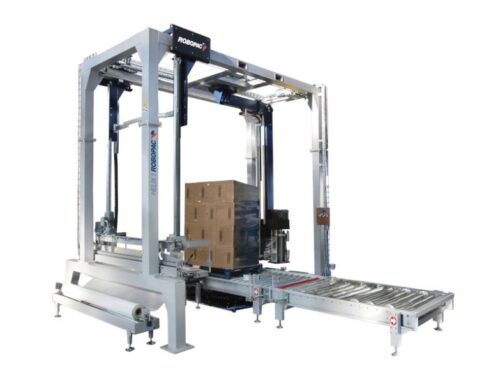
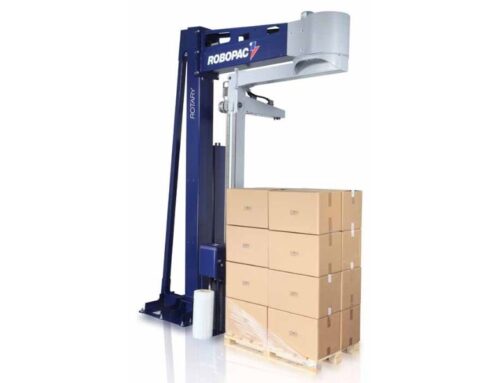
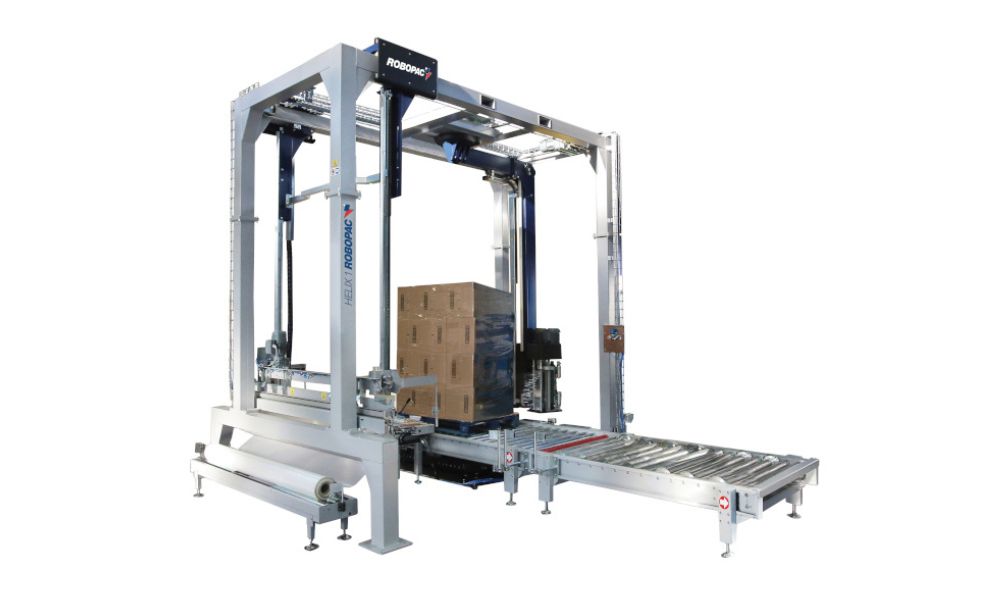
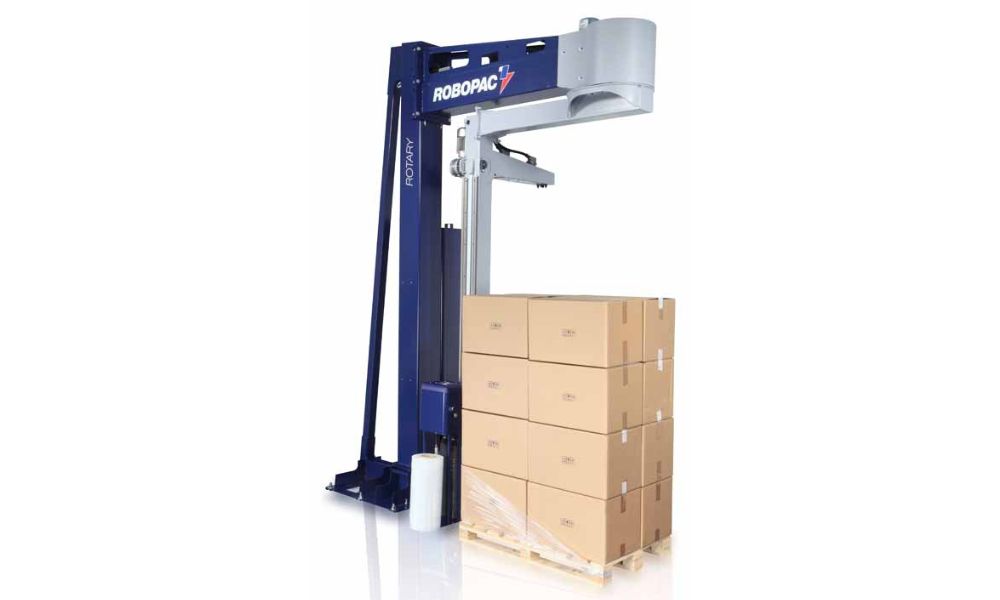
An industrial wrapping machine improves repeatability by applying the same settings across loads. It also helps operations manage throughput, reduce rework, and control film usage.
Consistency Supports Cost Control
Poor wrapping increases costs in several ways. Damage claims, rejected loads, cleanup labor, extra film, downtime, and retailer complaints all reduce profitability. Lightweight bottles magnify these risks because less structural strength remains in the package itself.
A controlled wrapping process helps teams protect products without overcorrecting. Instead of adding material at every layer, the operation can apply the right force in the right places.
Conclusion: Lightweight Bottles Demand a Better Wrapping Strategy
Lightweight plastic bottles create real packaging advantages, but they also place higher demands on stretch wrapping. Lower bottle rigidity, lighter secondary packaging, shifting pallet patterns, and transportation stress all affect load stability.
The best results come from matching film, containment force, machine settings, and testing to the specific product and route. To improve pallet performance and protect lightweight beverage loads, contact Robopac USA to explore stretch wrapping solutions built for demanding end-of-line operations.