
Worker safety is always the priority for any warehouse or distribution center. A safe environment protects your most valuable asset—your employees—and maintains productivity by reducing downtime from accidents.
While training and protocols form the foundation of a safe workplace, automated systems elevate safety standards significantly. Keep reading to understand how automated systems help ensure worker safety.
Reducing Physical Strain and Injury Risks
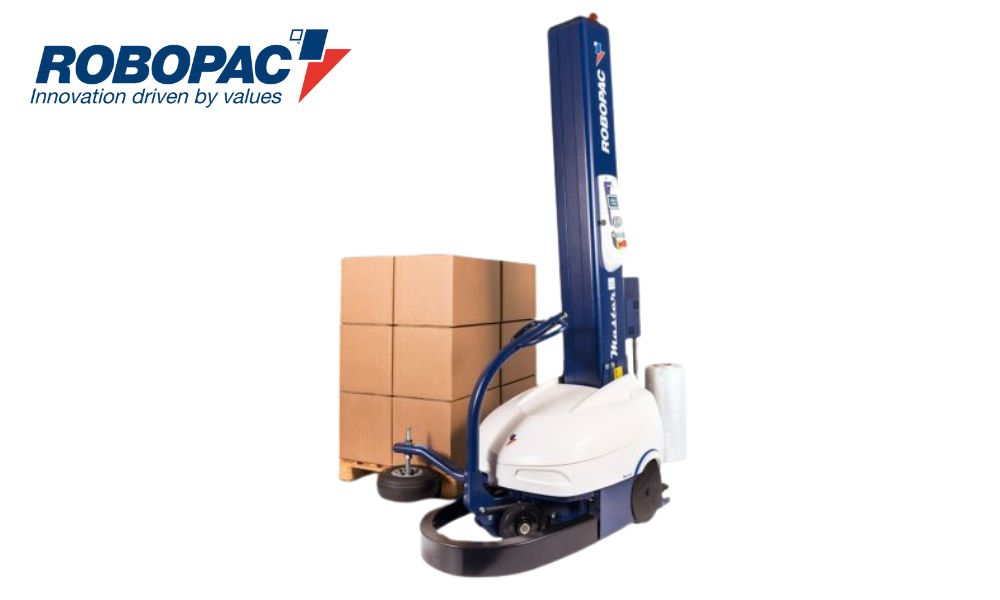
Traditional wrapping methods require workers to bend, twist, and perform awkward motions repeatedly. Over time, these movements contribute to back, neck, and shoulder injuries. Automation removes the need for these motions entirely. Machines handle the wrapping process from start to finish, allowing your team to focus on less physically taxing tasks.
Eliminating Physical Exertion
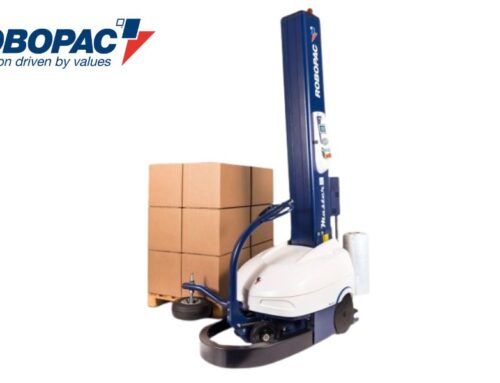
Lifting heavy loads and manually wrapping pallets demands significant physical effort. This exertion can cause fatigue, which increases the likelihood of accidents. Industrial stretch wrap machines free workers from these heavy lifting duties. By preventing strains and fatigue, you maintain a healthier, more alert workforce.
Reducing Forklift Interaction
Getting on and off a forklift repeatedly to wrap loads increases the risk of slips, trips, and falls. With semi-automatic or fully automatic systems, operators stay on their forklifts. They can initiate the wrapping cycle from the driver’s seat or simply drop off the load on a conveyor. This reduction in movement drastically lowers the chance of forklift injury and accidents.
Safety Features in Automated Systems
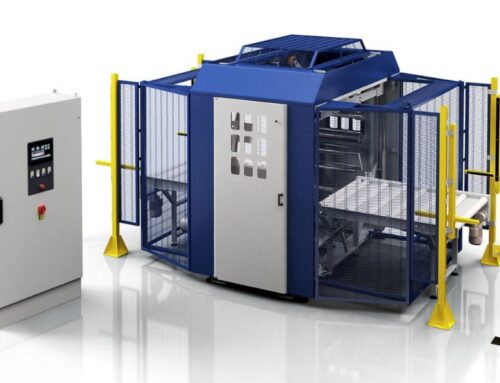
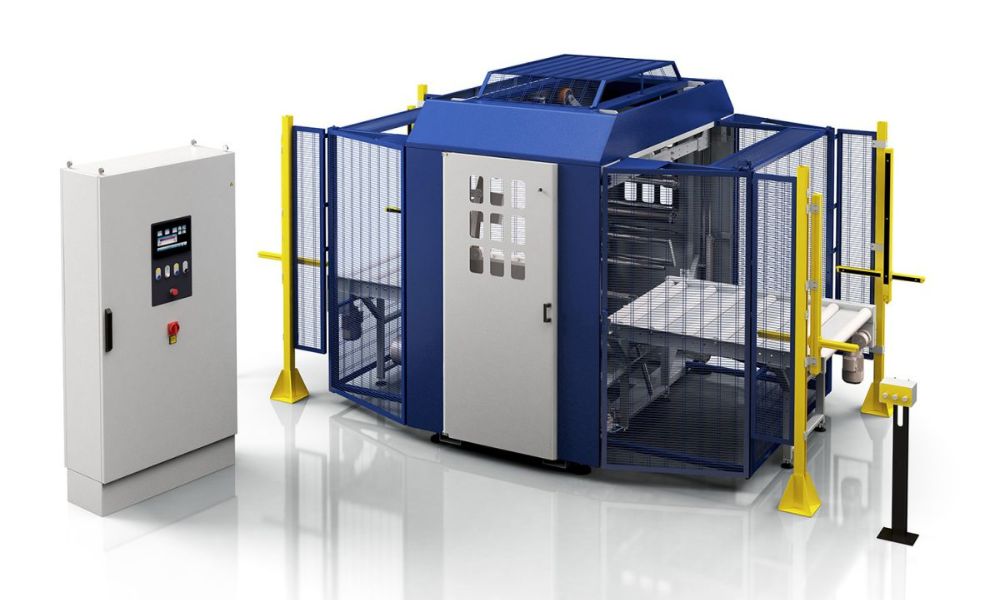
Another way automated systems help ensure worker safety is with their safety features, such as physical barriers. Automated barrier doors create a secure zone around the machine. They contain the wrapping process and block access to dangerous moving components while the machine operates. This separation removes the dangerous possibility of a worker contacting equipment during a cycle.
Presence Sensing
Light curtains and laser scanners provide an invisible layer of protection. These sensors detect when someone enters a hazardous area. If the system senses a person or object in the zone, it stops the machine immediately.
Interlocked Guards
Physical guards prevent access to dangerous parts, such as rotating turntables. Interlocked systems secure these guards while the machine runs. They only open when the machine comes to a complete halt and is safe to approach, preventing accidental exposure to moving parts.
Emergency Stops
Accidents can happen quickly, so immediate control is vital. Easily accessible emergency stops allow operators to halt the machine instantly in any unsafe situation. This manual override gives workers the power to stop operations the moment they identify a potential hazard.
How Automation Makes Work Safer
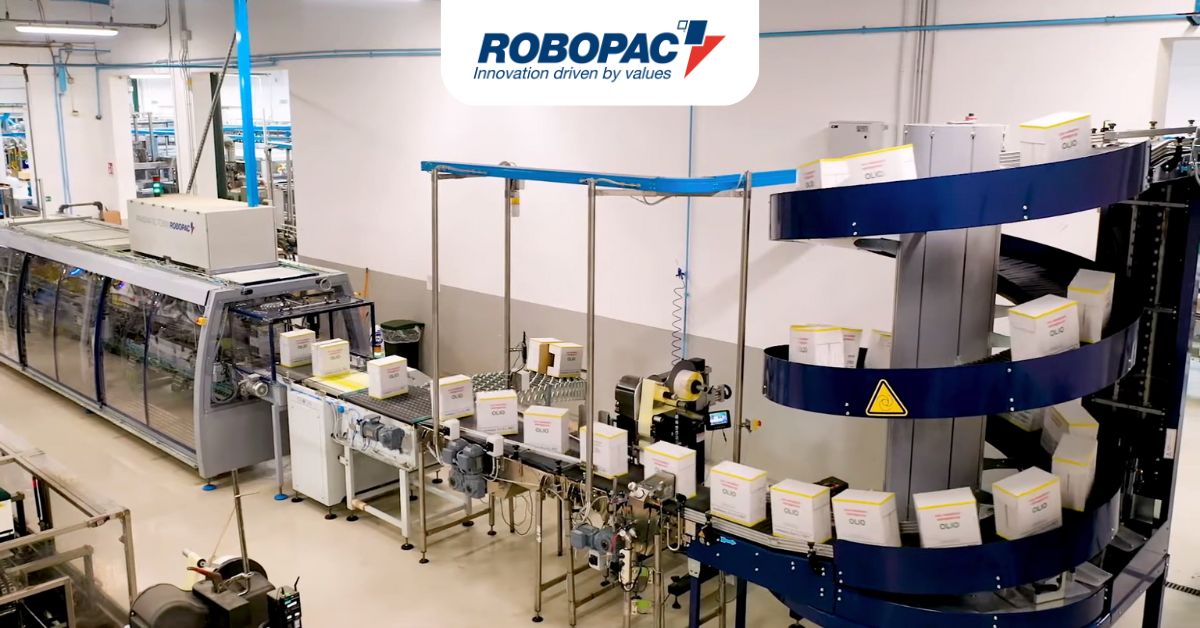
In a fully automated setup, sensors detect the pallet as it arrives on the conveyor. The machine automatically applies film with consistent tension without any manual input. This touchless operation removes the operator from the immediate vicinity of the moving load.
The machine wraps the pallet using precise, controlled motions. If safety features detect a person or obstruction, the system stops. After wrapping, the pallet moves out via conveyor for staging or loading without any manual loading necessary.
Increase Worker Safety with Robopac USA Automation
Automation transforms warehouse safety by eliminating physical strain and integrating advanced protective features. Investing in automated systems demonstrates a commitment to your employees’ well-being while optimizing your operations for long-term success. If you’re interested in stretch wrap automation, contact Robopac USA today.