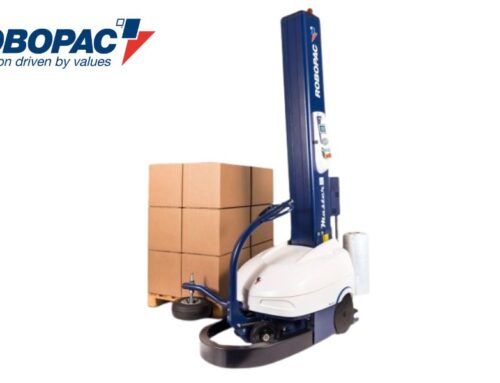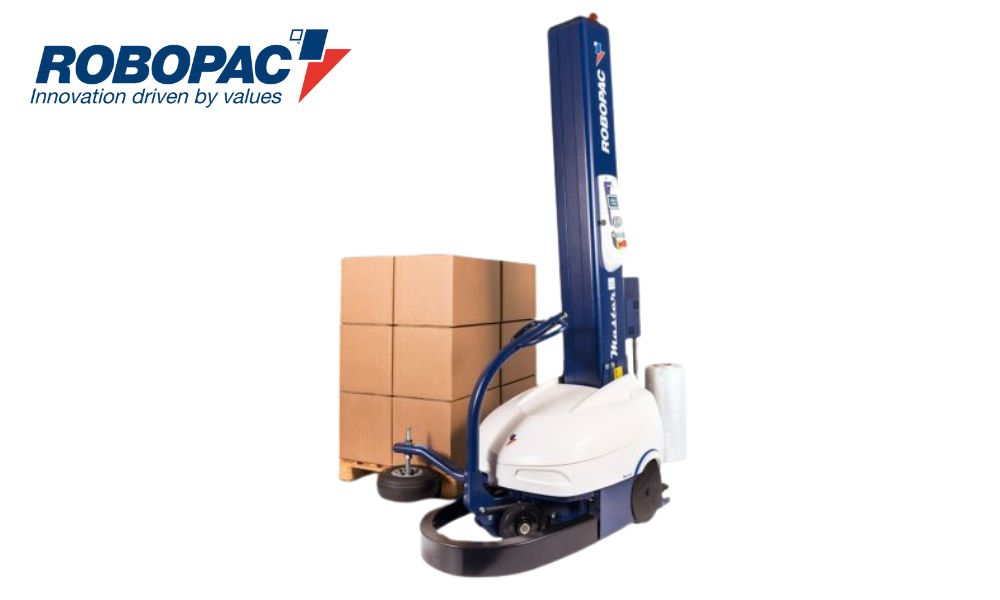
Stretch wrapping serves as the backbone of modern shipping and logistics. This process involves unitizing products onto a pallet with stretch film to ensure safe delivery to the destination. However, simply applying plastic to a pallet does not guarantee a safe arrival.
Ineffective wrapping can damage goods, dissatisfy customers, and create excessive waste. To protect your products and your bottom line, you must master the fundamental practices of effective load containment. This guide outlines the dos and don’ts to remember when stretch wrapping pallets.
The Dos of Effective Stretch Wrapping
You should always prioritize high-quality stretch wrap film. While economy options might look attractive on a spreadsheet, performance films offer superior stretch capabilities and tear resistance. High-quality film more easily achieves the necessary containment force, which is the total squeezing pressure the film exerts on the load.
Proper Threading and Machine Maintenance
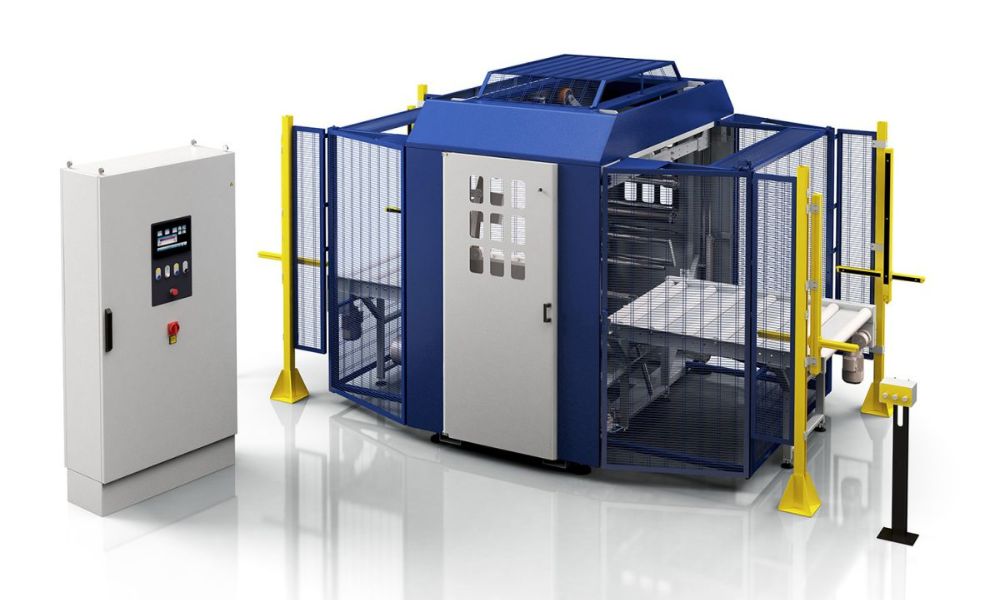
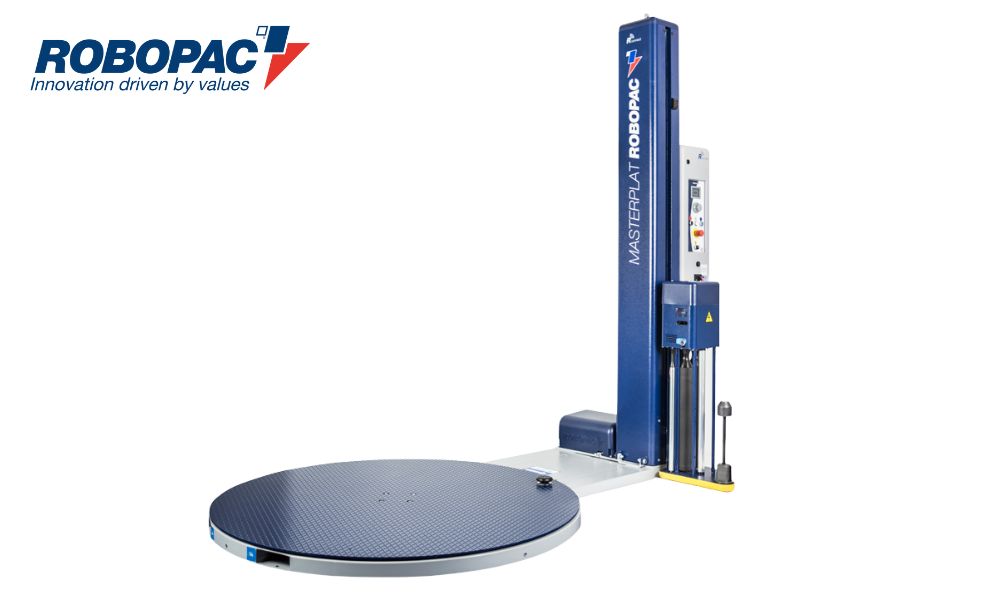
Proper machinery maintenance and operation are equally critical. For automatic and semi-automatic pallet wrapping machines, operators must know how to thread the film correctly through the delivery system. Improper threading remains a primary cause of film breaks and downtime. Technicians must also maintain their stretch wrappers regularly. Keep the film contact surfaces clean and free of nicks, cuts, or resin build-up, as these imperfections can snag and tear the film during application.
Inspect Before Wrapping
Lastly, inspect the loads before wrapping. You should check for sharp corners or protrusions on the pallet. These physical hazards account for many film breaks at the load.
The Don’ts of Pallet Wrapping
Now that we understand the dos of stretch wrapping pallets, what about the don’ts? Film breaks and containment force are both examples of common mistakes in stretch wrapping that you must avoid.
Overlook Film Breaks
Film breaks are the number one problem in stretch wrapping and can trigger a disastrous chain of events. Check if the film is appropriately threaded, look for nicks in the roll that dropping or mishandling it may cause, and confirm that the wrap force settings are correct for the load profile.
Underestimate the Importance of the Containment Force.
Never overlook the significance of a containment force. Many operations make the mistake of focusing solely on the number of wraps rather than the actual force they are applying. Without sufficient containment, layers can shift or slide off the pallet when the shipment encounters potholes, sharp turns, or sudden stops.
Stretch Wrap Pallets with Robopac USA
Adhering to these guidelines ensures your products arrive safely and at the lowest effective cost. By focusing on fundamentals like proper containment force and equipment maintenance, you protect your inventory from the damaging effects of vibration and transit stress.
If your current machinery struggles to meet these standards, it may be time to evaluate your equipment. Contact Robopac USA to learn about our superior stretch wrapping solutions and how they can enhance your packaging process.