In the highly competitive beverage industry, every second counts. A halt in production doesn’t just stop the bottles from moving; it stops revenue generation, disrupts supply chains, and can even compromise product integrity. For logistics and packaging coordinators, the goal is always clear: maximize throughput while maintaining impeccable quality.
However, achieving high-speed, uninterrupted production requires more than just buying the fastest machinery—it demands a rigorous, strategic approach to maintenance. This guide explores actionable strategies to reduce downtime in beverage line packaging, ensuring your operation remains efficient, profitable, and reliable.
The High Cost of Unplanned Downtime
The beverage industry faces unique packaging challenges. High speeds, heavy loads, and the constant presence of liquids create an environment that pushes machinery to its limits. Unlike other manufacturing sectors, where a brief pause might be manageable, a stop in a beverage line can create immediate issues such as spoilage, pressure buildup in carbonated lines, or hygiene risks.
Robopac USA specializes in end-of-line packaging and has been providing solutions for the industry since 1987. In that time, we’ve witnessed firsthand how downtime impacts the bottom line. We understand that high-speed, high-quality packaging is non-negotiable.
When equipment fails unexpectedly, the costs extend beyond repairs. You face overtime labor costs, missed shipment deadlines, and the potential waste of raw materials. Therefore, shifting from reactive repairs to proactive maintenance is not just a technical necessity; it is a financial imperative.
Key Maintenance Practices for Beverage Lines
To reduce downtime in beverage line packaging requires a maintenance strategy with proactive, actionable practices. This requires a granular review of the components of your beverage packaging line.
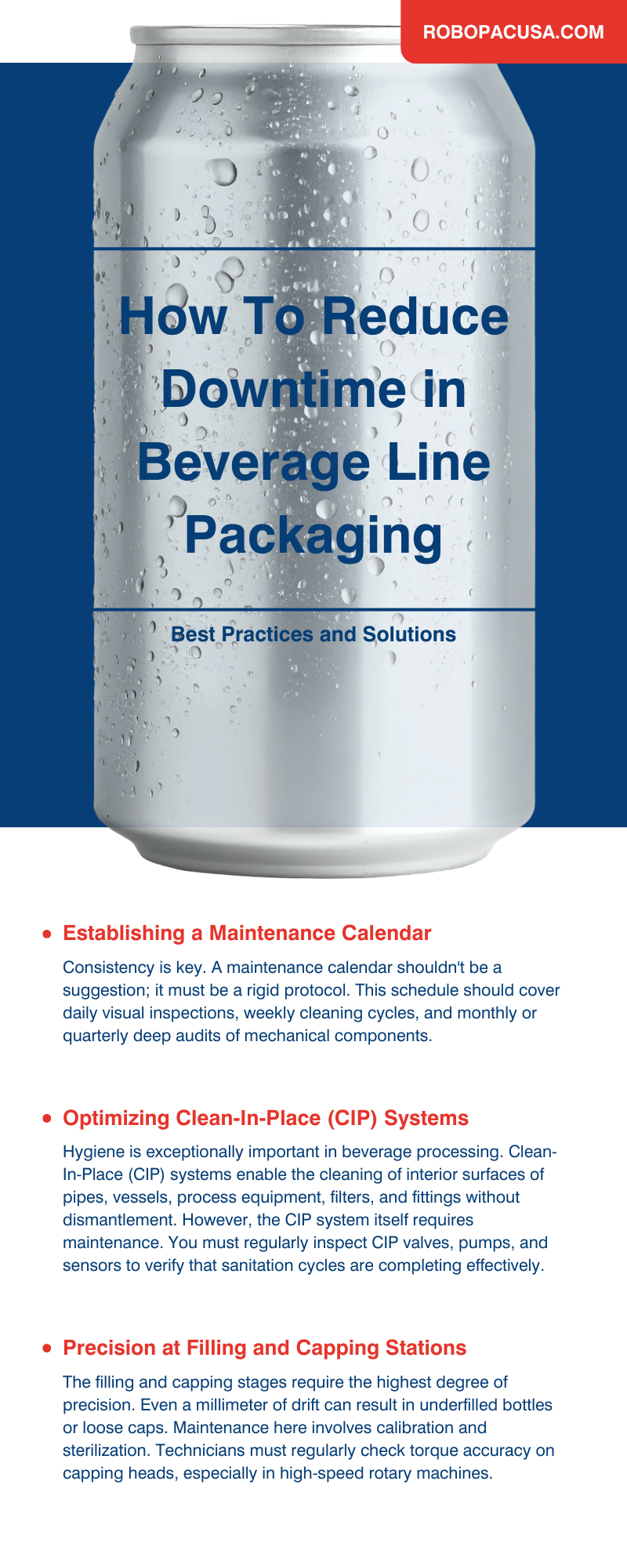
Establishing a Maintenance Calendar
Consistency is key. A maintenance calendar shouldn’t be a suggestion; it must be a rigid protocol. This schedule should cover daily visual inspections, weekly cleaning cycles, and monthly or quarterly deep audits of mechanical components. By adhering to manufacturer guidelines and adjusting based on your specific throughput volume, you guarantee that your team doesn’t neglect any parts of the line.
Optimizing Clean-In-Place (CIP) Systems
Hygiene is exceptionally important in beverage processing. Clean-In-Place (CIP) systems enable the cleaning of interior surfaces of pipes, vessels, process equipment, filters, and fittings without dismantlement. However, the CIP system itself requires maintenance.
You must regularly inspect CIP valves, pumps, and sensors to verify that sanitation cycles are completing effectively. If a CIP system malfunctions, you risk bacterial contamination, leading to significant product loss and potential recalls. Confirming that these automated cleaning systems are fully functional is a critical step in maintaining both uptime and regulatory compliance.
Conveyor System Upkeep
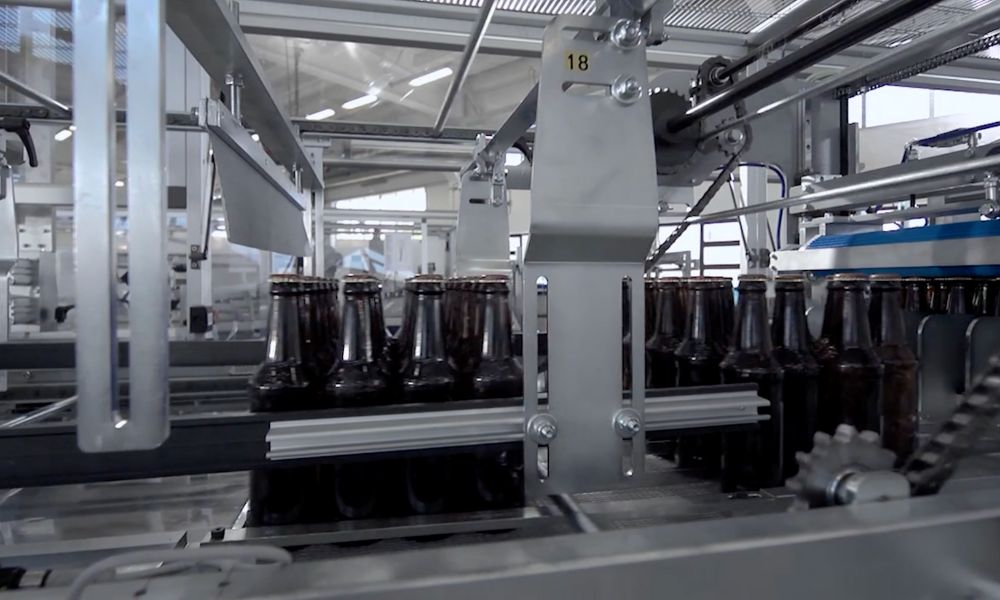
Conveyors are the arteries of your packaging line. They endure constant friction and weight. Common issues include belt slippage, chain elongation, and roller seizure.
- Tension and Alignment: Regularly check the tension of belts and chains. Loose belts slip, causing timing issues, while overly tight belts wear out bearings prematurely.
- Roller Inspection: Verify that the rollers spin freely. A seized roller creates drag, increasing the motor load and potentially damaging the product.
- Lubrication: Follow a strict lubrication schedule for chains and bearings to reduce friction and heat buildup.
Precision at Filling and Capping Stations
The filling and capping stages require the highest degree of precision. Even a millimeter of drift can result in underfilled bottles or loose caps. Maintenance here involves calibration and sterilization.
Technicians must regularly check torque accuracy on capping heads, especially in high-speed rotary machines. Beverage lines must replace seals and gaskets preemptively to prevent leaks that could contaminate the machine’s internal mechanics.
Leveraging Advanced Maintenance Systems
Modern manufacturing has moved beyond manual checklists. To minimize downtime, beverage producers must embrace technology that provides visibility into their equipment’s health.
Predictive Maintenance with Sensors
Predictive maintenance represents the gold standard in asset management. By installing sensors on critical motors and drives, you can monitor variables such as vibration and temperature fluctuations in real time.
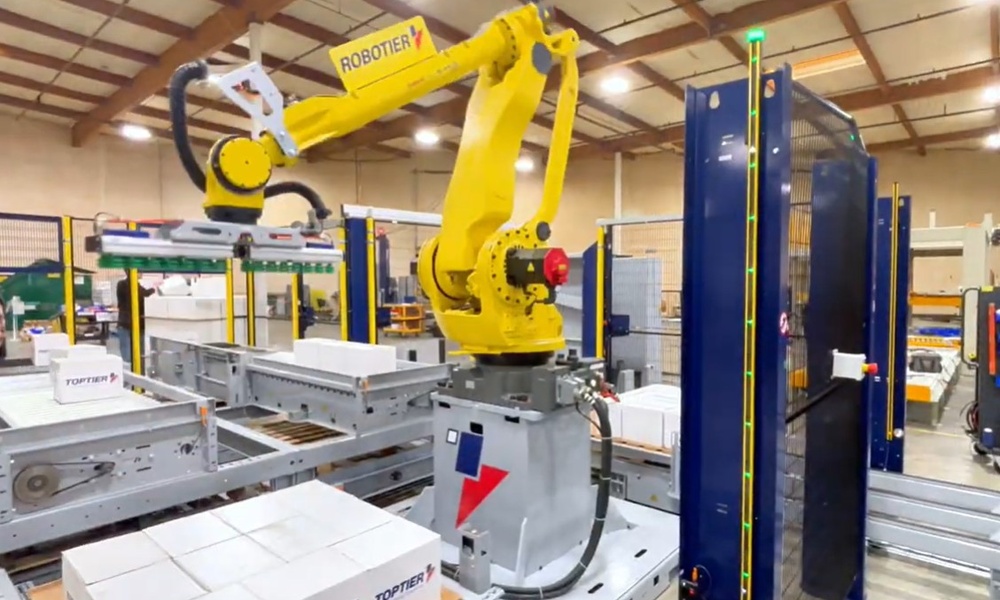
For example, a sudden increase in vibration on a palletizer motor often indicates a bearing defect weeks before the motor fails. This data allows your team to order the replacement part and schedule the repair during a planned changeover, altogether avoiding unplanned downtime.
Computerized Maintenance Management Systems (CMMS)
A CMMS is the central nervous system of your maintenance department. It moves maintenance tracking from whiteboards and spreadsheets to a centralized digital platform.
A robust CMMS helps you track the service history of every asset, automate work orders based on time or usage intervals, and manage your spare parts inventory to ensure critical items are always in stock. It also allows you to analyze downtime data to find chronic issues or “bad actors” in your line.
Ongoing Technical Training
Technology is only as good as the people using it. As packaging machinery becomes more automated and digitized, the skill set necessary to maintain it evolves.
Beverage manufacturers must invest in continuous training for their technicians. They need to be proficient not just in mechanical repairs, but in digital diagnostics and understanding PLC logic. A highly skilled team can diagnose a fault code in minutes, whereas an untrained team might take hours of trial and error.
Strategic Spare Parts Management
Supply chain delays affect spare parts just as much as raw materials. One of the most preventable causes of extended downtime is waiting for a part to arrive while the machine sits idle.
You should conduct a criticality analysis of your spare parts. It’s best practice to keep high-wear items—such as gaskets, bearings, sensor cables, and cutting blades—in on-site inventory. For expensive, long-lead-time components like main drive motors or gearboxes, consider the cost of holding inventory versus the potential downtime. Partnering with reliable suppliers who offer expedited shipping and maintain robust inventories is also a crucial risk-mitigation strategy.
Advanced Solutions from Robopac USA
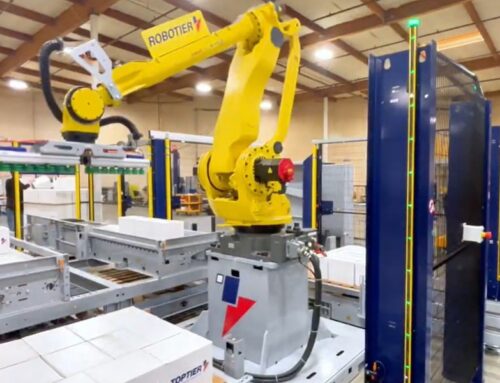
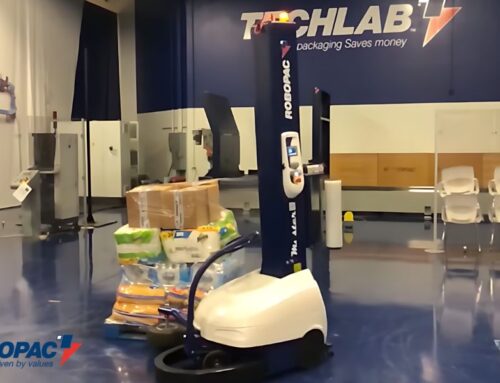
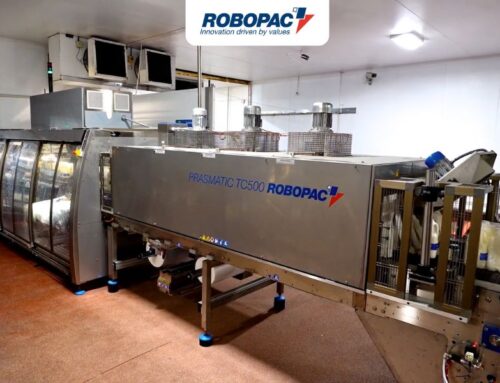
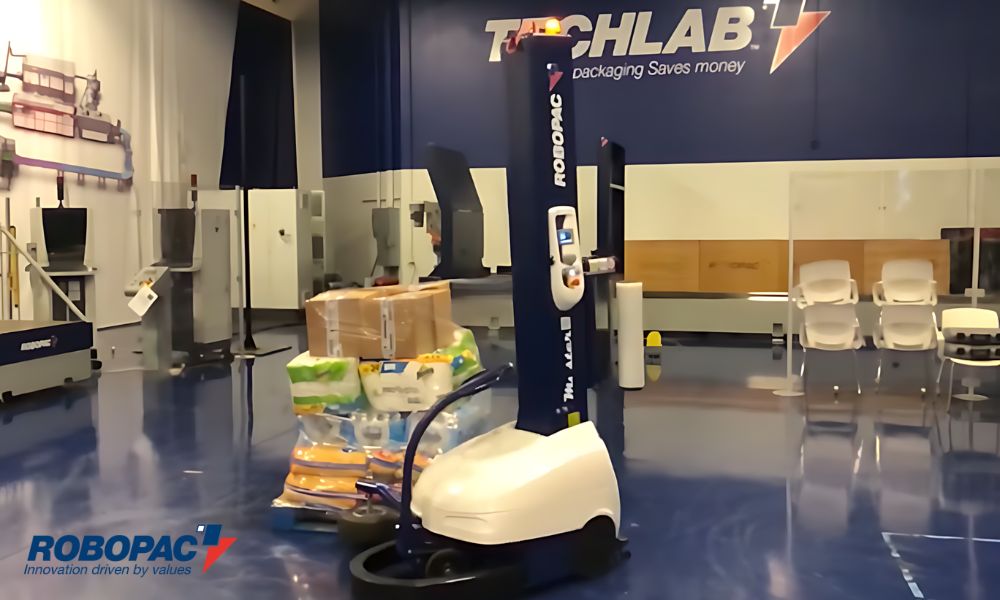
Robopac USA offers end-of-line beverage packaging equipment specifically for the rigorous demands of the beverage industry. Our high-speed shrink wrapping machines can handle up to 150 cycles per minute, while our Helix automatic stretch wrappers secure over 200 palletized loads per hour. Features like our stretch wrappers’ Cube Technology™ reduce film usage significantly and apply the exact containment force the load requires, preventing film breaks that cause machine stoppages and damage to your products.
Automation and flexibility are also key to maintaining uptime. Our SACMI depalletizers offer incredible adaptability, allowing you to switch between different bottle sizes or pallet configurations with minimal adjustment time, keeping your line moving even when production varies.
Securing Your Production Line
Decreasing lost time in beverage line packaging is a multifaceted challenge that requires a combination of disciplined maintenance practices, advanced monitoring technology, and high-quality machinery. By implementing regular inspections, utilizing predictive data, and managing spare parts effectively, you protect your operation from the high costs of inefficiency.
At Robopac USA, our commitment is to be your partner in this journey. Our beverage stretch wrapping equipment and end-of-line solutions deliver the reliability and speed your industry demands. If you are ready to upgrade your facility with machinery that prioritizes uptime and efficiency, we invite you to learn more about our solutions.