Lean packaging is not about doing more with less at any cost. It is about removing what does not help production, protecting flow, and building a process that supports speed, consistency, and control. A lean packaging workflow helps teams reduce delays, limit waste, and keep products moving through the line with fewer disruptions. It gives operators clearer standards, gives managers better visibility, and makes it easier to improve the process over time.
When the end of the line runs smoothly, the rest of the operation feels the benefit. Keep reading for our tips on creating a lean packaging workflow for your operation.
Start by Defining Value in the Workflow
The first step in creating a lean packaging workflow is deciding what value looks like on your line. In most packaging environments, value means moving products safely, correctly, and efficiently from production into finished loads that are ready for shipment. Question anything that slows that outcome without improving it.
That means teams must look beyond individual machines and evaluate the full sequence of work. A fast case packer does not create a lean workflow if pallets back up downstream. A strong stretch wrapper does not solve the problem if loads arrive inconsistently or labeling errors force rework before shipping.
Identify Waste Across the Entire Packaging Line
Waste does not always look dramatic. In many facilities, it shows up in small delays that teams accept as normal. A minute lost here and another there can add up to major production loss over the course of a shift.
In a packaging workflow, waste can appear as extra material handling, frequent adjustments, slow changeovers, poorly staged supplies, inconsistent load building, or unclear operator responsibilities. It can also show up when machines keep running, but the line itself is not moving product efficiently.
Look for Waiting, Motion, and Rework
Waiting is one of the clearest signs that a workflow needs improvement. If operators stand by for upstream product, maintenance support, approvals, or material replenishment, the process is not flowing the way it should. Every delay creates ripple effects that hurt throughput.
Excess motion is another common issue. When workers walk back and forth for film rolls, labels, tools, or paperwork, the layout is working against them. Rework has the same impact because it pulls labor and time away from productive tasks.
Build Flow Instead of Managing Around Bottlenecks
Many packaging operations fall into the habit of managing around bottlenecks instead of fixing them. Teams acclimate to certain slow points and create workarounds to keep the shift moving. While that may feel practical in the moment, it usually locks inefficiency into the process.
A lean packaging workflow aims for a steady, reliable flow. Products should move from one stage to the next without unnecessary stops, pileups, or manual intervention. That requires balancing equipment performance, labor allocation, and line layout so one point in the process does not disrupt everything.
Focus on the Hand-Offs Between Steps
Flow problems frequently happen between machines rather than inside them. Cases may leave one machine at the wrong rate for the next one. Pallets may arrive in inconsistent patterns that slow wrapping or palletizing. Operators may use different methods from shift to shift, which creates avoidable variation.
Another tip for creating a lean packaging workflow is to improve those hand-offs to unlock major gains. Standard infeed conditions, clear transfer zones, and consistent load presentation help downstream equipment perform the way it should. Once those transitions become predictable, the line becomes easier to manage and easier to improve.
Reduce Downtime by Making Work Simpler
Lean workflows depend on uptime. If machines stop regularly, the process cannot stay lean, no matter how good the line design is. That is why simplicity matters so much in packaging operations.
Equipment and procedures should support fast learning, quick response, and smooth daily use. Operators should know what normal looks like and what to do when something changes. Maintenance teams should have clear access to common wear points and troubleshooting paths.
Standardize Routine Tasks
Standard work is one of the strongest tools in a lean environment. It creates consistency without making the operation rigid. When teams follow the same best-practice sequence for startup, replenishment, inspection, changeover, and shutdown, the workflow becomes more stable.
Standardization also makes improvement easier. If everyone runs the process differently, it becomes hard to identify the source of problems. Consistent processes allow managers to see where performance drops, so they can correct it faster.
Create Clear Standards for Operators and Managers
Lean packaging workflows do not improve through technology alone. They improve when people understand expectations and have a reliable system to follow. Clear standards reduce confusion, support training, and help teams solve the right problems.
Managers should define what success looks in the workflow. That includes line speed targets, acceptable load quality, replenishment timing, inspection checkpoints, and response steps for common interruptions. Operators should not have to guess which issue matters most or which fix comes first.
Make Visual Control Part of the Process
Visual control helps everyone read the workflow in real time. Floor markings, labeled storage areas, machine status indicators, and simple performance boards can show whether the line is running as it should. When conditions are visible, teams can act faster and with more confidence.
This matters in fast-paced packaging environments because hidden problems become expensive problems. Missing materials, loads waiting in the wrong zone, and other recurring issues that create inefficiencies. Visual management helps prevent that drift.
Use Continuous Improvement to Keep the Workflow Lean
A lean packaging workflow is not something a company installs once and leaves alone. It requires regular checking, adjustment, and follow-through. The best workflows improve because teams keep studying performance and making targeted changes.
Start with a plan, test it on the line, measure the result, and adjust based on what the team learns. Then repeat. Over time, small changes can produce significant gains in throughput, quality, and labor efficiency.
Connect Lean Workflow Goals to Equipment Decisions
Packaging equipment should support the workflow, not force the workflow to adapt around limitations. That is especially important when a manufacturer is adding automation, replacing older machinery, or trying to improve line consistency.
The right system should fit the product, the output goals, and the plant’s operating conditions. It should also make daily work easier by simplifying operations, supporting repeatable performance, and reducing preventable stops. That is where working with a knowledgeable partner becomes valuable.
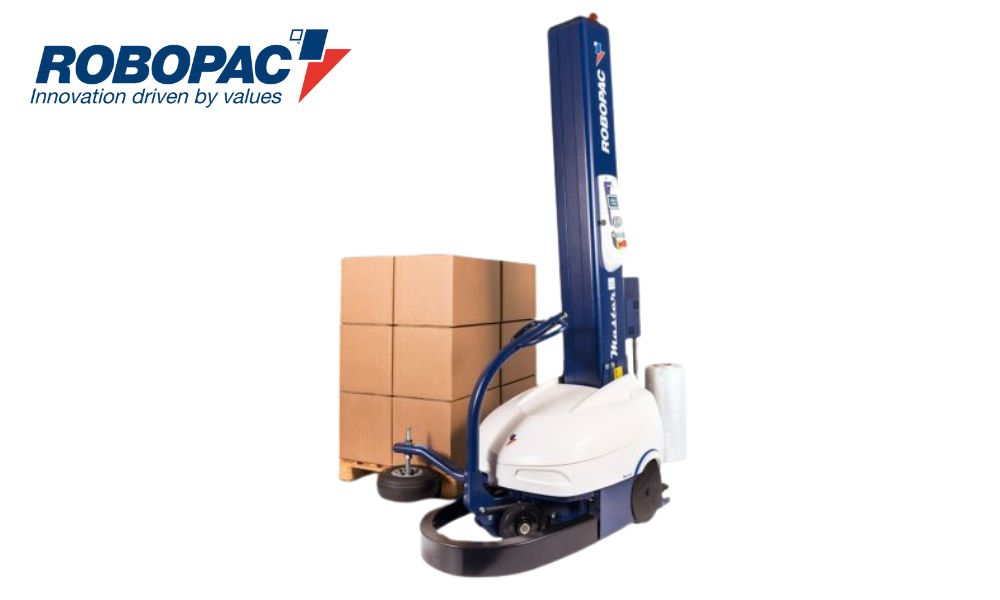
Robopac USA helps manufacturers evaluate packaging challenges with a focus on real operating needs, not generic recommendations. For companies looking to improve throughput, reduce waste, and build a more reliable end-of-line process, that kind of alignment matters. From beverage packaging equipment to automatic stretch wrappers, we can help you find the ideal machinery for your operation.
A Lean Packaging Workflow Supports Long-Term Performance
Lean packaging is not just a method for cutting costs. It is a practical way to create a workflow that performs with greater consistency and less friction. When teams reduce waste, improve flow, standardize work, and keep refining the process, the packaging line becomes stronger at every level.
If you want high-quality machinery to make your operation workflow leaner, Robopac USA is here to help. Learn more about our equipment online, or contact our staff to speak with an expert today.