Buying a stretch wrapping machine is not just a packaging decision. It is an operations decision that affects labor, load stability, film usage, throughput, and the condition of every pallet that leaves your facility. The right machine helps create more consistent loads, reduces handling issues, and supports smoother end-of-line performance.
Many buyers start by comparing price tags, but that approach leaves out the bigger picture. Keep reading for a complete buyer’s guide to stretch wrapping machines.
Start With Your Load and Production Requirements
The first question is simple: what are you wrapping? Load size, height, weight, shape, and stability all influence machine selection. A tall but narrow pallet behaves differently from a short, dense load. Lightweight or irregular products may need a wrapping method that minimizes load movement during the cycle, while heavier and more uniform pallets may allow for more machine options.
Production volume matters just as much. A low-volume operation may be able to tolerate pauses between loads, but a busy facility cannot afford bottlenecks at the end of the line. When output targets are high, machine speed, automation level, and material handling flow become critical parts of the purchase decision.
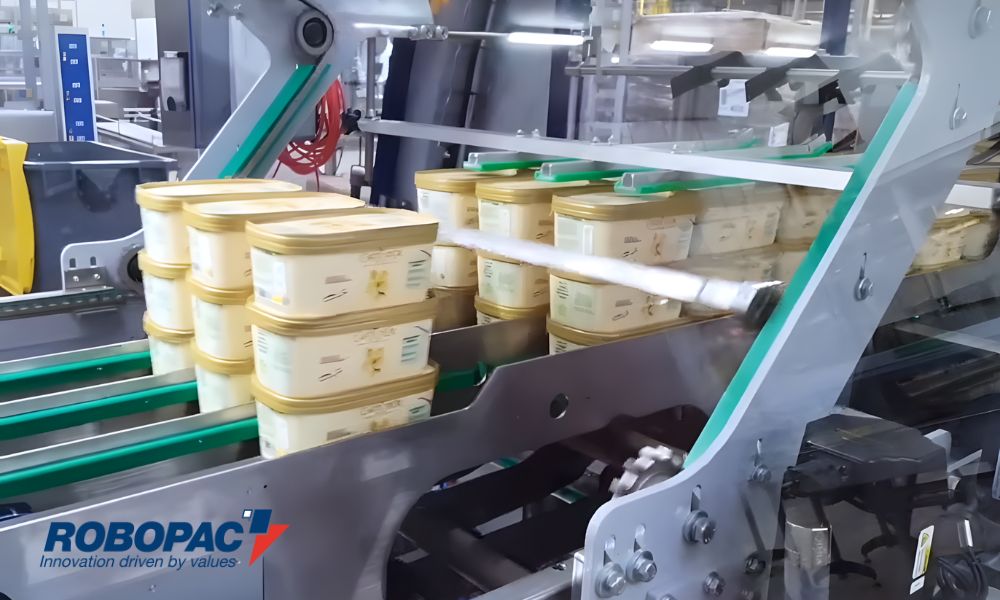
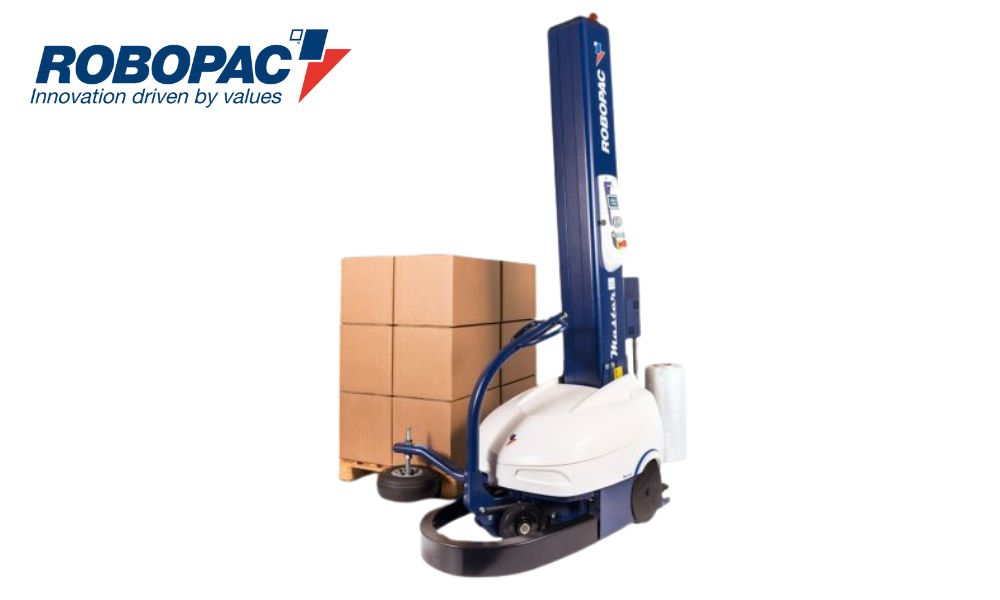
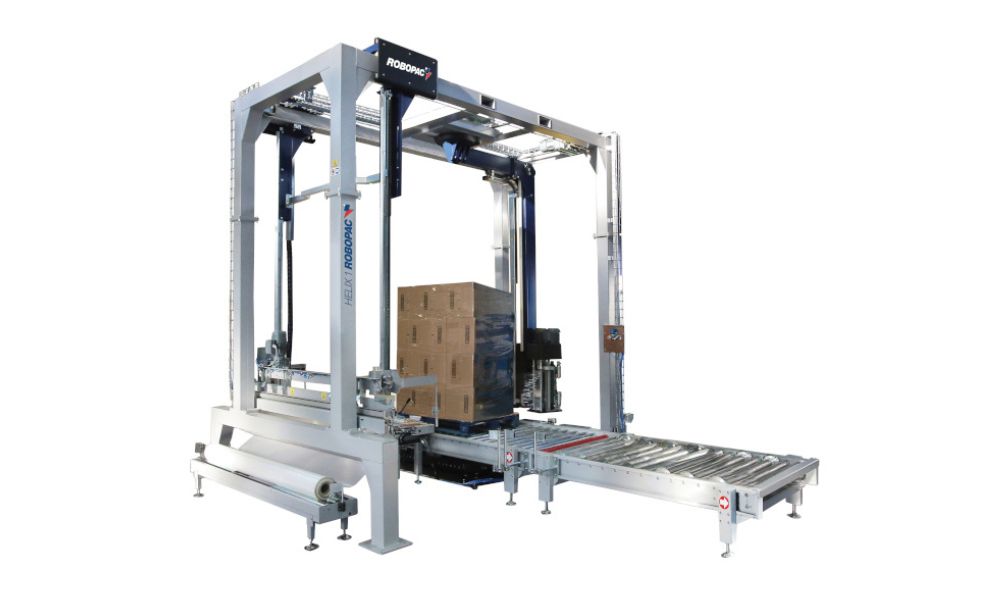
An automatic stretch wrapper makes the most sense when your operation needs repeatable performance, higher throughput, and tighter integration with the rest of the line. Automatic systems are typically conveyorized and designed to support a wide range of production volumes, which makes them a strong fit for facilities that need speed, consistency, and reduced manual handling.
Understand The Main Machine Categories
Not every stretch wrapper works the same way. The best choice depends on how your load behaves during wrapping and how your line moves product.
Turntable Machines
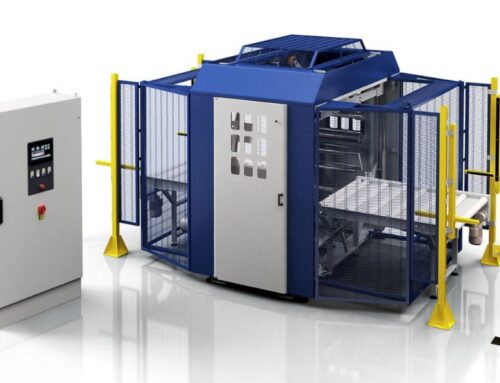
Turntable automatic wrappers rotate the pallet while the film carriage moves up and down. These machines are a practical entry point into automation because they provide a compact and efficient solution for many standard applications. They suit facilities that want automated wrapping without moving immediately into the most complex or highest-speed system.
This design works best when the load can rotate without shifting or collapsing. If your pallets are stable and consistently built, a turntable machine may deliver the performance you need with a smaller footprint and a straightforward operating concept.
Rotary Arm Machines
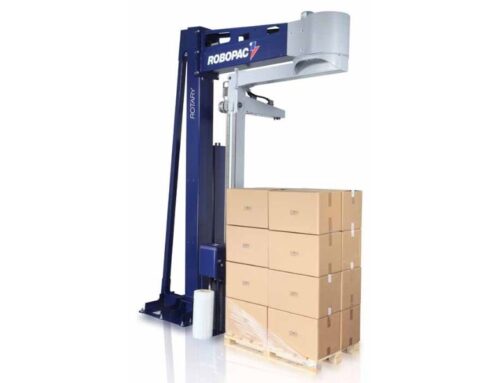
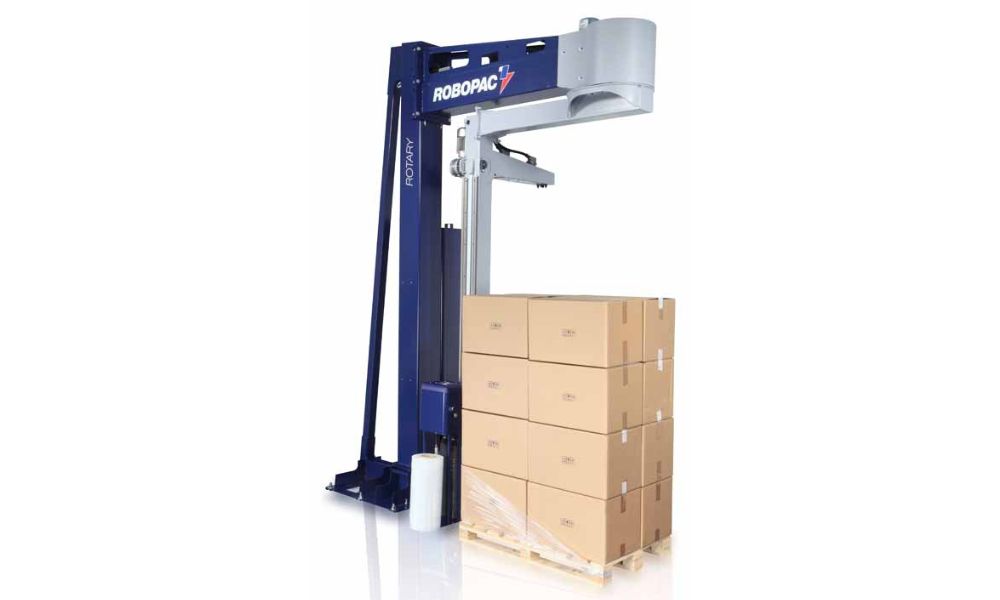
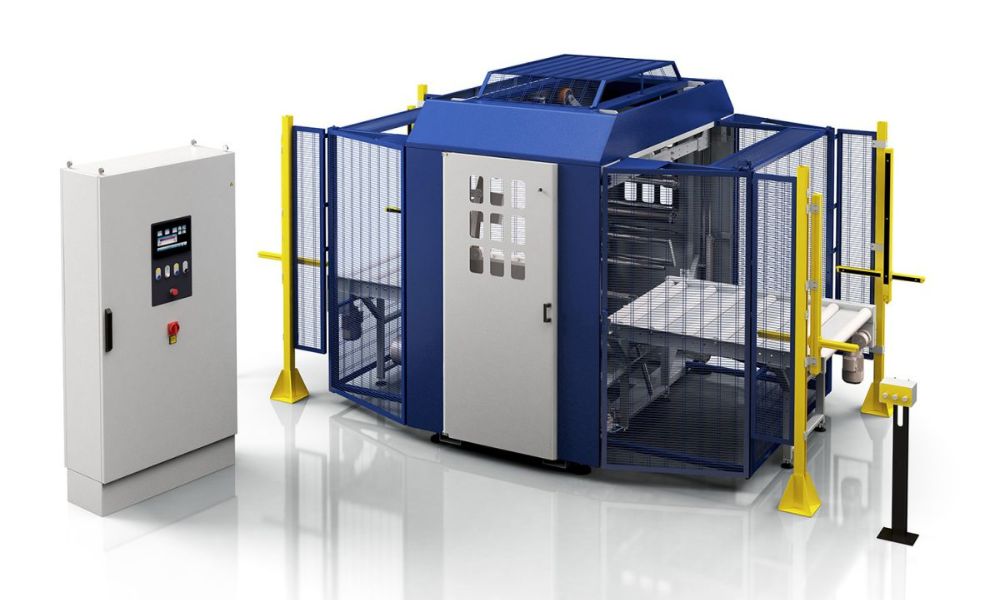
Rotary arm machines keep the load in place while the wrapping arm rotates around it. This design suits lightweight, unstable, or irregular pallets because it reduces the risk created by spinning the load itself. For buyers dealing with delicate stacking patterns, bags, soft products, or loads with shifting centers of gravity, this category deserves close attention. It gives you the speed benefits of automation while protecting products that do not tolerate rotation well.
Rotating Ring Machines
Rotating ring wrappers are for high-speed applications and flexible cycle performance. Facilities choose these machines when throughput is a top priority, and the wrapping station must keep pace with a fast production environment. This category makes sense for facilities that need maximum output and a machine platform built for demanding schedules. When speed and uptime drive the buying decision, rotating ring machines usually belong on the shortlist.
Evaluate The Load, Not Just the Machine
One of the most common buying mistakes is focusing on the machine before defining the load. The better approach is to treat the load as the starting point. Machine style, film setup, wrap pattern, and automation features should all support stable, repeatable load containment.
Pallet dimensions are a major factor. If your loads extend beyond standard pallet size, you may need a larger wrap zone or a different machine configuration. Height matters too, because taller loads can require additional wrap height capacity or different stabilization methods. The same applies to extreme load weights, whether very light or very heavy, because those conditions affect how the machine applies film and how the load responds during wrapping.
Ask The Right Questions Before You Buy
The strongest buyers are not the ones who memorize model numbers. They are the ones who walk into the process with clear answers about their operation. A good supplier should ask precise questions because machine selection depends on the realities of your line, not a generic category label.
Start with the basics:
- What product are you wrapping now, and how do you wrap it today?
- How many loads move through the line in a shift, an hour, or a day?
- Are you dealing with shipping damage, unstable loads, or inconsistent wrap quality?
Then move into physical and operational details:
- What pallet sizes do you use?
- How tall are your loads?
- What are the lightest and heaviest pallets the machine will see?
- Will a forklift or pallet jack load the wrapper?
- Will the system need to connect with conveyors or upstream and downstream equipment?
These are the questions that shape a realistic recommendation.
Look Beyond Speed to Total Performance
Speed gets attention because it is easy to compare, but it does not tell the full story. A wrapper that runs fast but creates film waste, inconsistent containment, or frequent interruptions will not improve the line the way you expect. Total performance comes from balancing throughput with reliability, ease of use, and load quality.
Film management is part of that equation. The machine must work with the right film characteristics and apply that film with enough control to secure the load without creating unnecessary waste. Wrap force, wrap counts, overwrap, carriage performance, and rotation speed all influence the result. Improper settings can break film, destabilize pallets, and cause higher material costs.
Ease of operation matters too. A system that is hard to thread, difficult to adjust, or confusing to run can slow down productivity even when the equipment itself is capable. Automation should simplify the operator’s job, reduce unnecessary manual steps, and support repeatable results across shifts.
Plan For Integration, Support, and Growth
The best stretch wrapper is not just the one that fits today’s output. It is the one that supports your operation as volume changes, product mix evolves, and line demands increase. A machine should fit your current application without boxing you into limitations a year from now.
That means looking at the broader system. Consider how pallets enter and exit the wrap zone, where operators interact with the machine, and whether the wrapper needs to work as a standalone station or as part of a larger automated line. Review floor space, traffic flow, and safety around the wrapping area before the purchase becomes final.
Support planning should happen early as well. Operators need training. Maintenance teams need access to the right parts and service knowledge. Production leaders need confidence that the system can stay online and deliver repeatable results under daily pressure.
Make a More Informed Buying Decision
Now that you’ve read our complete guide to stretch wrapping machines for buyers, you’re ready to find the ideal machine for you and your operation. The most effective buying process starts with practical questions and ends with a solution built around real operating conditions. If your team is ready to improve load consistency, increase efficiency, and choose equipment with confidence, Robopac USA can help you evaluate the right automatic stretch wrapping solution for your application.