When your end-of-line (EOL) process runs smoothly, you ship on time, protect product quality, and keep labor on task. When it doesn’t, work becomes backed up, you miss pickup windows, and overtime pay strains the budget. The good news is that predictability is something you can engineer into your operation. Keep reading to learn some of the ways to make your end-of-line process more predictable.
Build Consistency with Automation Where Variability Hurts Most
Manual EOL tasks frequently fluctuate with staffing, fatigue, and shift-to-shift differences. Adding automation in the most variable points of the line can stabilize throughput and reduce the “small errors” that turn into big delays.
Use Robotic Palletizing and Packing for Repeatable Output
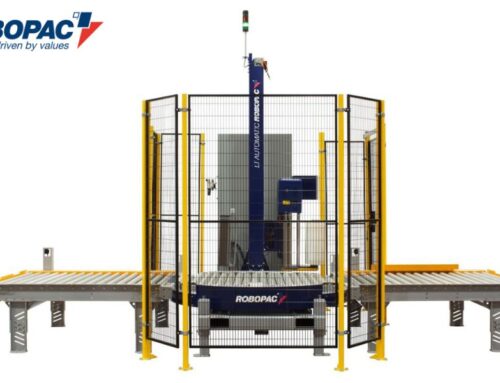
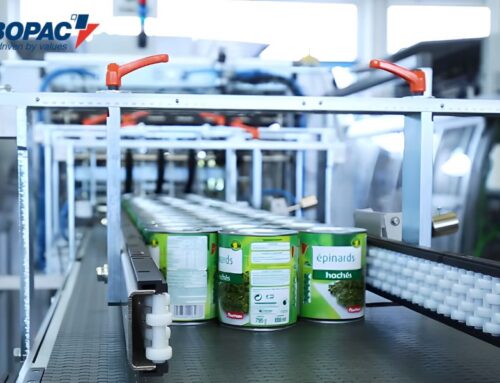
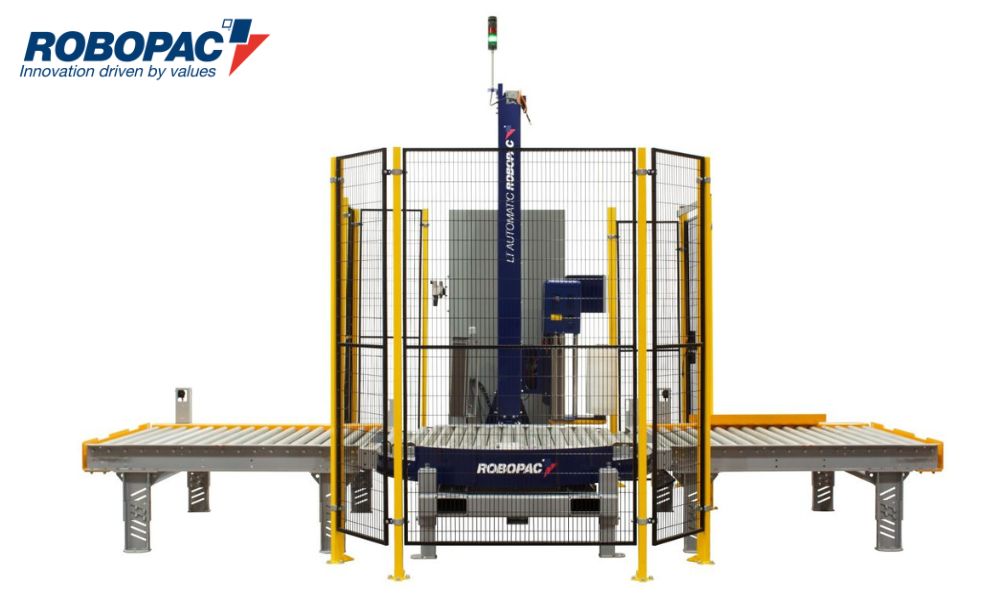
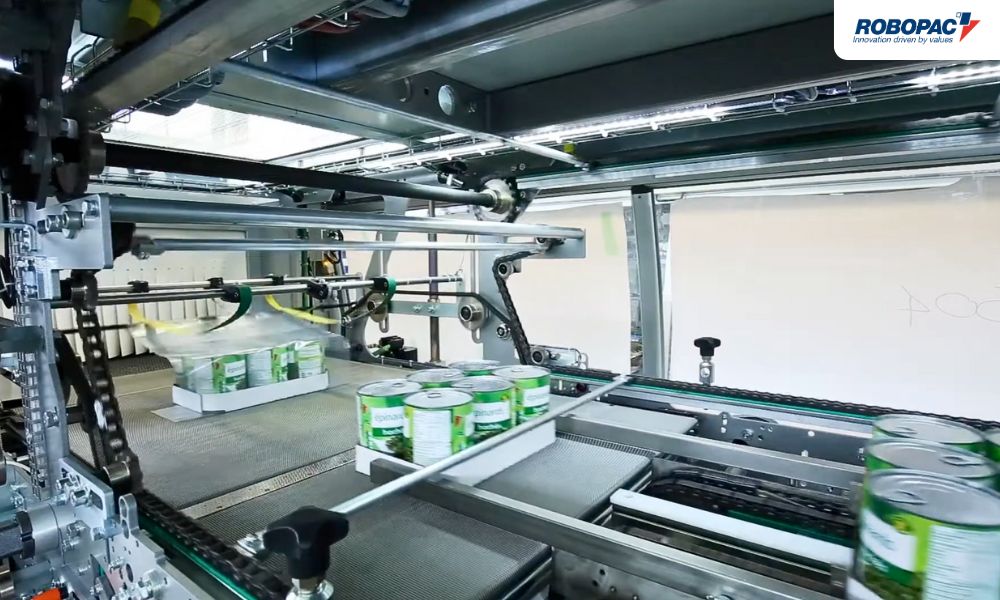
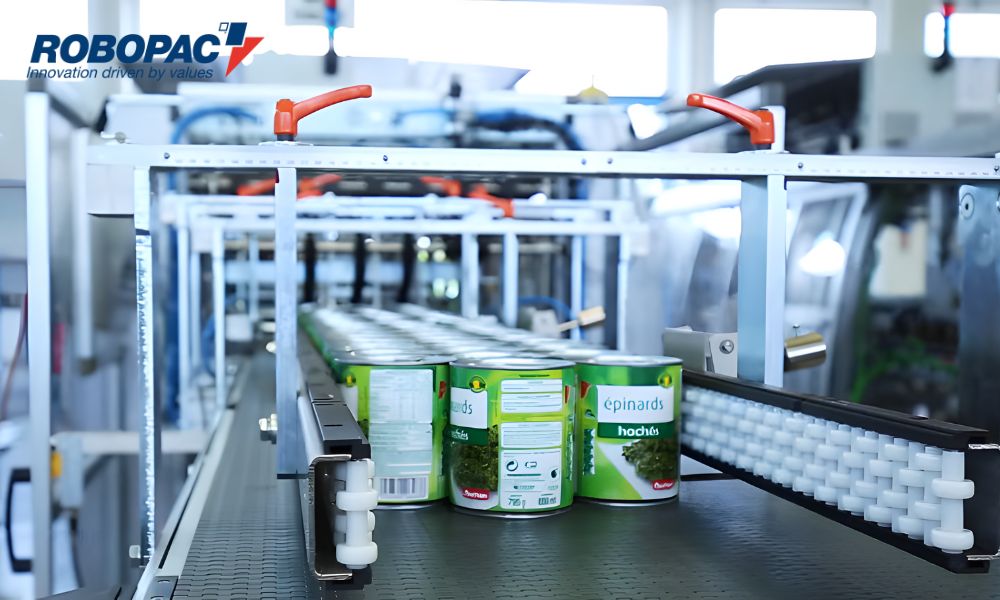
Robotic palletizing and packing bring consistent cycle times and repeatable handling. That consistency helps protect product and packaging, and it prevents the line from slowing down when staffing gets tight. If you run multiple SKUs, robotic food packaging equipment can also support more predictable patterns and transitions than manual stacking and hand-offs.
Standardize Equipment to Simplify Training and Maintenance
Standardization makes predictability easier to maintain. When similar machines share common parts, controls, and procedures, your team troubleshoots faster and organizes spaces better. You also reduce the learning curve for operators and maintenance techs who move between lines.
Reduce Downtime with Condition Monitoring and Planned Maintenance
Even well-run lines fail when components wear unexpectedly. Predictable EOL performance improves when you detect issues early and fix them during planned downtime instead of reacting to a breakdown mid-shift.
Add Predictive Maintenance with IoT Data Signals
Sensors and connected monitoring can flag early signs of failure, such as abnormal vibration, motor load changes, or inconsistent cycle timing. That data gives maintenance teams time to schedule repairs around production needs and avoid sudden stoppages that cascade through case packing, sealing, and palletizing.
Tighten Preventive Maintenance Around Hygiene and Uptime
Food and beverage plants already live with strict sanitation requirements. When preventive maintenance follows a reliable schedule and documentation is consistent, you reduce both compliance risk and the “mystery failures” that appear after rushed fixes.
Make Changeovers Faster So Schedules Stay Realistic
If you lose an hour every time you switch formats, you lose time and predictability. Faster, simpler changeovers keep the line aligned with your production plan and reduce the urge to “push through” mistakes.
Prioritize Tool-Less and Quick-Release Adjustments
Toolless changeovers, quick-release parts, and clear labels for settings reduce variability between operators. When the changeover process is repeatable, your team can hit planned windows more consistently and restart with fewer false starts.
Align Quality Checks with Packaging Flow
Quality checks protect the brand, but they can also create bottlenecks if they happen in the wrong place or require frequent stops. When you integrate checks into the flow, you catch issues without repeatedly interrupting downstream equipment.
A Practical Next Step: Audit Your Biggest Sources of Variation
As you can see, there are many ways to make your end-of-line process more predictable. Start with a simple audit: where does the line slow down, stop, or rework most often? Once you identify those hotspots, you can prioritize upgrades in the areas that deliver the biggest stability gains. Robopac USA supports food manufacturers with end-of-line packaging solutions designed to improve throughput and reduce chaos at the end of the line.