Warehouse bottlenecks create a ripple effect across the entire operation. When pallets back up at the end of the line, workers lose time, shipments slow down, and labor costs rise. Stretch wrapping helps prevent these delays by securing loads quickly and moving products toward staging, storage, or outbound shipping. Keep reading to understand the vital role of stretch wrappers in reducing warehouse bottlenecks.
Why Bottlenecks Form Around Pallet Wrapping
Distribution centers handle loads that are far less uniform than those in many manufacturing environments. A single pallet may include mixed case sizes, varying weights, and fragile items stacked together, which makes consistent load containment harder to achieve. Workers may also apply partial wraps during picking or transport just to keep loads stable as they move across the warehouse. A slow wrapping process, poor placement, and mismatched loads build traffic and create delays at key points in the operation.
Stretch Wrappers Keep Product Moving
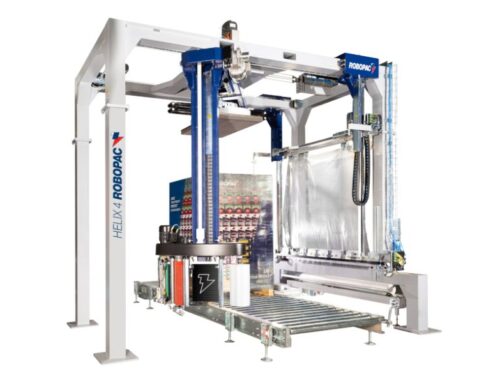
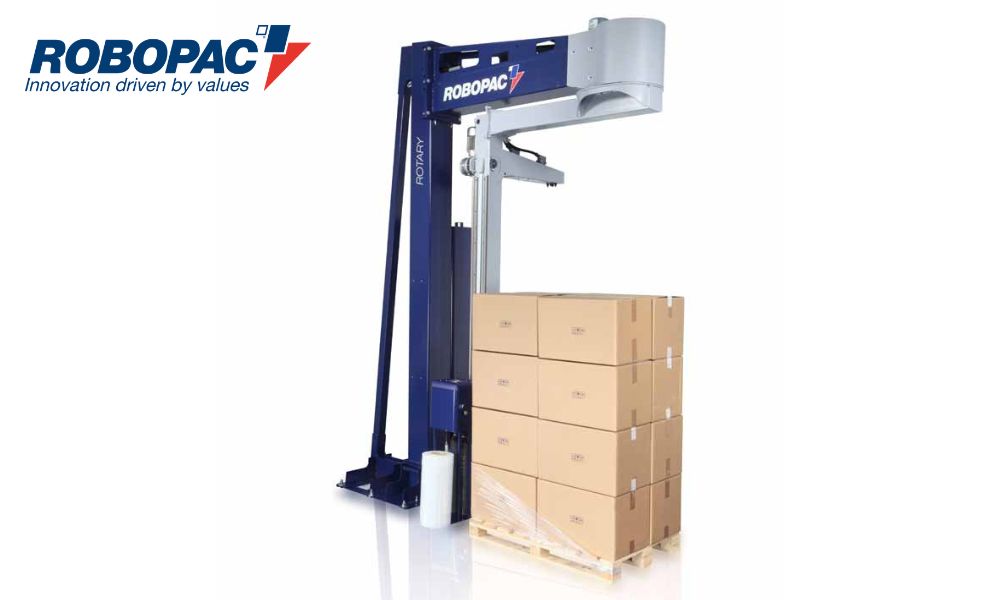
Stretch wrappers reduce congestion by turning load containment into a repeatable process instead of a manual chore. A proper stretch wrapping machine helps operators wrap unstable or irregular pallets faster and with more consistency, which reduces rework and keeps outbound flow steady. In higher-throughput settings, features such as automated film cut and clamp can save meaningful time on every load by reducing operator touchpoints and allowing forklift drivers to focus on movement instead of film handling.
The Right Machine Matters
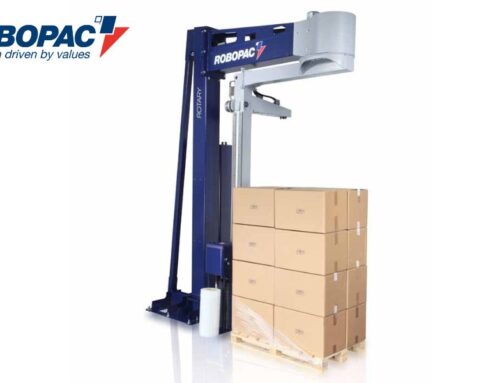
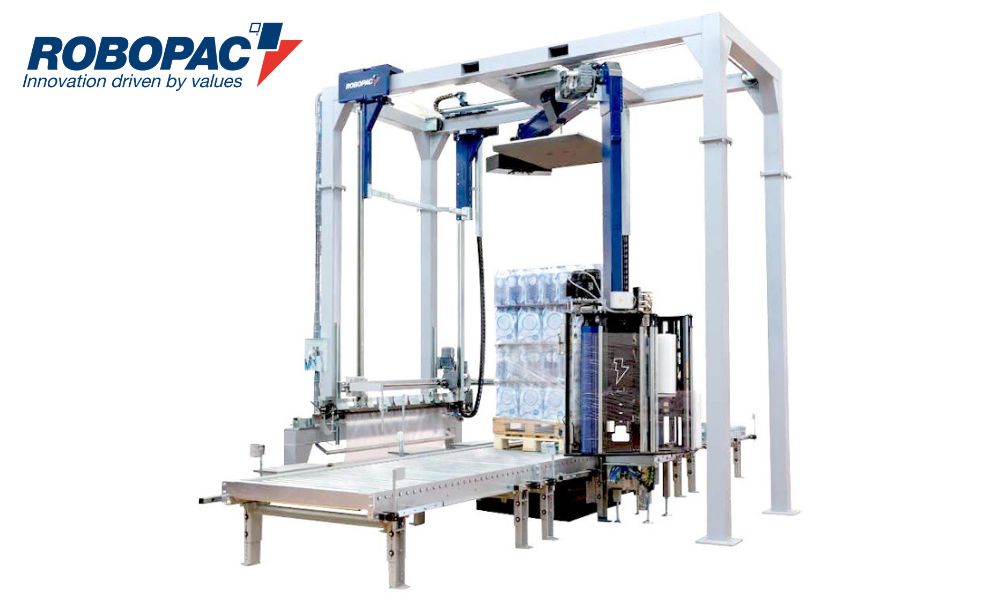
Not every stretch wrapper fits every warehouse environment. Turntable machines may not be the best choice for unstable loads, while overhead wrappers better suit that kind of application. Load height also matters because equipment and film carriage configurations should match the products being wrapped. When operations choose warehouse stretch wrapping equipment based on actual load profiles instead of general assumptions, they can reduce interruptions, improve safety, and maintain a more predictable pace on the floor.
Placement Affects Throughput
Machine placement has a major effect on whether wrapping supports flow or slows it down. Wrappers need to sit where operators can access them easily without creating traffic jams for pallet jacks or forklifts. Worker flow, wrapper placement, and maneuvering space are key planning factors in distribution centers. A well-placed machine supports continuous movement, while a poorly placed one can turn a step into a chokepoint.
Redundancy and Reliability Support Faster Operations
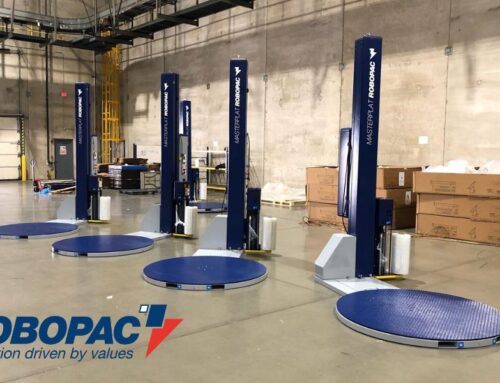
Many warehouses run on tight schedules and cannot absorb downtime without missing targets. That is why distributed wrapping stations and redundant capacity can make a real difference. Instead of forcing every pallet through one location, some facilities benefit from multiple semi-automatic units placed where loads naturally move. Reliable stretch wrapping technology also reduces film breaks and operator intervention, which can interrupt throughput and pull labor away from other priorities.
A Smarter Approach to Warehouse Bottlenecks
Now you should better understand the key role of stretch wrappers in reducing warehouse bottlenecks. The best way to reduce wrapping-related bottlenecks is to align the machine, the layout, and the workload. When stretch wrapping becomes a part of warehouse flow instead of a last-minute stop, facilities can improve safety, protect products, and move more pallets with less friction. That creates a more efficient warehouse and a stronger foundation for on-time shipping.