
Efficient packaging lines are essential in high-volume production, as unplanned downtime can disrupt operations and cause costly delays. Adopting a proactive maintenance plan is key to avoiding such issues, shifting from reactive fixes to preventive measures that prevent problems before they arise. Below, we offer tips for better maintenance schedules in packaging equipment for optimal efficiency and extended longevity.
Packaging Equipment Maintenance Schedules and Their Importance
Packaging equipment maintenance schedules are systematic plans outlining regular inspections, servicing, and repairs to ensure packaging machinery operates at peak performance. These schedules are critical because they help prevent unexpected breakdowns, reduce downtime, and extend the lifespan of your equipment.
By adhering to a well-structured maintenance plan, facilities can avoid costly interruptions, provide consistent packaging quality, and maintain compliance with industry regulations. Effective maintenance schedules also contribute to overall operational efficiency, helping businesses meet production deadlines and optimize long-term cost savings.
Advice for Crafting a Maintenance Schedule for Packaging Equipment
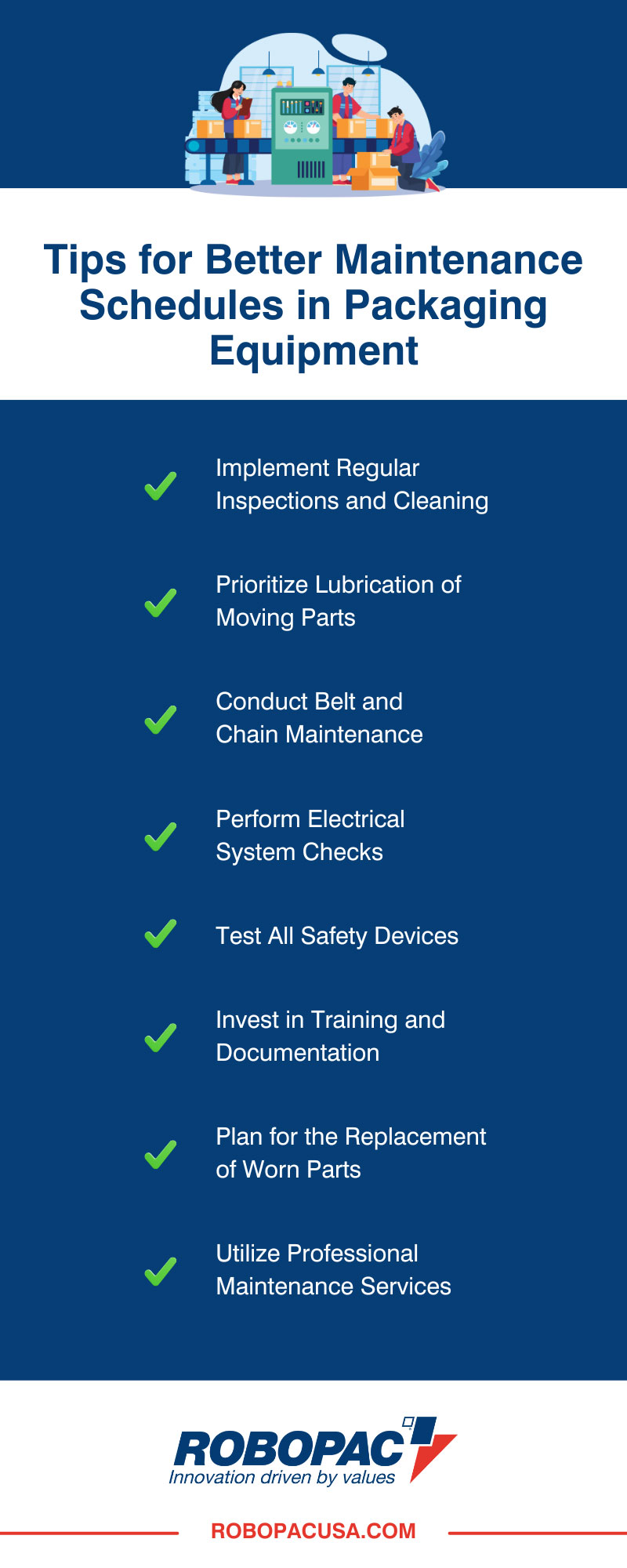
Now that you understand the importance of maintenance in packaging equipment, we can offer you tips on how to better your schedule. From regular inspections to safety tests and professional services, our advice will safeguard the quality and longevity of your packaging equipment.
1. Implement Regular Inspections and Cleaning
Consistent visual inspections and routine cleaning are the foundation of any effective maintenance program. Operators should perform daily checks at the start of each shift to verify the condition of the equipment. These quick inspections can catch obvious issues like loose bolts, frayed wires, or debris buildup that could interfere with operations.
A clean machine is not just about aesthetics; it enables clearer visibility into potential problems and prevents contaminants from interfering with sensitive components. A simple cleaning routine, involving wiping down surfaces and using compressed air to clear out hard-to-reach areas, can prevent these issues.
2. Prioritize Lubrication of Moving Parts
Proper lubrication minimizes friction and wear on the moving parts of your packaging machinery. Without it, components grind against each other, generating heat and leading to premature failure. Your maintenance schedule must clearly identify all key lubrication points, such as bearings, gears, and chains.
Refer to the manufacturer’s manual to determine the correct lubricant type and the application frequency they recommend. Using the wrong lubricant can be just as detrimental as not using any lubricant, as different components have specific requirements based on load, speed, and operating temperature. Schedule regular lubrication tasks—whether daily, weekly, or monthly—and assign them to trained personnel.
3. Conduct Belt and Chain Maintenance
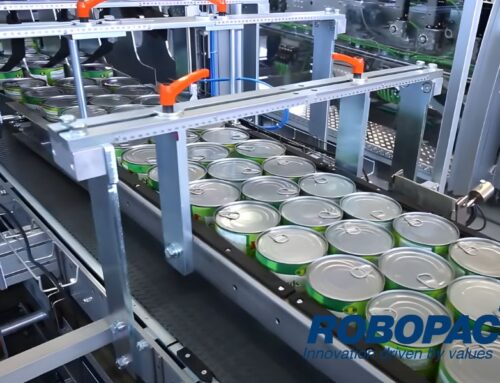
Belts and chains are critical for transmitting power and motion in many types of packaging equipment, from conveyors to stretch wrappers. Over time, they can stretch, wear out, or lose alignment, leading to slippage, jerky movements, or complete system failure. Your maintenance schedule should include regular checks for signs of wear, such as cracks, fraying, or missing teeth on belts, and stretched links or rust on chains.
It is also crucial to check and adjust the tension and alignment. Improper tension—either too loose or too tight—can cause significant strain on motors and bearings, causing more extensive damage.
4. Perform Electrical System Checks
The electrical system is the nerve center of modern packaging equipment. Electrical failures are difficult to diagnose and can bring the entire machine down. Regular inspections of the electrical system include checking for loose wiring, frayed insulation, and corroded connections.
Technicians should also verify the proper grounding of all components and confirm that the machine is receiving the correct voltage. Fluctuations in power can damage sensitive electronic components, so confirming a stable power supply is critical. These checks prevent short circuits, power failures, and potential fire hazards.
5. Test All Safety Devices
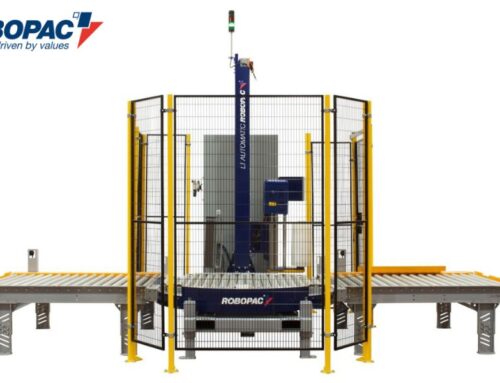
Safety is always the priority in any industrial setting. Packaging equipment comes with numerous safety devices, such as emergency stops (E-stops), safety interlocks on doors and guards, and light curtains. These devices protect operators from harm, but they are only effective when functioning correctly.
Regularly testing these safety features is a crucial part of any maintenance plan. An E-stop that fails to engage in an emergency can have devastating consequences. Schedule weekly or monthly tests to confirm that all safety switches and sensors are operational and that they comply with current safety standards.
6. Invest in Training and Documentation
Your maintenance schedule is only as effective as the people who execute it. Proper training guarantees your staff understands the maintenance procedures and can perform them correctly and safely. Operators should train for daily checks and basic cleaning, while maintenance technicians require more in-depth knowledge of the equipment’s mechanical and electrical systems.
Meticulous documentation of maintenance is also vital. Maintain a log of all maintenance activities that includes dates, tasks, replacement parts, and any observations from the inspections. This record provides a valuable history of the equipment, helping you track trends, predict future maintenance needs, and troubleshoot problems more effectively.
7. Plan for the Replacement of Worn Parts
Even with the best maintenance, some parts of your packaging equipment will inevitably wear out and require replacement. These “wear parts” may include items such as blades, seals, bearings, and belts. A proactive approach involves identifying these parts and including their replacement in your maintenance schedule before they fail.
The manufacturer’s manual is an excellent resource for identifying these components and their expected lifespan. Keeping an inventory of spare parts on-site is also a smart strategy. Having critical components readily available can turn what could be a multi-day shutdown into a quick repair, drastically reducing downtime.
8. Utilize Professional Maintenance Services
While in-house teams can handle most routine maintenance, there are times when it is best to call in the experts. For complex tasks like major overhauls, advanced diagnostics, or software updates, using certified technicians from the equipment manufacturer or a specialized service provider is often the wisest choice. These professionals have in-depth knowledge and special tools to perform the work efficiently and correctly.
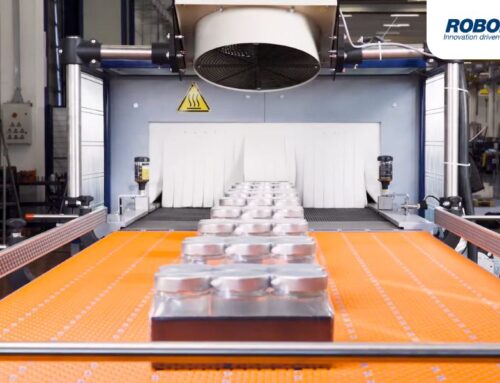
Stretch wrapper manufacturers like Robopac USA, for example, offer service contracts that include regularly scheduled visits from factory-trained technicians. Leveraging these services maintains your equipment to the highest standard, catching issues that an in-house team might miss and helping you maintain warranty compliance.
Robopac USA Helps You Stay On Schedule
A well-planned and diligently executed maintenance schedule is fundamental to the success of any packaging operation. By integrating these tips into your strategy, you can minimize costly downtime, improve safety, and extend the life of your valuable equipment. Proactive maintenance is an ongoing commitment, but the long-term benefits of increased efficiency, reduced operational costs, and improved reliability make it an investment that pays for itself many times over.
If you are looking to enhance the reliability of your packaging line, start by evaluating your current maintenance practices. For expert guidance on maintaining your stretch wrappers, case packers, or palletizers, our team of specialists is here to help you develop a maintenance schedule tailored to your specific needs. Contact us today to learn more about our professional services and how we can help you achieve peak operational efficiency.